HPAI detection in Indonesia triggers One Health response within days
A 6 October HPAI-positive poultry sample in Indonesia triggered a joint animal-human health response by 13 October, powered by newly integrated One Health surveillance platforms.
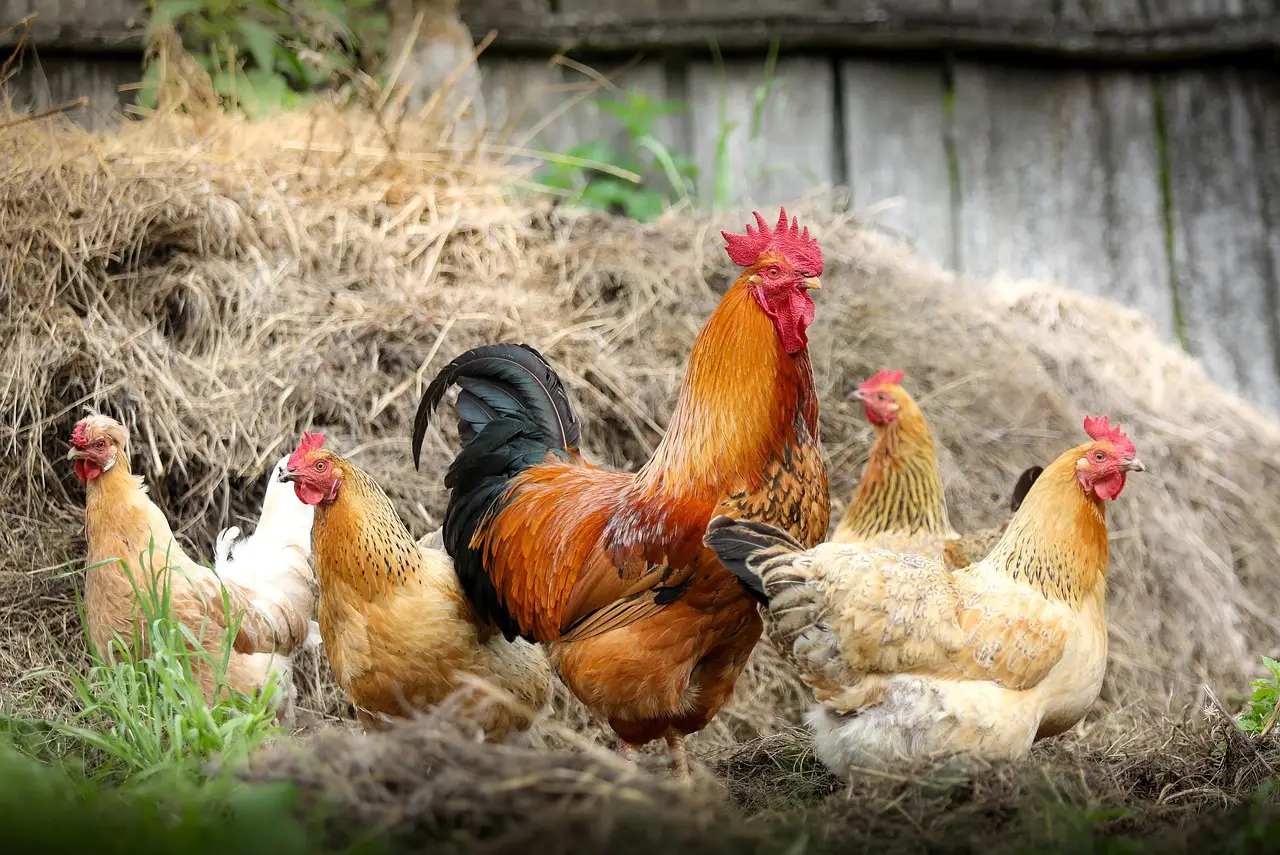
Photo: Lolame / pixabay
A poultry market sample collected on 6 October in Indonesia tested positive for highly pathogenic avian influenza four days later, and by 13 October a joint animal-human health team had disinfected the market and briefed traders. Seven days from detection to coordinated multi-sector response. That timeline is the story.
The district animal health officer collected the sample during active surveillance at a poultry market following a recent avian influenza event. In Indonesia, avian influenza is a priority disease, and confirmed cases trigger rapid joint follow-up by animal and human health authorities. HPAI spreads rapidly among poultry, causes widespread bird deaths, and can cross the species barrier to infect people with potentially severe consequences.
What changed at the reporting level?
With the positive result confirmed, the officer updated the existing case record in iSIKHNAS, Indonesia's national animal health reporting platform run by the Ministry of Agriculture. The confirmed case triggered an alert to the District Agriculture and Livestock Office, which officially verified the case within two days.
Because iSIKHNAS had recently been integrated with SIZE, Indonesia's One Health platform, notification of the verified case moved automatically to the District Health Office the same day. The report required no re-entry. It arrived as a structured record with a case number, diagnosis, report date, location, and reporter details that officers across sectors could use as a shared starting point.
How the systems connect
Indonesia operates three dedicated surveillance systems:
- iSIKHNAS (Sistem Informasi Kesehatan Hewan Nasional) — animal health reporting, Ministry of Agriculture
- SKDR, also known as EWARS (Early Warning, Alert and Response System) — early warning of human outbreaks, Ministry of Health
- SehatSatli — wildlife health information, Ministry of Forestry
The Coordinating Ministry for Human Development and Cultural Affairs (Kemenko PMK) developed SIZE (Sistem Informasi Zoonosis dan Emerging Infectious Diseases) as the shared layer that joins them. Officers across sectors access the same case information, coordinate follow-up, record their response, and push response data back to each source system. Data now moves automatically between SIZE and all three connected systems.
Rabies, leptospirosis, and anthrax move between animals and people the same way avian influenza does. An animal health worker may detect a threat before it appears in the human health system.
What built the connection?
Linking the systems required more than technical integration. The platforms recorded diseases, dates, case status, and locations differently, and inconsistent definitions meant cases could be missed or counted twice.
The STRIDES Activity (Strengthening Infectious Disease Detection Systems), funded by the U.S. government and led by FHI 360 with core partners PATH and Black & Veatch, brought system managers and developers together to establish shared data standards, build a common variable map, and test the connections. PATH worked alongside government counterparts and system developers throughout.
From 30 September to 2 October, human and animal health officers from Sukoharjo and other districts practiced cross-sector response through simulated cases, moving from notification to field response and recording their actions. Ten days later, the real HPAI event in Sukoharjo put that rehearsal to work.
Connected systems are only part of the equation. Timely reporting, clear roles and workflows, and officers who know how to act on an alert remain essential.
What comes next
On 27 October 2026, Indonesia moved the connection between its four One Health data systems from pilot testing to national implementation, opening the coordinated Sukoharjo-style response to more districts. STRIDES will next support routine use of SIZE and iSIKHNAS among district coordinators, field animal health officers, and communities, and will develop visualizations and actionable dashboards that help users identify patterns, interpret surveillance data, and inform follow-up decisions.
Disease threats do not stay within one sector. Indonesia's example shows the information used to detect them no longer has to either.
By Elena Vasquez
Source: Google News: Zoonotic disease
Elena Vasquez
Show full bio
Market editor covering money, funding and market shifts around Small- and large-animal clinical practice at The Vet Scope.
Related articles
Highly Pathogenic Avian Influenza Confirmed in England
USDA APHIS Avian Influenza Page Tracks Ongoing H5N1 Response
WHO launches joint action to reduce zoonotic disease risks in Indonesia
Indonesia Confirms Anthrax in Yogyakarta Goats and Cattle; 99 Animals Treated
WHO Commends Indonesia's One Health Leadership on Zoonoses