Highly Pathogenic Avian Influenza Confirmed in England
Highly pathogenic avian influenza has been confirmed in England, Farmers Guide reports, triggering the statutory disease-control response for poultry keepers and vets.
Updated
Photo: Pexels / pixabay
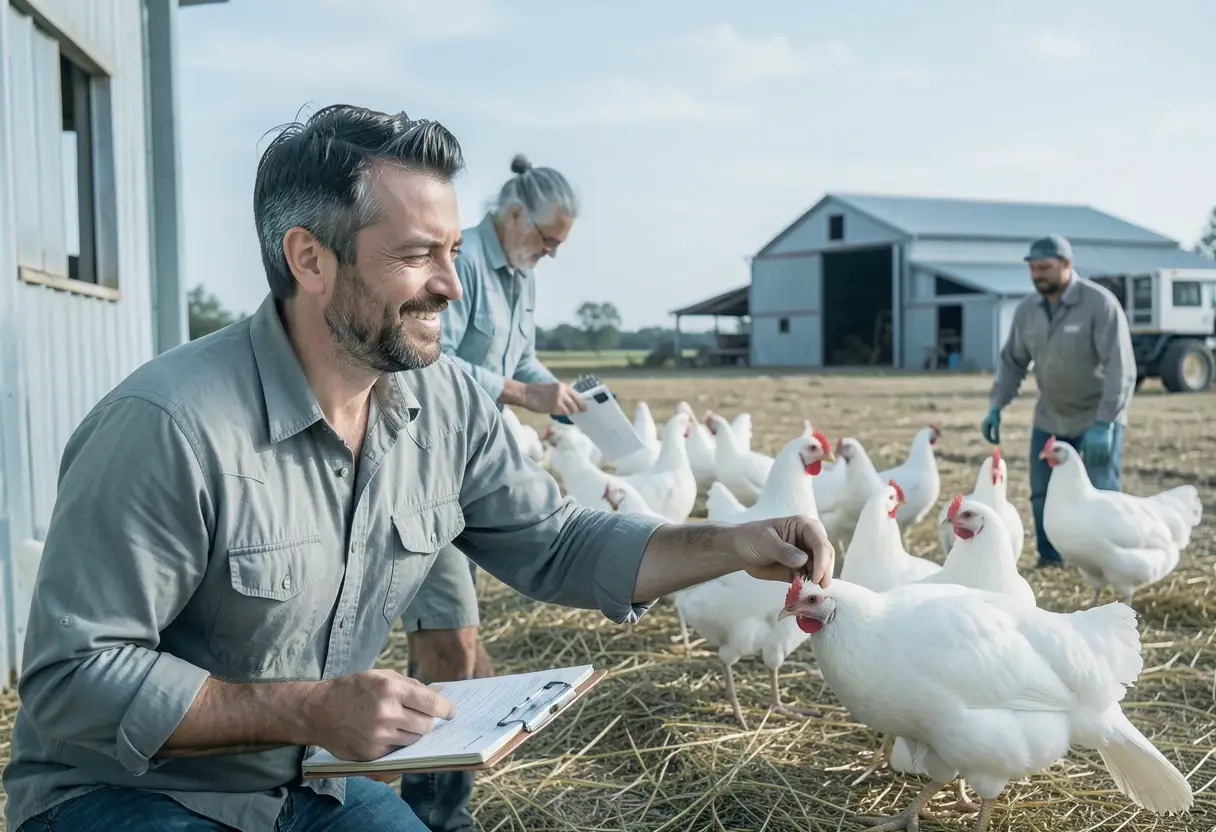
Highly pathogenic avian influenza has been confirmed in England, according to a report from Farmers Guide. The confirmation renews pressure on poultry keepers, veterinary surgeons and animal-health officials across the country to tighten biosecurity without delay.
The source report confirms the presence of the virus but does not specify the strain, the affected premises, the flock size, or the date of confirmation. For practitioners, the essential fact stands on its own: HPAI is again present in England, and the statutory response framework that follows a confirmed case now applies.
What does a confirmed HPAI case trigger?
A confirmed case of highly pathogenic avian influenza in England normally brings a defined sequence of official measures. That sequence includes restrictions on the affected premises, movement controls on birds and products, and tracing of dangerous contacts. Keepers in surrounding zones may face additional surveillance requirements.
Veterinary surgeons in poultry and mixed practice should expect three immediate practical consequences:
- Heightened suspicion thresholds for sudden mortality or steep drops in egg production in domestic flocks
- Increased client questions about biosecurity, housing and reporting obligations
- Possible official veterinary activity around the affected area, depending on the control zones declared
The official confirmation defines the legal status of the outbreak. Suspicion becomes fact, and the reporting duty under the notifiable-disease rules becomes fully operative for the region involved.
What should practitioners tell clients now?
The single most useful message to clients is also the simplest. Report unusual clinical signs early, and do not wait for mortality to climb before making the call. Signs that warrant immediate reporting include sudden death, respiratory distress, swelling of the head, and a rapid fall in water or feed intake.
Biosecurity advice carries the same weight it always does in an active outbreak period. Keepers should review their routines for feed delivery, visitors, shared equipment and wild-bird contact. Each gap in those routines is a route the virus can take.
Companion-animal practices have a smaller but real role. Keepers of backyard flocks often call their local small-animal clinic first, so front-desk staff should know to route poultry disease queries to the official reporting line rather than attempt routine workup.
Why public-health vigilance matters
Avian influenza is primarily an animal-health and trade issue, but it carries public-health dimensions whenever the virus circulates. The documented risk to the general public remains low, yet the responsible position is factual and calm, not dismissive. Practices advising clients with direct bird contact should reinforce standard hygiene measures: handwashing after handling birds, no contact with sick or dead wild birds, and prompt reporting of die-offs.
Food-safety messaging is straightforward. Properly cooked poultry and pasteurised eggs do not present a transmission concern, and clients will ask.
The commercial stakes
For poultry businesses, a confirmed HPAI case in England carries costs that arrive on several fronts at once. Restricted movements interrupt supply chains. Culling, if ordered on affected premises, removes laying or meat capacity in a single stroke. Export certification can stall as trading partners react to the confirmation.
The commercial impact rarely stays inside the farm gate. Regional restrictions, consumer reaction and market access all move when the official status changes, and each day of uncertainty carries a price.
What comes next
The report from Farmers Guide confirms the case. The details that practitioners and industry will act on — strain identification, location, zone declarations and any national housing measures — will come from the Department for Environment, Food and Rural Affairs as its investigation proceeds. Practices serving poultry clients should watch for those official announcements in the coming days and adjust their client guidance as the control measures take shape.
Source: Google News: Livestock health
Elena Vasquez
Show full bio
Market editor covering money, funding and market shifts around Small- and large-animal clinical practice at The Vet Scope.
Related articles
UK Confirms First Bird Flu Outbreak of the Season
USDA APHIS Avian Influenza Page Tracks Ongoing H5N1 Response
H5N5 Avian Influenza Confirmed on Isle of Lewis, Scotland
Case-Control Study Identifies Biosecurity Gaps Behind HPAI Outbreaks in Lower Saxony
EU clears €73 million to combat avian influenza, swine fever