USDA confirms Indiana’s first HPAI H5N1 detection in dairy cattle
USDA confirmed HPAI H5N1 genotype B3.13 in Indiana’s first infected dairy herd through routine milk testing, while APHIS recommended enhanced biosecurity for all farms.
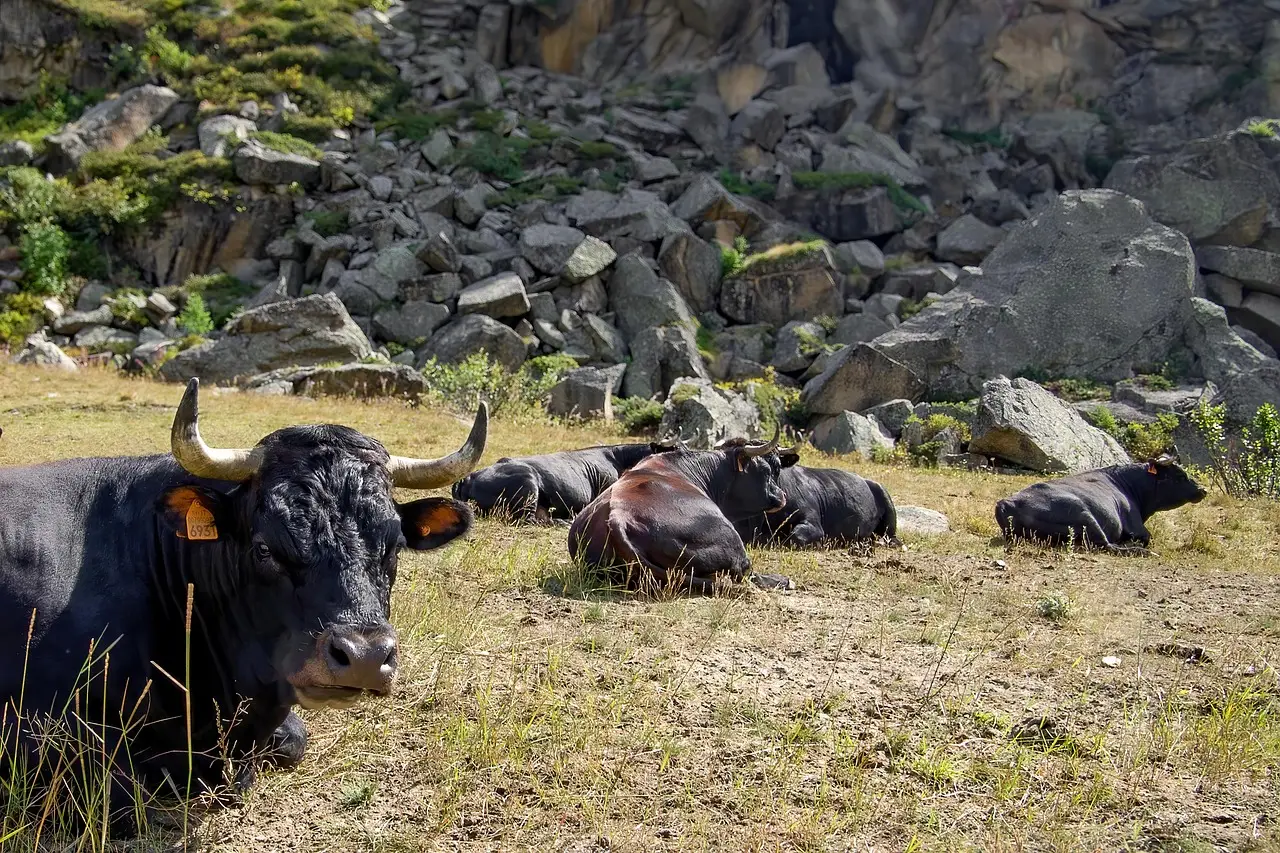
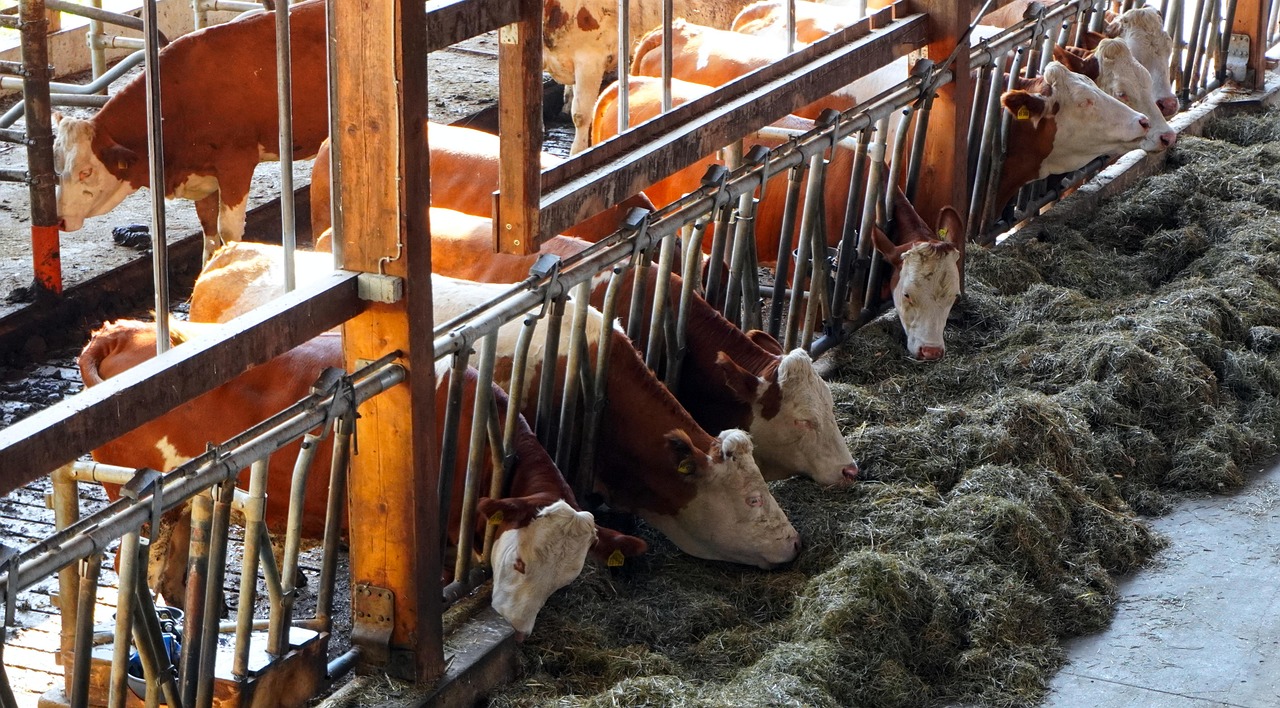
Photo: matthiasboeckel / pixabay
By Grace Kim
On Nov. 2, USDA confirmed highly pathogenic avian influenza (HPAI), H5N1 genotype B3.13, in an Indiana dairy cattle herd, the state’s first reported HPAI infection in cattle. The U.S. Department of Agriculture’s Animal and Plant Health Inspection Service National Veterinary Services Laboratories used PCR, or polymerase chain reaction, to identify the virus.
The finding came through routine testing under the National Milk Testing Strategy rather than pre-movement surveillance. That distinction matters on farms: the trigger was routine testing, not a pre-movement check of the cattle.
How broad is the cattle outbreak?
Dairy cattle in a total of 21 states have been infected since the outbreak began in March 2024. APHIS has also seen cases this year in previously unaffected states. So the outbreak has continued into new states.
APHIS said: “This detection does not change USDA’s HPAI eradication strategy.” The agency continues to treat biosecurity as the key measure for reducing disease introduction and spread between premises.
What are the next diagnostic steps?
APHIS is working closely with the Indiana State Board of Animal Health on additional on-farm investigations, diagnostic testing, and epidemiological data collection. The work has three stated components:
- On-farm investigations.
- Diagnostic testing.
- Epidemiological data collection.
The stated goal is to better understand the detection and prevent further disease spread.
What changes at the dairy farm?
APHIS recommends enhanced biosecurity for all dairy farms. Its two immediate reporting instructions are equally direct:
- Report any livestock with clinical signs immediately to the state veterinarian.
- Report any unusual sick or dead wildlife immediately to the state veterinarian.
The detection does not relax those recommendations. APHIS continues to advise enhanced biosecurity and prompt reporting across the dairy sector, including herds without a known infection.
What does this mean for companion animals?
The USDA APHIS statement addresses dairy cattle and gives no separate guidance for companion animals. It identifies no companion-animal HPAI detection in connection with the Indiana dairy herd.
Does the finding affect commercial milk?
USDA said the detection does not pose a risk to consumer health or affect the safety of the commercial milk supply. The U.S. Food and Drug Administration said it “is confident that pasteurization is effective at inactivating HPAI virus, and that the commercial, pasteurized milk supply is safe.”
Dairies are required to send only milk from healthy animals into processing for human consumption. Milk from impacted animals is being diverted from the commercial milk tank or destroyed so it does not enter the human food supply.
The detection therefore matters most for cattle surveillance and farm biosecurity. It does not change FDA’s assessment of commercial milk safety, which rests on pasteurization, the healthy-animal processing requirement, and diversion or destruction of milk from impacted animals.
What is the risk to people?
According to the CDC, HPAI viruses circulating in birds and U.S. dairy cattle pose a low risk to the general public in the United States. People with job-related or recreational exposure to infected birds or mammals face a higher risk of infection and should follow appropriate CDC precautions.
Those findings separate two questions: safety of pasteurized milk for consumers and infection risk for exposed workers. The low general-public risk does not mean no risk for exposed workers. People whose jobs or recreation bring them into contact with infected birds or mammals remain the higher-risk group.
What should the industry watch?
APHIS and the Indiana State Board of Animal Health are conducting additional on-farm investigations, diagnostic testing, and epidemiological data collection. The immediate guidance remains unchanged: APHIS recommends enhanced biosecurity for all dairy farms and says producers should immediately report livestock with clinical signs or unusual sick or dead wildlife.
The next phase centers on understanding the detection and preventing further spread, while those farm-level controls remain in force.
Source: Google News: Livestock health
Grace Kim
Show full bio
Staff writer covering regulation, policy and their impact on Small- and large-animal clinical practice at The Vet Scope.