U.S. Veterinary Shortage Threatens Food-Animal Herds and Supply
A 90% loss of U.S. food-animal veterinarians and another 15% contraction in 2023 leave some counties with one vet for 1,000 farms, straining herd care and emergency response.
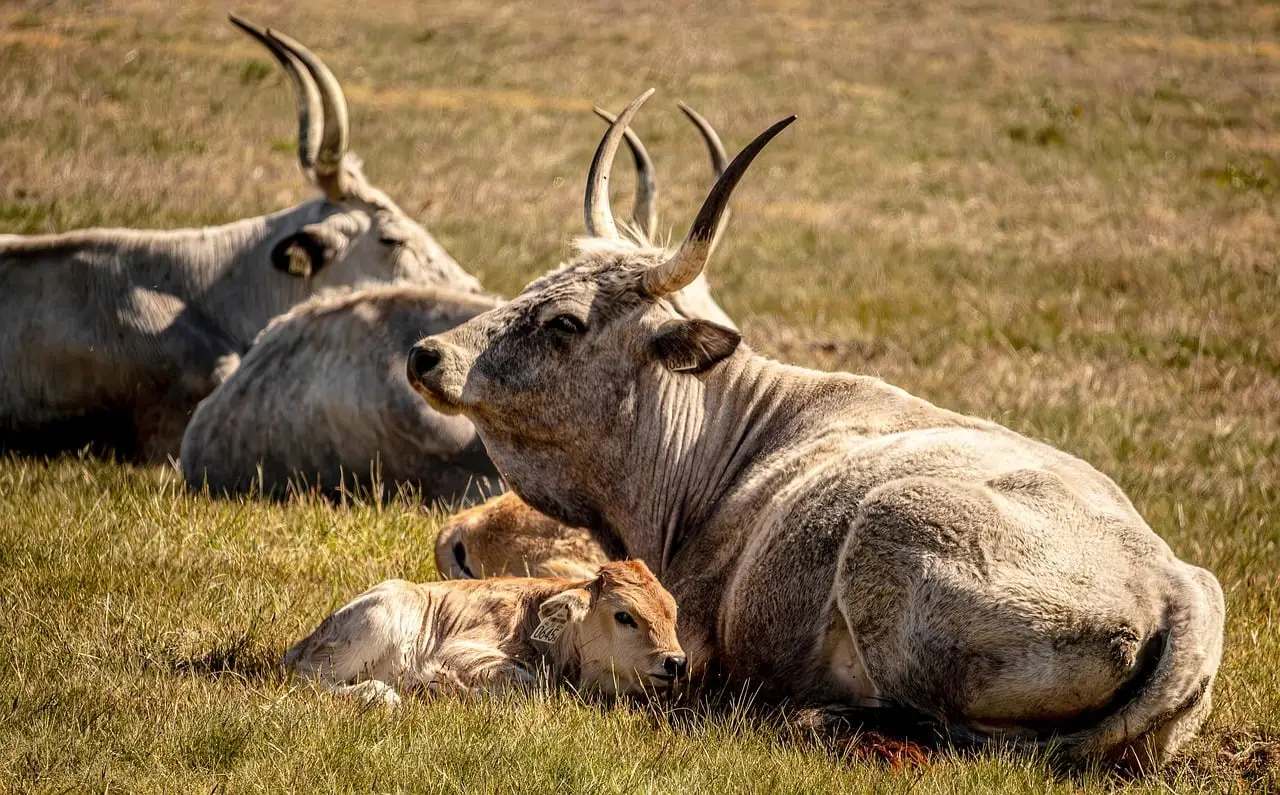
Photo: terbe_rezso / pixabay
The United States has lost 90% of its food-animal veterinarians since the end of World War II, according to a 2023 Johns Hopkins report cited in KCRG’s Aging Untold report.
The federal government has designated veterinary shortage areas in 46 of 50 states, where too few practitioners cover large herds and emergency obligations.
What does the shortage look like at the practice level?
In eastern Kansas, Dr. Rachel Miner, a mixed-animal veterinarian, said a 60-mile drive to a farm call is not unusual; she treats household pets and herds of 1,500 cattle.
“We’re not only taking care of the animal, but we’re providing for the industry. And the industry that is, supplies us, beef, pork, chicken, all those things,” Dr. Miner said.
One veterinarian in a two-county area of New Mexico is responsible for 40,000 cattle, according to the KCRG report.
Full-time veterinary coverage in Pike County, Illinois, fell from five veterinarians to one serving 1,000 farms. The Illinois Department of Agriculture reports that cattle have died because veterinary services did not arrive in time.
Why are large-animal clinicians leaving rural practice?
Veterinary school can cost hundreds of thousands of dollars, while rural food-animal salaries often trail small-animal salaries in cities. Long hours, extensive travel, and the physical and mental demands of large-herd work compound the financial gap.
“It can be exhausting, especially in those shortage areas, because you don’t have another veterinarian beside yourself,” Bryant Karlin, a student at Kansas State University’s veterinary college, said.
The report identifies loan repayment and localized debt relief as responses to those combined pressures, with federal and state programs offering different retention terms.
What changes for food-animal and companion-animal practices?
Food-animal practices need veterinarians to monitor herds, vaccinate against illness, and respond to outbreaks. When those services are unavailable, preventive work slips, infectious disease gains time to spread, and herds face delayed treatment.
For companion-animal practices, the report offers no national shortage count and documents no companion-animal capacity loss. It identifies higher small-animal pay in cities as one reason food-animal clinicians leave rural areas, while Dr. Miner’s mixed practice shows how one veterinarian carries both household-pet and herd responsibilities.
The source identifies no drug or vaccine product, so there is no FDA CVM, EMA, or USDA approval decision to report; it frames access to veterinary services, not a new regulatory authorization, as the problem.
What does the shortage mean for public health and food supply?
The 2022 bird flu outbreak shows the scale at stake: millions of chickens were culled to limit spread, and egg prices rose 96% in one year. KCRG was explicit that the veterinarian shortage did not cause the outbreak; experts cited in the report instead called robust veterinary care essential to prevention and containment.
“It’s absolutely critical,” Brad White, director of the Beef Cattle Institute at Kansas State University’s College of Veterinary Medicine, said. He said veterinary care protects livestock health and the people who depend on animal products.
Do loan incentives change retention?
The federal Veterinary Medicine Loan Repayment Program offers up to $25,000 to veterinarians who work in a designated shortage area for at least three years. Fewer than half of applicants receive the award each year, which limits the program’s reach.
Kansas State University has created its own incentive, forgiving 25% of a graduate’s loan for each year of rural Kansas practice, up to four years.
White reported that 93% of participants completed the four-year obligation. “More importantly, 15 years going, 83% of them are in rural practice in Kansas today. So they’re staying,” he said.
Emma McClure, who grew up in a rural area, said the program offers a path to serve her community. “I have witnessed a lot of people, especially when they have emergencies, have to drive an hour or more to get the help that they need,” she said.
“That’s something that’s definitely made an impact on my decision,” McClure said.
Those gains have not reversed the broader contraction: the American Veterinary Medical Association reported that the number of mixed- and food-animal veterinarians fell another 15% in 2023.
Kansas State’s model shows retention can improve when debt relief ties service to a specific geography, but the source supports no claim that one program has closed the national gap. The next measure of progress will be whether federal repayment, state incentives, and sustained investment can add capacity faster than the mixed- and food-animal workforce continues to contract.
Source: Google News: Veterinary medicine
Nathan Brooks
Show full bio
Senior reporter covering companies, deals and strategy in Small- and large-animal clinical practice at The Vet Scope.
Related articles
Too Few Vets, Too Many Animals: The Farm Veterinarian Shortage
LSU program targets rural food animal veterinary shortage
Rural Veterinarian Shortage Strains Farm Animal Care in Countryside Communities
Northern Plains Livestock Producers Face Veterinary Shortage
Purdue Veterinary College Expands, Targeting Rural Care Gaps