Washington Confirms H5N1 in Benton County Dairy Herd
WSDA confirmed H5N1 in a Benton County, Washington dairy herd via routine surveillance, before cows showed signs. The herd is quarantined; recovery typically takes 4-6 weeks.
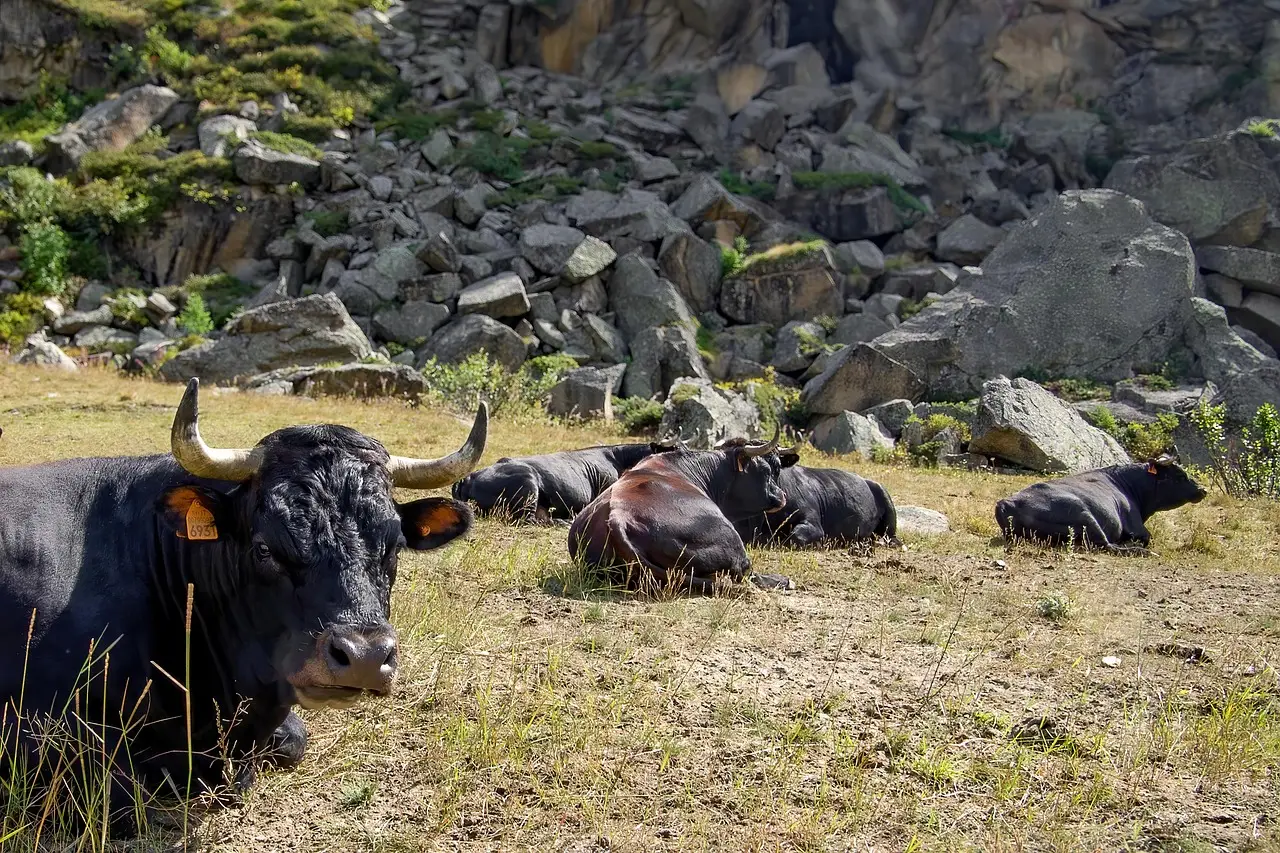
Photo: planet_fox / pixabay
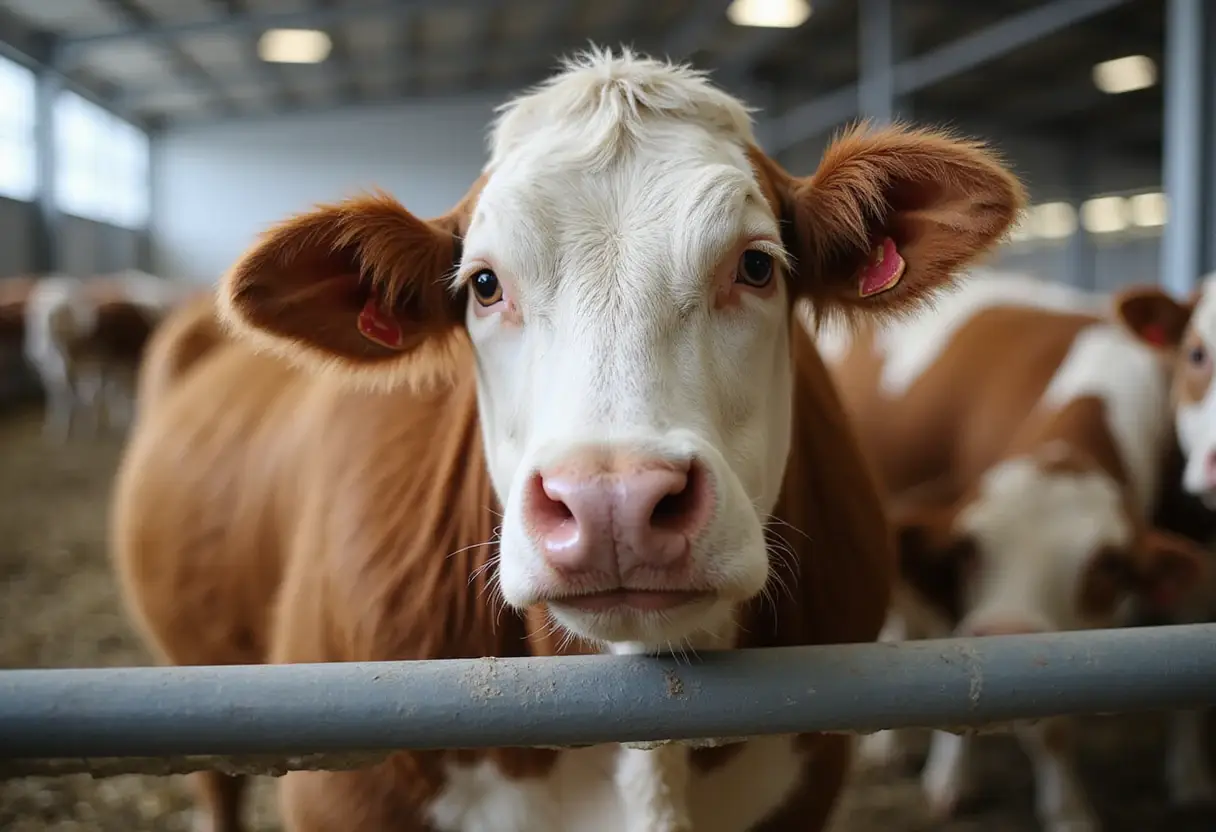
Washington has confirmed its next detection of highly pathogenic avian influenza (HPAI) H5N1 in a dairy herd — this time in Benton County — with the Washington Animal Disease Diagnostic Laboratory (WADDL) finding the virus through routine surveillance and USDA National Veterinary Services Laboratories (NVSL) confirming the result.
The detection landed before cows showed clinical signs. Washington State Veterinarian Amber Itle, VMD, MS, said the surveillance-driven catch gives the state a chance to act early.
"This detection was through routine surveillance enabling us to detect the virus before cows got sick," Itle said. "We hope this will help us to implement measures on farm to prevent transmission within or between other dairy or poultry facilities."
The Benton County herd is under quarantine with strict biosecurity measures in place, and veterinarians are treating affected animals. Most cattle infected with HPAI recover with supportive care, with full herd recovery typically running 4 to 6 weeks.
Itle acknowledged the geographic spread but credited the industry's response: "Seeing the virus move to another county is disappointing but our dairy farmers are working hard to implement their biosecurity plans, share lessons learned and help each other get through this."
What should dairy veterinarians watch for?
WSDA asks farmers statewide to report clinical signs to their veterinarian immediately:
- Changes in milk appearance (thicker, often yellowish to brown)
- Decreased milk production
- Decline in feed intake
- Fever
- Respiratory symptoms
- Changes in manure
- Steep drop in rumination and rumen motility
Producers who see these signs should isolate affected animals and contact their veterinarian and WSDA at 360-902-1878 or by email.
How does the virus move between farms?
HPAI spreads between dairy cattle through infected animals and contaminated milk, equipment, vehicles, clothing, footwear and other materials or people moving between farms. Wild birds carry the virus too, but WSDA states they are not considered the primary source of spread affecting dairy herds.
WSDA's recommended biosecurity measures include:
- Limit lactating animal movement between farms unless necessary
- Do not share equipment, vehicles or workers
- Clean and disinfect footwear before entering livestock areas
- Limit visitors and require clean clothing and footwear
- Isolate new animals for 30 days before herd introduction
- Separate sick or suspect cattle from healthy cattle
- Practice good milking hygiene and keep milk from sick or suspect cattle out of the bulk tank
- Restrict access to open water used by wild waterfowl
- Employ wildlife, wild bird, rodent and vector control
What are the poultry and public-health implications?
Poultry remain highly susceptible. Other states have reported H5N1 infections in commercial and backyard flocks near affected dairy farms, so Washington poultry owners — including backyard keepers — should stay vigilant and practice strong biosecurity.
For consumers, pasteurization inactivates HPAI virus along with other pathogens, keeping grocery-store milk and dairy products safe; WSDA expects no milk supply shortages. Infected cows can shed virus in their milk, making raw milk, raw cheese and other unpasteurized dairy products unsafe, particularly from infected or untested farms. Owners should not allow pets to consume raw milk, raw dairy, raw meat or dead birds.
The CDC and the Washington State Department of Health currently rate the public risk from avian influenza as low. Workers with contact with infected birds, cattle or other potentially infected animals face higher risk and should use PPE: gloves, masks, eye protection and fluid-resistant coveralls.
As Itle put it, the virus "isn't new for the country, but it is new for Washington" — and the state's veterinarians and dairy farmers, she said, continue working together daily to keep cows healthy, keep workers safe and keep operating despite the uncertainty H5N1 brings.
Source: Google News: Livestock health
Amara Osei
Show full bio
Correspondent covering companies, deals and strategy in Small- and large-animal clinical practice at The Vet Scope.