Two Standards, One Profession: The Antibiotic Accountability Gap
Since 2023 most livestock antibiotics need a prescription, yet small animal vets face no auditing. Dr. Patty Khuly asks why companion animal prescribing carries no accountability, and what should change.
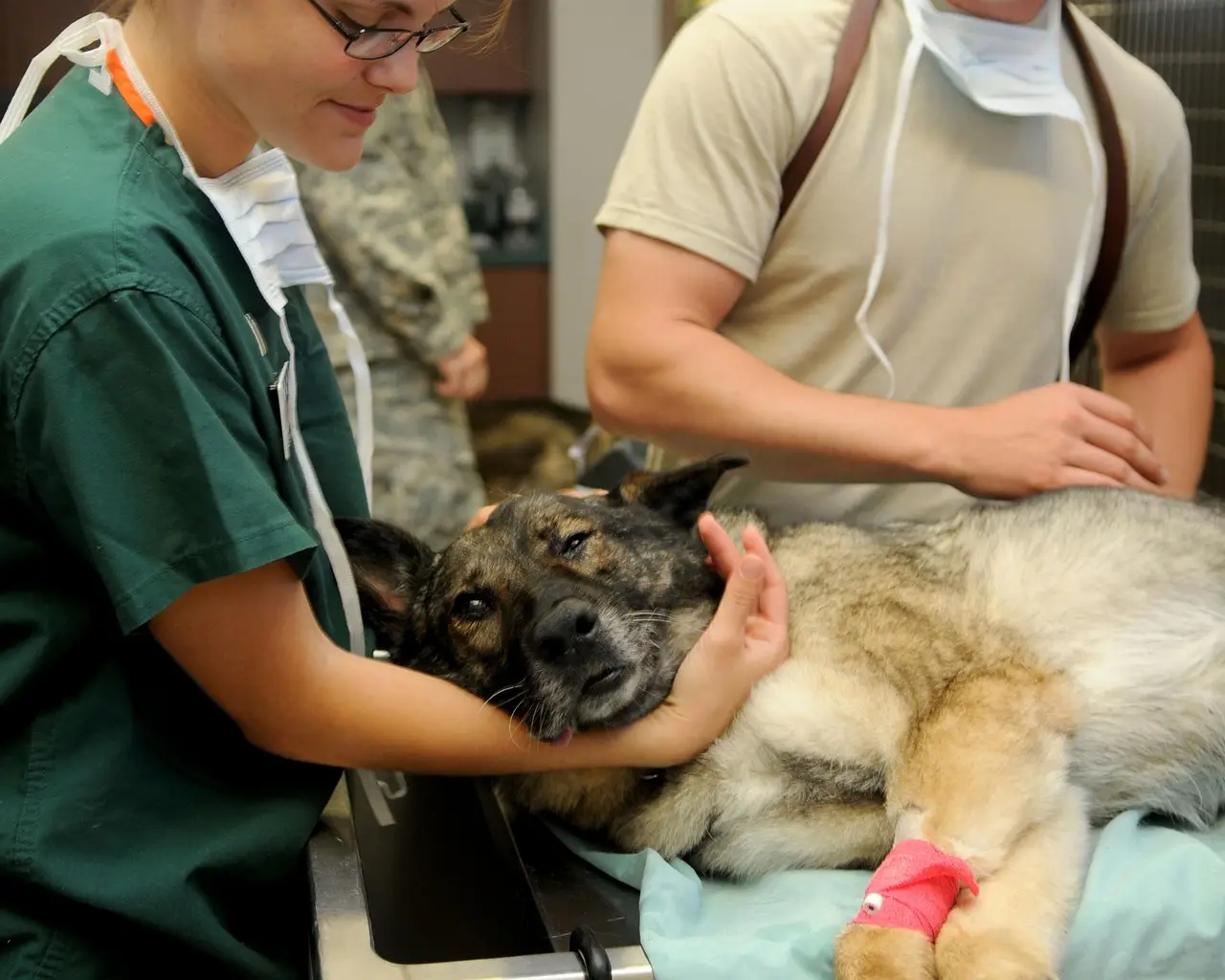
Photo: Alexas_Fotos / pixabay
Since 2023, most over-the-counter medically important antibiotics used in livestock — including many injectables — require a prescription, while companion animal veterinarians face no comparable accountability for the antibiotics they prescribe daily. Patty Khuly, VMD, MBA, a small animal practitioner who now also runs a commercial goat dairy and beef operation in Virginia, draws that contrast in a first-person analysis for Veterinary Practice News, and her conclusion is blunt: small animal medicine prescribes with abandon because nothing forces it to stop.
What does food animal accountability look like?
Khuly traces the regulatory arc that shaped an entire generation of food animal practitioners:
- 1994: Congress passed AMDUCA, the Animal Medicinal Use Clarification Act, legalizing certain extra-label drug uses in food animals while making veterinarians responsible for preventing illegal residues through withdrawal intervals and treatment records.
- 1997: The FDA prohibited extra-label use of fluoroquinolones in food animals, citing the human health threat from resistant bacteria.
- 2017: Medically important antibiotics could no longer be used for growth promotion; administration in feed or water required veterinary oversight under the Veterinary Feed Directive.
- 2023: Most over-the-counter medically important antibiotics became prescription-only.
The consequences are concrete. Food animal vets live with more paperwork, fewer unrestricted drug choices, and serious economic penalties when milk must be discarded, slaughter delayed, or carcasses condemned. Stewardship became part of the business of raising livestock, and a major source of liability. Antimicrobial stewardship is not a separate lecture in food animal medicine; it is baked into everything, from surgery to wound treatment to castrating a kid.
How does small animal practice compare?
The contrast, Khuly writes, is jarring. Diarrhea gets metronidazole. Clean surgical incisions get cephalexin. Cats with urinary signs get Convenia, "just in case." The evidence, she notes, does not support these drugs in the uncomplicated cases practitioners routinely encounter.
She is candid about why it happens. Client cost concerns and expectations probably drive antibiotic selection more than antimicrobial resistance does. She lists the forces behind reflexive prescribing:
- Direct or indirect client pressure
- Fear of treatment failure or poor outcome
- Perceived anti-inflammatory or immunomodulating effects
- Therapeutic habit — "I've always prescribed X because it works"
A recent study on metronidazole use in small animal medicine supports her account. Frey, Hatcher, Snavely and colleagues, publishing in JAVMA (2026;264(5):1-9), found that awareness of stewardship guidelines did not translate into lower prescribing frequency. Newer graduates and academic veterinarians followed guidelines more closely, but the authors concluded that attitudes toward clinical risk and perceived social pressure mattered more than guideline knowledge. Practitioners prescribe it even when they know they should not.
Is anyone checking companion animal records?
No, Khuly argues. Nobody audits small animal antibiotic records, and economic incentives run the other way. She calculates that an extra $50 to $200 on a bill means an additional 18 to 22 percent of income for practitioners trying to make production. Practice owners, she adds, tacitly encourage over-prescription.
She describes a culture-pending UTI case from 15 minutes before writing, where appropriate reluctance to prescribe meant a recheck and a crankier client. Human nature conforms to practice standards and to client assumptions that antibiotics are a universal solution.
What would accountability for companion animal medicine look like?
Khuly is explicit that small animal veterinarians are not bad vets and livestock vets are not inherently more conscientious. Food animal prescribers simply operate inside a system with real consequences. Her question: why has companion animal medicine developed no comparable accountability for inappropriate prescribing, which she calls unethical and, in her reading, legally questionable?
She proposes hard questions for the profession. Should records be interrogated and antibiotic use controlled alongside scheduled drugs? Would small animal practitioners oppose such regulation the way many food animal vets once did? Corporate practice owners, she predicts, certainly would.
Livestock veterinarians adjusted, she notes, and small animal practitioners would too. Her closing standard is plain: One Health should not be a buzzword invoked lightly, but a mantra adopted earnestly, with real-world consequences when it is not.
Khuly sold her small animal practice in Miami and now works as an associate in Miami and a relief veterinarian in Charlottesville, Va., while operating Crossroads Farm in North Garden, Va.
Source: Google News: Veterinary medicine
Elena Vasquez
Show full bio
Market editor covering money, funding and market shifts around Small- and large-animal clinical practice at The Vet Scope.
Related articles
Two Professions, One Drug Cabinet: The Antimicrobial Accountability Gap
EMA Publishes 2025 Veterinary Medicines Annual Report
MUMS Roundtable Targets Wider Animal Drug Access for Minor Uses, Species
FDA CVM Pilot Targets Domestic Animal Drug Manufacturing
FDA Approves New Drugs for Bovine Respiratory Disease and Skin Infections