FDA CVM Pilot Targets Domestic Animal Drug Manufacturing
The FDA's Center for Veterinary Medicine has launched a pilot to expand domestic animal drug manufacturing. DVM360 reported the move, with full scope, funding, and timeline details still forthcoming.
Updated
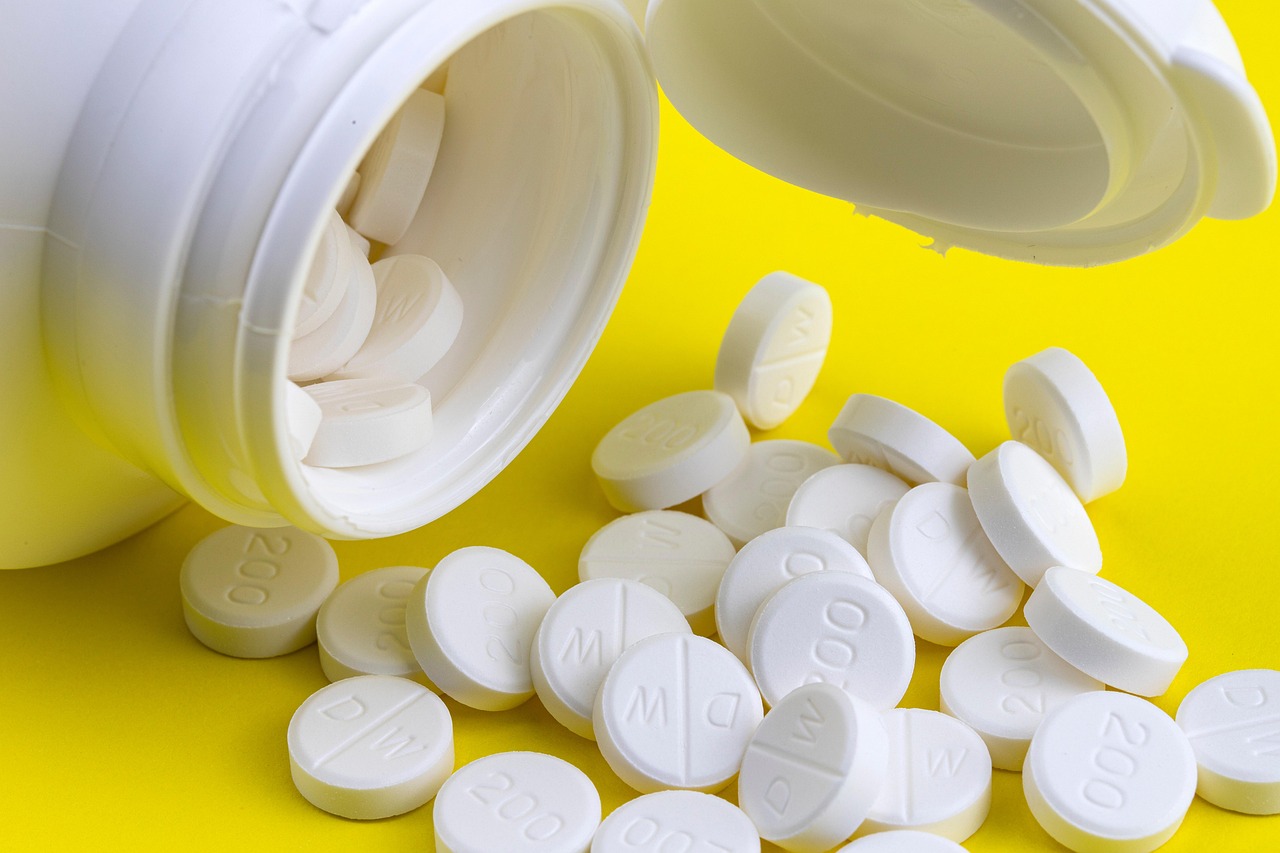
Photo: Smithsonian Institution / Smithsonian · CC0
The FDA has launched a pilot program intended to expand domestic manufacturing of animal drugs, DVM360 reported this week. The initiative originates within the agency's Center for Veterinary Medicine, the division that approves and regulates veterinary pharmaceuticals in the United States.
That is the headline. The federal regulator that signs off on every new animal drug label now wants more of those drugs produced at home. For practitioners, the practical question is what changes at the clinic, on the dairy, or in the feedlot, and how soon.
What does the pilot cover?
The published reporting names animal drugs as the scope. It does not specify whether the pilot targets a single therapeutic class, a manufacturing segment such as active pharmaceutical ingredients, or finished dosage forms. Nor does it identify whether companion-animal products, food-animal products, or both fall within the initial framework.
The Center for Veterinary Medicine has historically relied on inspections, application reviews, and post-market surveillance to oversee production quality. A manufacturing-capacity pilot adds a different lever. It pushes the agency toward shaping where drugs are physically made, not only how they are vetted.
The administration's framing, as described in the source, centers on supply-chain resilience. The COVID-19 era and subsequent shortages of injectable antibiotics, euthanasia solutions, and certain vaccines taught the profession how thin inventories can run when foreign production stalls.
Takeaway: a pilot signals intent.
What does this mean at the exam table?
A practitioner who has substituted a therapeutic alternative because the first-choice drug sat on backorder will recognize the stakes immediately. Domestic capacity does not by itself prevent the next shortage, but it reduces the distance between a disruption and a recovery. It also shortens the regulatory path when a facility switches production lines under agency oversight.
Several implications follow for veterinary practice:
- Drug availability could stabilize for products currently sourced from a small number of overseas plants.
- Procurement officers at corporate and specialty hospitals may see new vendors enter the US market.
- Pricing dynamics could shift if domestic producers face different cost structures than their foreign counterparts.
- Regulatory submission pathways for new US-based facilities may move faster, or at least more predictably, under a defined pilot framework.
- Manufacturing redundancy for critical therapeutics could reduce the time clinicians spend triaging alternatives during stockouts.
The agency has not yet published guidance documents, fee structures, or application windows, so these remain forward-looking signals rather than current certainties.
Takeaway: watch the Federal Register.
Why does the food-animal view matter?
Veterinarians serving cattle, swine, and poultry operations view supply stability through an additional public-health frame. Many medically important antimicrobials and several vaccines used in production medicine flow through limited manufacturing pipelines. A domestic-capacity push could narrow the gap between an outbreak-driven surge in demand and the supply needed to meet it.
Companion-animal practice, by contrast, feels supply disruption most acutely through retail pharmacy channels and the branded therapeutics that anchor dermatology, oncology, and chronic-disease management. A pilot that broadens the manufacturing base could ease pressure on those product lines, though the source offers no product-by-product commitments.
Takeaway: production-animal supply is public-health supply.
What should practitioners watch next?
The DVM360 report names the pilot but does not disclose participating companies, federal funding allocated to the program, or the projected review period. The Center for Veterinary Medicine typically publishes guidance documents through the Federal Register before implementing new manufacturing frameworks, and the docket will be the first place those specifics appear.
Practitioners should expect a comment period, an opportunity for industry stakeholders to shape the final rule, and a phased rollout measured in months rather than weeks. Trade associations such as the Animal Health Institute and the American Veterinary Medical Association typically submit formal comment during these windows, and their filings often telegraph how the final framework will treat the practitioner community.
Takeaway: a pilot is a beginning.
A pilot is a beginning, not a guarantee. What the FDA CVM does with the data from the first cohort of participants will determine whether domestic animal-drug manufacturing becomes a durable shift in the supply picture, or a one-time exercise that fades into the federal register.
Source: Google News: Veterinary drugs
Elena Vasquez
Show full bio
Market editor covering money, funding and market shifts around Small- and large-animal clinical practice at The Vet Scope.
Related articles
US Launches Pilot Program to Boost Domestic Veterinary Drug Production
FDA Opens Pilot to Expand U.S. Animal Drug Manufacturing
NASC Proposes Animal Health Supplement Act for Regulatory Clarity
FDA names Timothy Schell to head Center for Veterinary Medicine
MUMS Roundtable Targets Wider Animal Drug Access for Minor Uses, Species