APVMA weighs higher florfenicol doses for Tasmanian salmon
Australia's veterinary regulator is assessing a proposal to raise florfenicol doses and extend treatment to eastern Tasmanian waters after residues reached wild fish 14 km away.
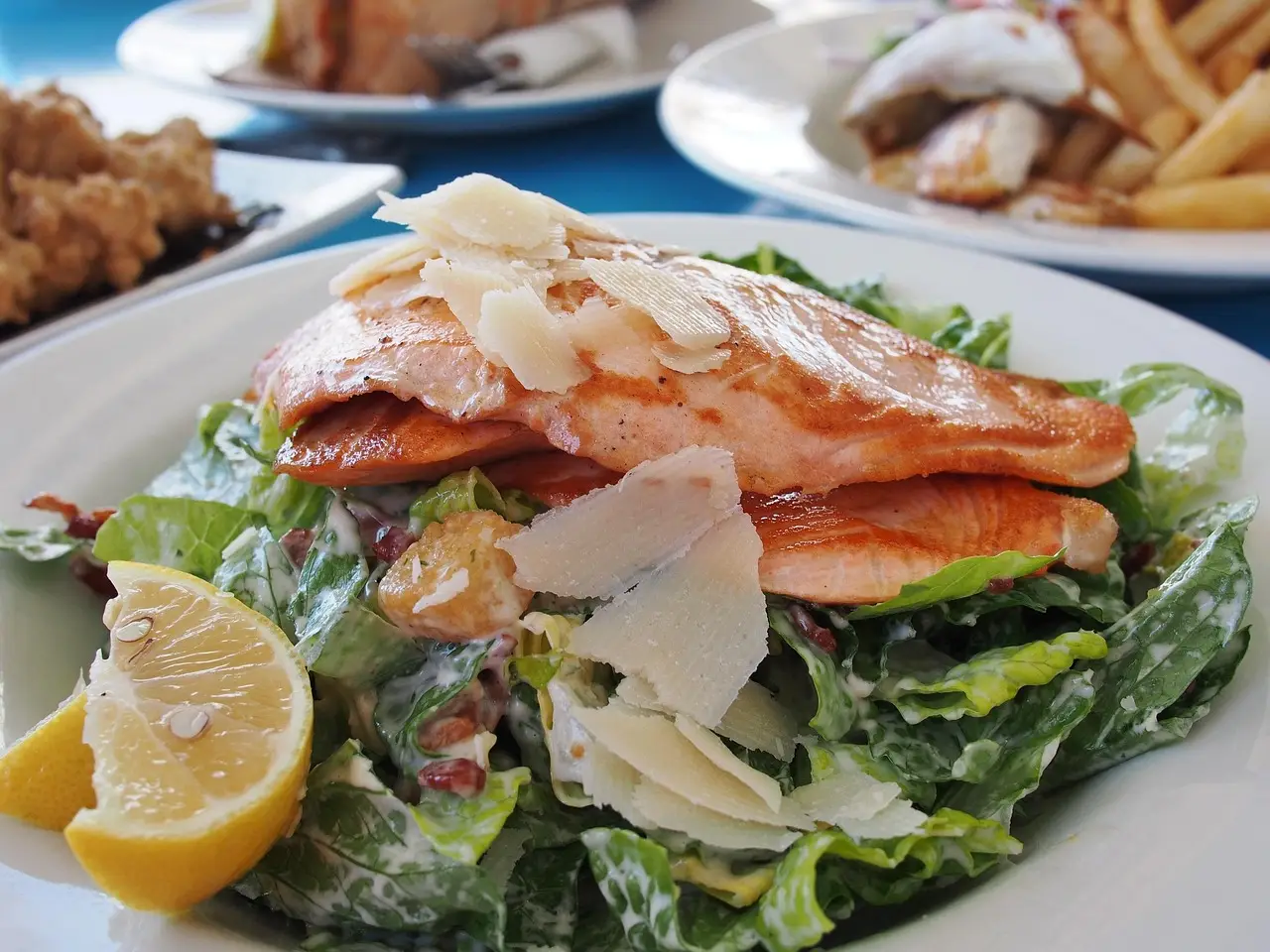
Photo: cattalin / pixabay
By Grace Kim
5.4 tonnes of florfenicol were used on Tasmanian salmon farms last summer, when about 9,000 tonnes of salmon died; residues later appeared in abalone as far as 14 km from treated pens.
Abbey Animal Health, known as Abbey Labs, now wants to raise the dose rate of that antibiotic and move treatment beyond Tasmania’s south-eastern waters into the eastern biosecurity zone. Australia’s veterinary regulator, the Australian Pesticides and Veterinary Medicines Authority (APVMA), is assessing the minor use permit application for use this summer.
The hearing record describes permits, residue detections and stakeholder submissions, not a clinical trial; it reports no sample size or control group. The decision therefore rests on environmental exposure, food safety, antimicrobial resistance and fishery access rather than treatment-outcome data.
What happened to the first emergency permit?
Florfenicol first entered Tasmania’s south-eastern waters in November last year after APVMA approved an emergency permit. The move responded to a bacterial disease that killed 15,000 tonnes of salmon in early 2025 and sent fish parts washing up onto beaches.
In March this year, APVMA revoked the emergency permit because of what it described as an unacceptable risk of residue exposure to non-target species. The agency had detected antibiotic traces in wild fish up to 10 km from the nearest salmon pen where the drug had been used. Florfenicol later turned up in abalone up to 14 km away.
The revoked permit allowed 10 to 20 milligrams per kilogram of fish per day for 10 consecutive days, with no re-treatment permitted.
What is Abbey Labs requesting?
At a Senate estimates hearing earlier this week, APVMA chief executive Scott Hansen said: “There’s a second application, which is a minor use permit ... to increase the dose rates and the treatment regime that’s proposed.”
Hansen said the proposal would move the location from the south-eastern biosecurity zone into the eastern biosecurity zone. APVMA is evaluating environmental impacts, antimicrobial-resistance effects, residues and depletion before deciding whether to authorize it.
Abbey Labs has not disclosed how much it wants to increase the dose rate or treatment duration. APVMA cannot comment on the proposed rates because they remain under assessment.
Salmon Tasmania has separately requested another emergency use permit with the same dose rates and treatment frequency as its revoked permit.
Why do fisheries oppose a higher dose?
Florfenicol use last summer forced the closure of some rock lobster and abalone fisheries amid concern that detections could trigger international export bans.
The Tasmanian Rock Lobster Council, Abalone Council and Commercial Divers Association have warned that another return could bring further closures. In a July newsletter, they said higher doses and longer treatment would increase both the likelihood and extent of environmental exposure, creating risks that cannot currently be quantified, planned for or effectively managed.
Greens Senator Vanessa Bleyer asked APVMA to reject both the Abbey Labs and Salmon Tasmania applications, describing the wider treatment area and higher dosages as shocking. She said antibiotic residues in rock lobster and abalone jeopardize exports and increase antimicrobial-resistance concerns.
What does this mean for seafood safety and exports?
Tasmania’s Health Department reported no cases of adverse human health effects from eating seafood containing florfenicol residues. As a precaution, it advised consumers to avoid seafood caught within 3 km of a treated salmon pen.
Those public-health reports do not settle the separate questions of environmental spread, antimicrobial resistance or market access. Residue detections in commercially caught species create consequences beyond the health of the treated salmon.
What would change on farms under a new permit?
Salmon Tasmania chief executive John Whittington said: “It provides veterinarians with an important treatment option when additional support is required to protect fish welfare.” He said the number of fish needing treatment, according to veterinary advice, would dictate how much florfenicol the industry uses.
Whittington described florfenicol as one part of a broader fish-health strategy, with use tightly regulated and clinically justified under a framework covering animal welfare, food safety, environmental management, commercial fisheries and market access. He said the industry aims to reduce the need for medication through selective breeding, vaccination and other management practices.
Earlier this month, Tasmania’s Department of Natural Resources and Environment released a plan to reduce antibiotics entering wild fisheries. The plan establishes multiple zones in which rock lobster and abalone fisheries would close for at least six weeks whenever an antibiotic is administered. Hansen said that plan forms part of APVMA’s assessment of Salmon Tasmania’s emergency permit application.
Abbey Labs did not respond to ABC’s request for comment. Until APVMA completes its assessment and specifies any dose, duration and geographic conditions, neither application authorizes the proposed higher-dose regime, leaving the industry’s treatment plan for the coming summer unsettled.
Source: Google News: Veterinary drugs
Grace Kim
Show full bio
Staff writer covering regulation, policy and their impact on Small- and large-animal clinical practice at The Vet Scope.
Related articles
Credelio Receives First Veterinary Drug Emergency Use Authorization
Animal Medicines Amnesty Launches Following 2025 Return Surge
Codex Committee Advances Veterinary Drug Residue Standards for Food
AAEP Publishes Revised Salmonellosis Disease Guidelines
Iowa livestock manure runoff threatens drinking water, EWG reports