Livestock Drug Resistance Could Cost $100 Trillion and 8% of Herds by 2050
Seventy percent of the world's antimicrobials go to livestock, and resistance is already killing patients. The projected cost: $100 trillion and 8% of global herds by 2050.
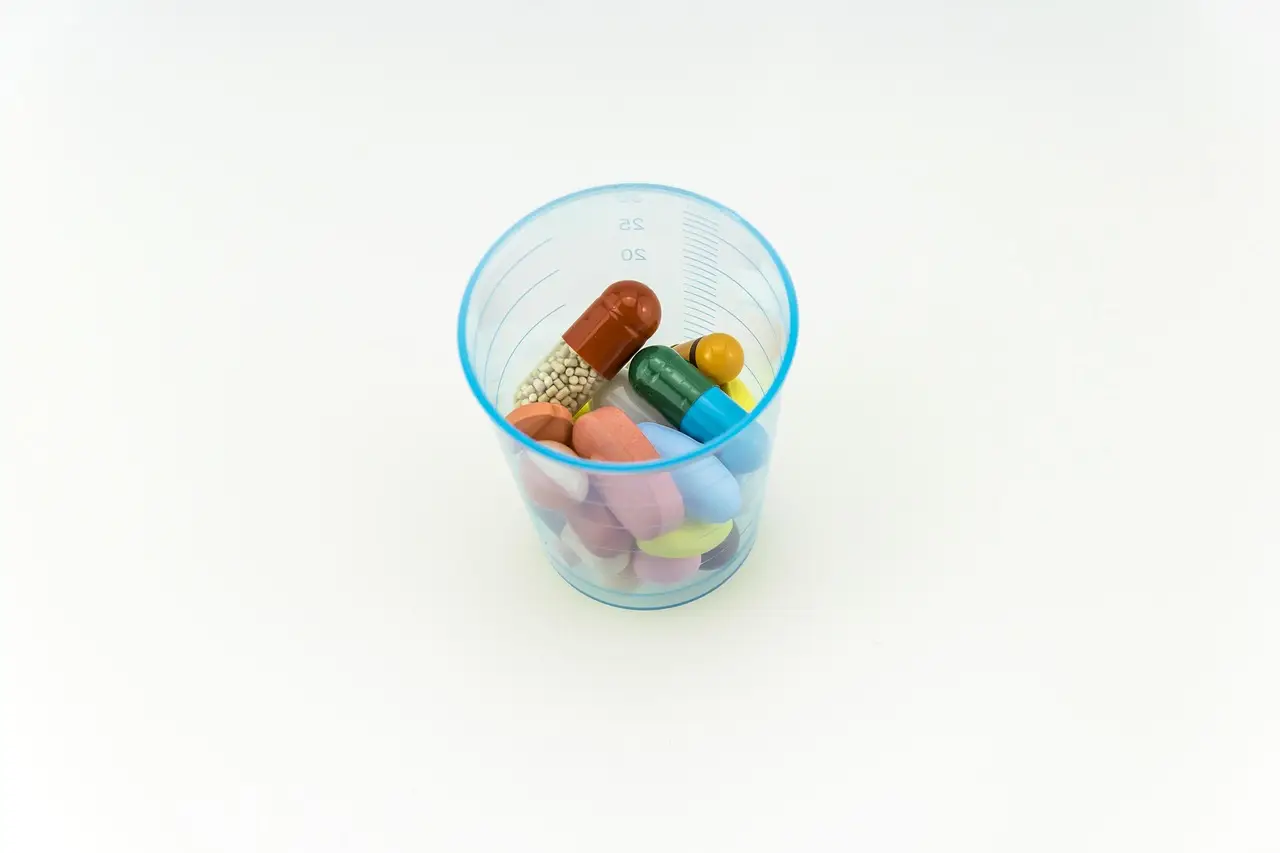
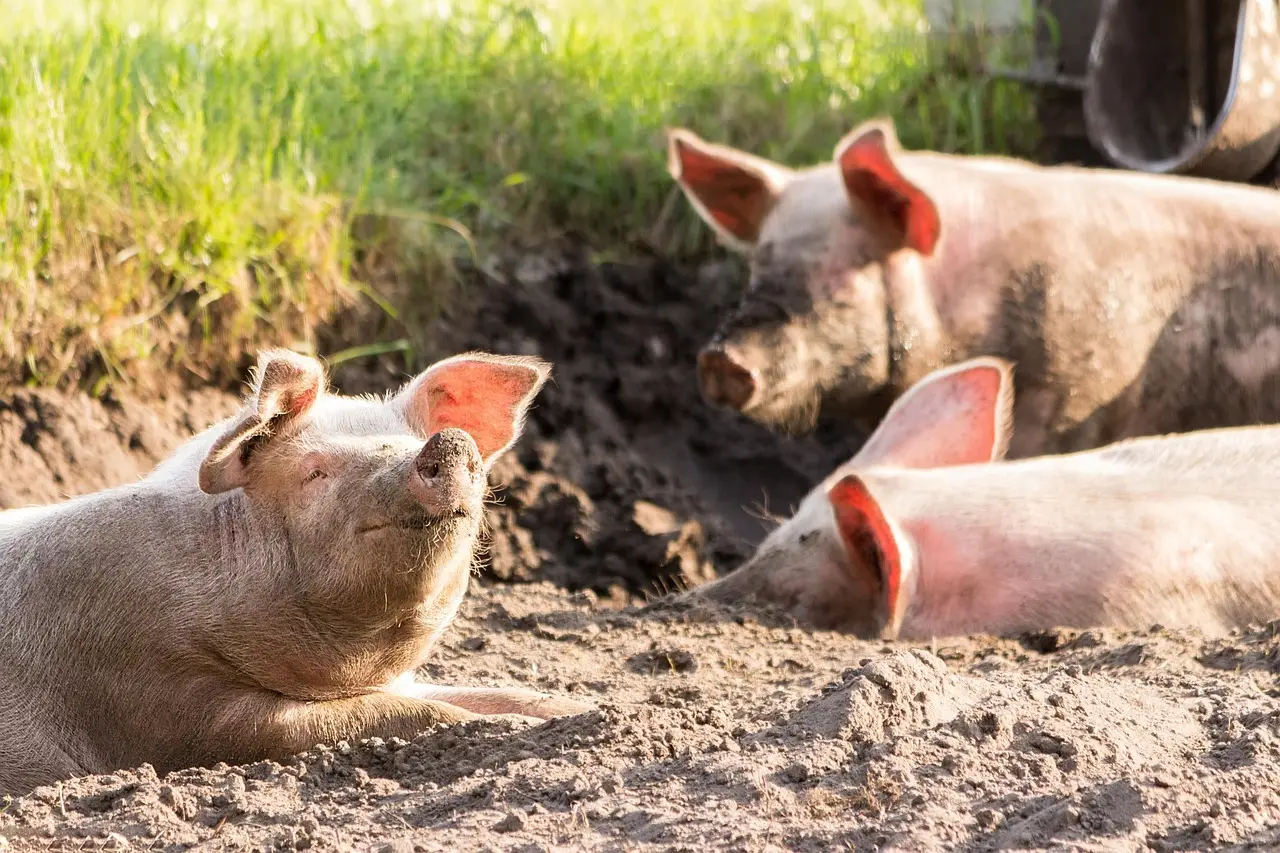
Photo: Lichtsammler / pixabay
Roughly 70% of all antimicrobial drugs worldwide go into livestock, not people, and current dispensing of about 100,000 tons a year is projected to reach 140,000 tons by 2040. That trajectory, laid out in an analysis published by Abdul Latif Jameel, frames antimicrobial resistance (AMR) in farm animals as a threat to animal health, food security and the livelihoods of the 1.3 billion people who depend on the livestock industry.
The resistance problem is not theoretical. Up to 50% of pigs on European farms are now believed to carry MRSA, according to research cited in the report. Studies project global livestock levels could fall by up to 8% by 2050 if AMR continues to spread, and by 11% in low-income countries where food production is already difficult.
What has already reached humans?
Two case studies anchor the public-health risk. In 2025, hundreds of people across multiple US states were hospitalized with diarrhea, fever and vomiting after infection with a Salmonella strain resistant to first-line antibiotics including fosfomycin. Two patients died. Investigators traced the outbreak to backyard chicken flocks.
During the UK's COVID lockdown, a dozen patients aged 22 to 70 in a burns unit contracted Staphylococcus aureus infections resistant to methicillin. The strain turned out to be livestock-derived, drastically limiting treatment options. All survived; the route of entry into the facility was never confirmed.
Global analysis in The Lancet estimates that without stronger action, AMR could be directly responsible for 1.91 million deaths a year by 2050, with 8.22 million deaths associated with AMR annually. The World Bank warns unchecked AMR could push 28 million people into poverty. Failing to tackle AMR globally could carry a cumulative US$100 trillion cost to economic output by 2050 through a 3.8% reduction in annual GDPs.
What does resistance look like at the farm level?
Drug-resistant strains of E. coli, Campylobacter and Salmonella have been detected in poultry stocks worldwide, causing stunted growth and mass culls. Pig farmers report more cases of antimicrobial-resistant swine dysentery, a severe mucohemorrhagic disease spread through contaminated feces, rats and equipment, with 90% morbidity and 30% mortality in affected herds.
Conventional antibiotics are failing often enough that farmers increasingly turn to pleuromutilins, which bind a different site on the bacterial ribosome. Even those compounds now face growing resistance. Meanwhile, antimicrobial use has grown more than 50% over the past 20 years, driven heavily by developing economies where regulation and oversight are weaker. Prophylactic dosing of whole flocks and herds through drinking water and feed encourages over-prescription and, with it, selection for resistant mutants.
The environment compounds the problem. The FAO notes that 75% to 90% of tested antibiotics may be excreted by animals unmetabolized, entering soil and waterways through manure, runoff and aquaculture. Manure spread as fertilizer widens the exposure.
Modeling puts livestock-specific AMR losses at up to US$950 billion of global GDP, with resistant pathogens passing from livestock to humans costing up to US$5.2 trillion.
Is anyone tracking the outbreaks?
No central body monitors AMR outbreaks globally. The online database resistancebank.org collates hundreds of livestock AMR reports across Europe, Asia, Africa, and North and South America, but it only records instances where resistance rates exceed 50%, and inconsistent sampling across territories limits its usefulness.
The World Organization for Animal Health calls AMR "one of the greatest global health challenges of our time," while emphasizing that strategies exist to curb superbug proliferation. Recommended farm-level measures include quarantining new arrivals, limiting farm visitors, disinfectant foot trays, restricting grazing access, routine disinfection of vehicles and equipment, pest control, mains water instead of streams and ditches, and avoiding slurry spreading during grazing periods. Daily inspection, prompt segregation of suspect animals, carcass removal, up-to-date biosecurity plans, full movement records, and tailored vaccination programs designed with veterinarians round out the list. Precise dosing and responsible disposal of surplus medicines and animal waste limit environmental contamination. Some experts also promote probiotics — live bacteria or yeast — to boost gut flora and natural immunity.
Can AI deliver new antibiotics?
In January 2026, Jameel Research announced funding for a three-year project at MIT's Department of Biological Engineering. Professor James J. Collins, Termeer Professor of Medical Engineering and Science and Faculty Lead for Life Sciences at the MIT Jameel Clinic, leads a team combining synthetic biology with generative AI to build a new generation of antibacterial treatments and rapid diagnostics.
The first phase focuses on programmable antibacterial therapies called 'minibinders,' delivered through modified microbes to neutralize critical toxins and protein targets across a variety of bacterial pathogens. The approach could apply to both livestock and humans and speed development of countermeasures for emerging pathogens.
"Antimicrobial resistance is one of the most urgent challenges we face today and addressing it will require ambitious science and sustained collaboration," Collins said. "This project reflects my belief that tackling AMR requires both bold scientific ideas and a pathway to real-world impact."
The report closes on the point that pathogens will keep adapting; the task is to delay that adaptation through sustainable farming while research pipelines like the MIT-Jameel project work toward programmable treatments that keep antimicrobials effective for animals, people and the food systems connecting them.
Original: fairr.org
Grace Kim
Show full bio
Staff writer covering regulation, policy and their impact on Small- and large-animal clinical practice at The Vet Scope.
Related articles
Livestock Outpaces Human Medicine in Antibiotic Use, Nigeria's Health Chief Warns
Nigerian report reignites livestock antimicrobial resistance debate
Nigeria, World Bank launch AMR initiative in livestock sector
Livestock-linked MRSA variant flagged as public health concern
Healthy Livestock Can Transmit Drug-Resistant Bacteria to Humans