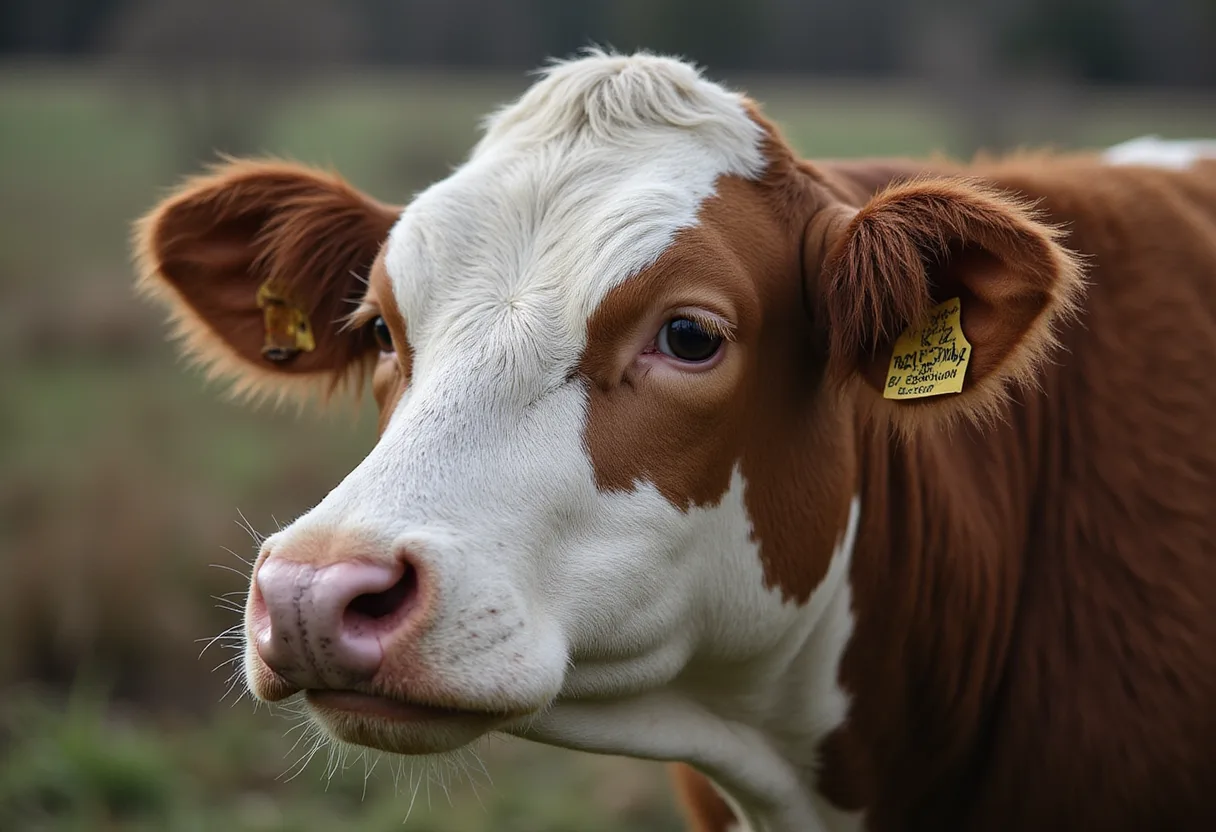
Livestock-linked MRSA variant flagged as public health concern
A livestock-linked MRSA variant has been flagged as a potential public health risk by Wicked Leeks; underlying article details were not accessible, so this report restates only the confirmed headline.
Updated
A livestock-associated variant of methicillin-resistant Staphylococcus aureus (MRSA) has been identified as a potential public health risk, according to a headline published by Wicked Leeks. The publication's title — "Variant of MRSA linked to livestock farming poses potential risk to public health" — signals a One Health concern at the animal–human interface, but the full article body was not accessible through the feed provided to The Vet Scope.
What the headline establishes
The available source confirms one concrete claim: a variant of MRSA with an epidemiologic link to livestock farming has been characterized as a potential risk to public health. No further details — including the bacterial lineage (e.g., CC398/ST3989), the country of detection, the livestock species implicated, sample size, study design, authors, institutional affiliation, or date of publication — are present in the supplied feed.
Why this story matters at the exam table and in the barn
Livestock-associated MRSA (LA-MRSA) has, in prior peer-reviewed work, been documented as a transmissible zoonotic pathogen colonizing swine, cattle, and poultry, with documented spillover into people who work with or live near production animals. A new variant flagged as a public health risk would carry the following implications, pending confirmation:
- Companion-animal practice: veterinarians should maintain a low threshold for considering LA-MRSA in household pets belonging to farming families or in animals with relevant exposure histories, particularly when recurrent skin and soft-tissue infections are unresponsive to beta-lactam antibiotics.
- Food-animal practice: producers and herd veterinarians may need to revisit biosecurity, antimicrobial stewardship plans, and surveillance protocols if the implicated variant is circulating in regional livestock populations.
- Public health: occupational risk for farm workers, abattoir staff, and their household contacts becomes a focal point for joint veterinary–medical communication.
What The Vet Scope could not verify
The source feed contains the headline and publisher attribution only. The following items are not verifiable from the supplied data and have therefore been omitted from this report rather than reconstructed from outside sources:
- The specific MRSA clonal complex or sequence type
- The animal species or production system implicated
- Geographic scope and time frame of detection
- Reported prevalence or incidence figures
- Identified transmission pathways
- Regulatory response, if any, from agencies such as the FDA Center for Veterinary Medicine, the European Medicines Agency, or the USDA
- Any quotations from named researchers, clinicians, or public-health officials
Forward look
A complete story on this variant will require the underlying Wicked Leeks article, the primary peer-reviewed publication it references, and any associated agency statements. The Vet Scope will update this report with species, study size, methodology, and direct attribution once those primary sources are accessible.
Source: Google News: Livestock health
Grace Kim
Show full bio
Staff writer covering regulation, policy and their impact on Small- and large-animal clinical practice at The Vet Scope.
Related articles
ASM Journals review examines zoonotic risk at traditional food markets
Healthy Livestock Can Transmit Drug-Resistant Bacteria to Humans
New Veterinarians Urged to Tackle Animal-Human Diseases
Wildlife trade linked to 40 years of animal-to-human pathogen spread
Bedding System Shapes Staph Genotypes Across Cows, Workers in Chinese Dairy Study