Livestock Outpaces Human Medicine in Antibiotic Use, Nigeria's Health Chief Warns
Nigeria's health minister Muhammad Ali Pate says livestock consumes more antibiotics than human medicine, signaling stewardship pressure will land on veterinary practice.
Updated
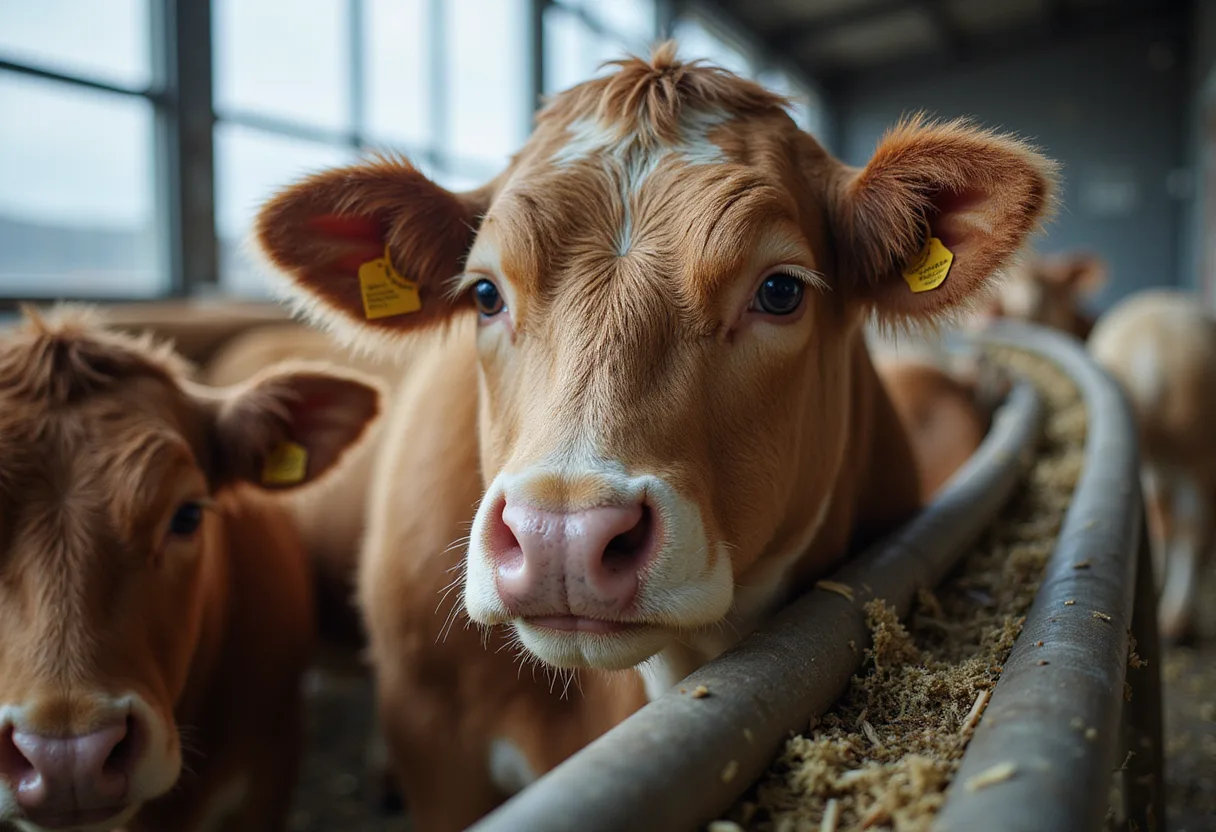
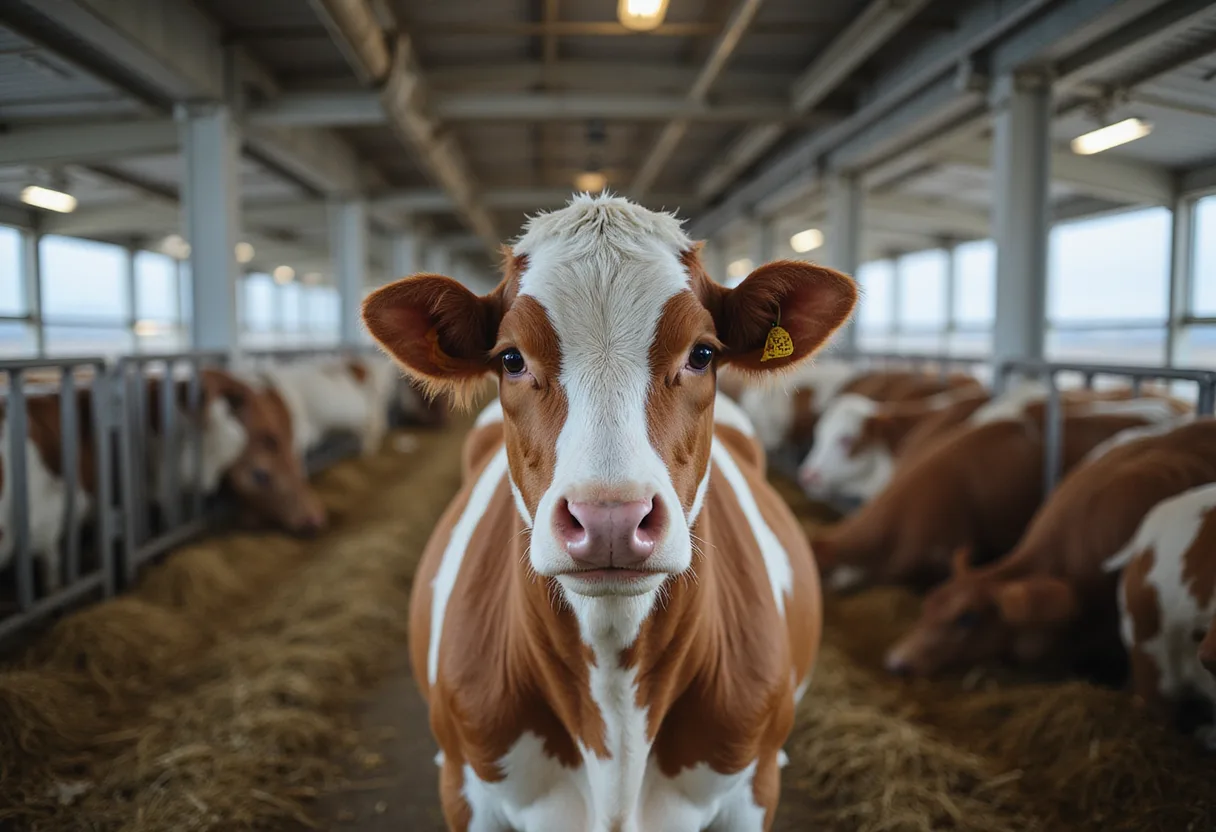
Photo: AI-generated
Livestock production consumes more antibiotics than the entire human health sector, according to Muhammad Ali Pate, Nigeria's Coordinating Minister of Health and Social Welfare, who issued the warning in remarks reported by Premium Times Nigeria.
The statement places Nigeria's antimicrobial resistance (AMR) problem squarely at the farm gate. For veterinarians and animal health workers, the message is blunt. Antibiotic consumption in food animals now exceeds clinical use in people, which means stewardship pressure will keep shifting toward agricultural and veterinary practice.
Pate's warning carries institutional weight. As the country's top health official, he framed AMR as a shared human and animal health challenge rather than a hospital problem alone. That framing follows the One Health logic that regulators and international bodies have pushed for years.
What does this mean for practice?
If livestock is the larger consumer, then the habits that drive resistance selection pressure sit in barns, poultry houses, and feedlots rather than only in clinics. Practitioners who treat food animals should expect:
- Tighter scrutiny of routine antibiotic use in feed and water
- Greater demand for prescription-only access to medically important antimicrobials
- More farm-level audits and reporting as national AMR action plans mature
Companion-animal practice is not exempt. The same resistance genes circulate across species, and the minister's comparison of sector-level consumption signals that all antibiotic use, in any animal, now sits under the policy microscope.
Why the comparison matters
Antibiotic use in animals that exceeds human clinical use is the pattern global surveillance has repeatedly documented in emerging economies, where growth promotion and disease prevention in intensive poultry and livestock systems drive volume. Pate's public statement confirms that Nigeria fits this profile and that its political leadership recognizes the imbalance.
The public-health implication is direct. Resistant bacteria selected on the farm can reach people through food, environmental pathways, and occupational contact. Veterinarians stand at the first control point in that chain, which is exactly why the minister's framing matters to the profession.
What comes next
Nigeria has a national AMR action plan aligned with World Health Organization guidance, and statements like Pate's typically precede stronger enforcement of veterinary prescription rules and antimicrobial use monitoring. Clinics and farms that document their antibiotic purchases, indications, and treatment outcomes now will find themselves ahead of whatever reporting regime follows.
The minister's warning suggests the era of unmeasured antibiotic use in Nigerian livestock is drawing to a close, and the veterinary sector will carry much of the responsibility for what replaces it.
Source: Google News: Livestock health
Elena Vasquez
Show full bio
Market editor covering money, funding and market shifts around Small- and large-animal clinical practice at The Vet Scope.
Related articles
Nigeria, World Bank launch AMR initiative in livestock sector
Nigerian report reignites livestock antimicrobial resistance debate
FAO Puts a Price on Antimicrobial Choices in Livestock
Survey examines antibiotic use drivers among Malaysian broiler farmers
Scottish AMU Pilot Signals On-Farm Antibiotic Reductions