FAO Puts a Price on Antimicrobial Choices in Livestock
The FAO reframes antimicrobial stewardship in livestock as an economic calculation, weighing the cost of changing practice against the cost of resistance left unchecked.
Updated
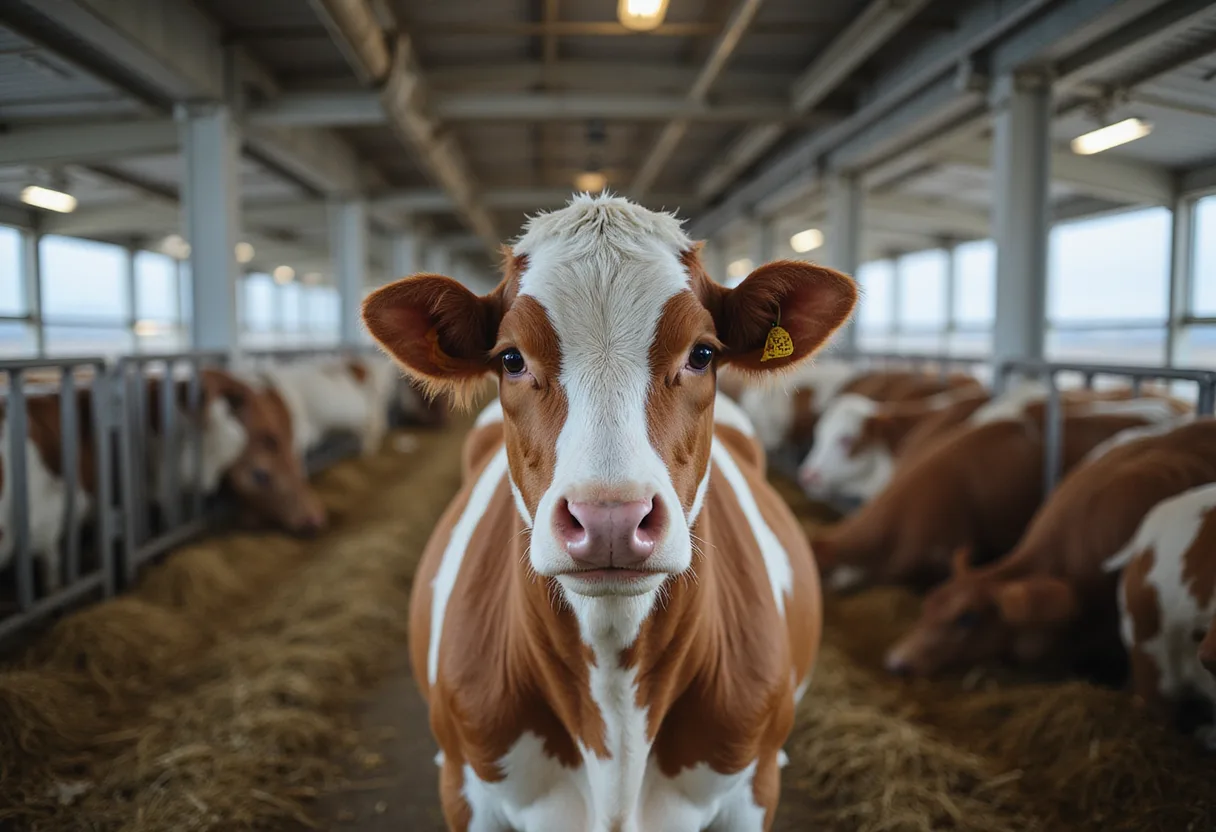
Photo: AI-generated
The Food and Agriculture Organization of the United Nations has placed the economics of antimicrobial use in livestock at the center of the global debate, asking what action — or inaction — on antimicrobial resistance will cost the livestock sector in the coming years.
The FAO's framing marks a shift in how the argument reaches veterinarians and producers. Where stewardship discussions have often centered on clinical outcomes and regulatory compliance, the agency is now asking the industry to weigh both sides of the ledger: the cost of changing practice, and the cost of failing to change it.
What does the FAO's framing change?
For food-animal veterinarians, the question lands at the level of the barn and the feedlot. Reducing antimicrobial use carries immediate, measurable costs — altered production protocols, potential losses from untreated disease, and the expense of alternatives such as vaccines, biosecurity investment and improved husbandry.
Inaction carries its own price. Antimicrobial resistance raises mortality, depresses growth, lengthens treatment courses and erodes the effectiveness of the drug classes food-animal practice still depends on. The FAO's analysis positions these two cost curves against each other, and argues that the industry cannot escape the arithmetic by standing still.
The agency's economic lens also matters for how policy gets made. When regulators weigh restrictions on antimicrobial use in livestock, the FAO's work gives them a framework for estimating sector-level consequences — and for justifying investment in alternatives before resistance forces a harder, more expensive correction.
How does this reach the exam table?
Companion-animal practice is largely outside the FAO's livestock focus, but the underlying logic travels. Resistance that emerges in food-animal systems does not respect species boundaries, and public-health agencies worldwide treat agricultural antimicrobial use as one input into the broader resistance picture that clinicians confront in every species.
For food-animal practitioners, the FAO's message translates into a practical shift: clients will increasingly ask what a stewardship transition costs, not merely whether regulators require it. Veterinarians who can quantify the trade-offs — production losses against drug savings, prevention investment against treatment expense — will hold the more persuasive position in that conversation.
What comes next?
The FAO's analysis arrives as governments tighten antimicrobial rules and as producer groups face growing market pressure, from retailers and importers, to document responsible drug use. The agency's contribution is to reframe the choice: the question is no longer whether change costs money, but which path costs less over time. How national policies and farm-level budgets absorb that framing will shape the economics of livestock medicine for years to come.
Source: Google News: Livestock health
Nathan Brooks
Show full bio
Senior reporter covering companies, deals and strategy in Small- and large-animal clinical practice at The Vet Scope.
Related articles
Livestock Outpaces Human Medicine in Antibiotic Use, Nigeria's Health Chief Warns
Nigerian report reignites livestock antimicrobial resistance debate
Frontiers study tallies drug and antibiotic costs on Central European dairy farms
Survey examines antibiotic use drivers among Malaysian broiler farmers
Vaccines as a Route to Cutting Livestock Antimicrobial Use