Three-Quarters of Beef Samples in Ugandan District Exceed Oxytetracycline Limits
A Scientific Reports study found 76% of oxytetracycline-positive beef samples in Gomba, Uganda exceeded FAO/WHO residue limits, with kidney levels near triple the ceiling.
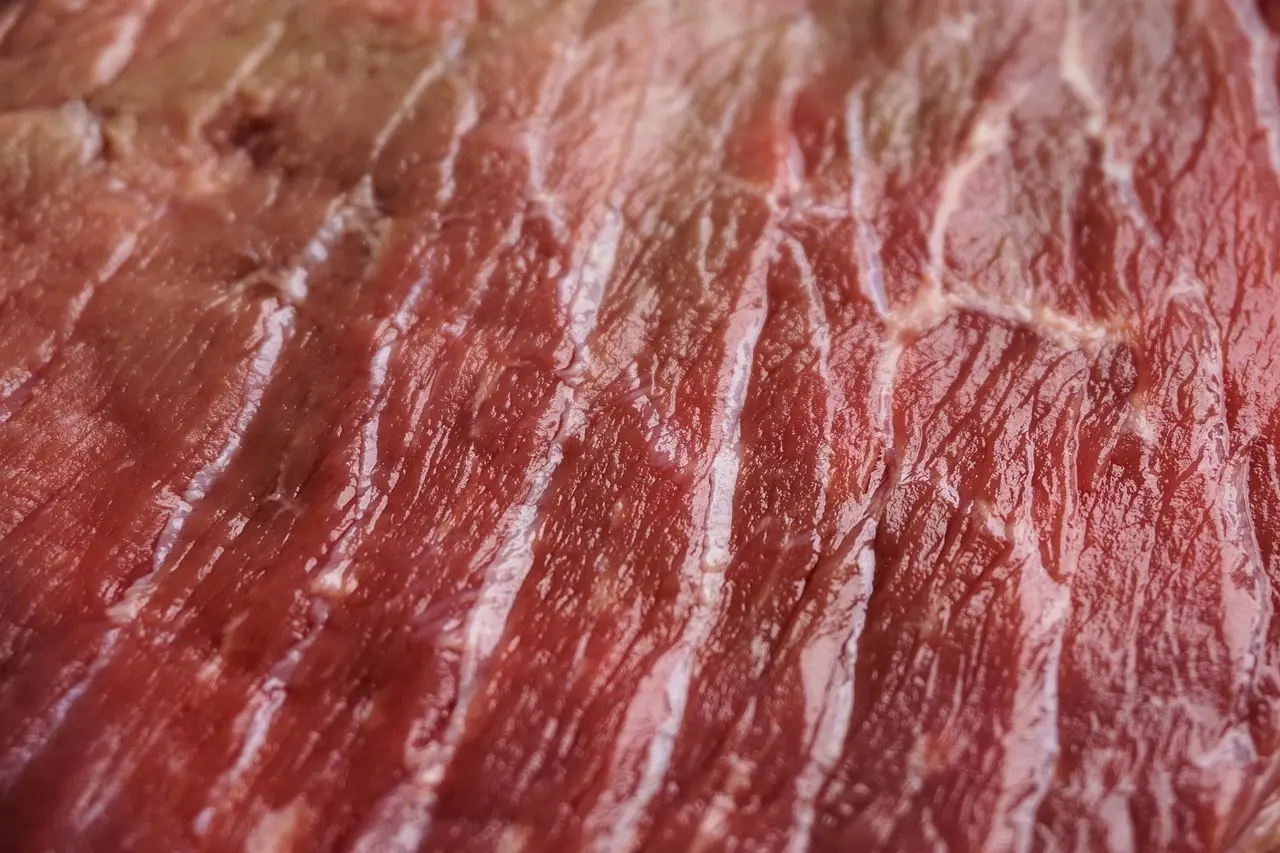
Photo: webandi / pixabay
Seventy-six percent of oxytetracycline-positive beef samples from Gomba district, Uganda exceeded the joint FAO/WHO Maximum Residue Limits, with kidney tissue averaging 3,470.2 ± 1,910.2 µg/kg against a regulatory ceiling of 1,200 µg/kg. The study, published in Scientific Reports (DOI: 10.1038/s41598-026-77500-x), analyzed 432 samples collected between February and June 2019 from 10 butcheries across five sub-counties and interviewed 378 cattle farmers.
Researchers detected oxytetracycline residues in 321 of 419 analyzed samples — 76.6% by the study's prevalence count, 74.3% of the collected total — and 244 of the positives breached the established thresholds of 200 µg/kg for muscle, 600 µg/kg for liver and 1,200 µg/kg for kidney. Mean concentrations ran 881.9 ± 457.8 µg/kg in muscle and 1,364.8 ± 1,227.9 µg/kg in liver. Across all tissues combined, the mean was 1,905.6 ± 1,376.3 µg/kg.
How the study was run
The team used a cross-sectional, mixed-methods design. Quantitative data came from semi-structured questionnaires administered to 380 sampled farming households, with 378 respondents retained in the awareness analysis. Qualitative data came from focus group discussions with farmers and key informant interviews with veterinary meat inspectors, coded in NVivo version 14.
Beef analysis used reversed-phase HPLC with a UV/VIS detector set at 350 nm, a PerkinElmer Brownlee Bio C18 column (150 × 4.6 mm, 5 µm) and a mobile phase of methanol, acetonitrile and 0.01 M aqueous oxalic acid (10:30:60) at pH 3.85. Quantification relied on a five-point calibration curve built around the MRL, using oxytetracycline hydrochloride standard of at least 95% purity from Sigma-Aldrich. Muscle was sampled specifically from the fore and hind quarters — the most common injection sites. Ethics approval came from Makerere University's School of Biotechnical and Biomedical Laboratory Sciences review board (SBLS/REC//19/001A).
What did farmers know?
Awareness of the drug itself was nearly universal: 370 of 378 respondents (98%) had heard of oxytetracycline and 362 (96%) had used it. But only 287 (76%) knew the residues could harm humans. Their understanding of the harm diverged sharply from pharmacological expectation — 246 respondents (65%) named cancer, while 98 (26%) named drug resistance, 15 (4%) allergy, 15 (4%) genetic effects and 3 (0.8%) abnormal child development.
Regression analysis tied awareness significantly to education level (p = 0.00003), to who dispenses the drug (p = 0.000006) and to gender (p = 0.026). The authors attribute the gender gap to women's limited participation in Uganda's livestock value chain, which restricts their access to veterinary services.
Focus group discussions exposed the economics driving residue contamination. Farmers sell cattle that fail to respond to medication rather than absorb the loss of a dead animal.
"For us farmers we often sale animals before the recommended withdrawal periods for economic reasons," one male focus group participant stated. Another said: "I and some other farmers purchase and administer drugs to their livestock without the knowledge of veterinary doctors."
Where does the regulatory failure sit?
Veterinary inspectors described a system without teeth. The National Drug Authority holds the mandate for veterinary drug regulation in Uganda but, the paper notes, lacks an effective monitoring system. Inspectors rely on physical and visual inspection of carcasses.
"We don't have the capacity to detect the level of these residues in beef. Having equipment for rapid detection in the field would greatly help in preventing the sale of meat with drug levels above acceptable limits," one veterinary inspector stated.
Staffing compounds the problem. "We — Extension service providers — are very few (compared to the number of farmers) and we are less facilitated and often find it hard to reach some areas to deliver veterinary service," a veterinary officer said. Label literature offers little protection: instructions are written in English for a population the inspectors described as largely illiterate or semi-literate.
Regional and public-health context
The Gomba figures sit above comparable East African findings. A Tanzanian study detected oxytetracycline residues in 71.1% of beef samples, with 68.3% above acceptable limits; a Cameroonian study reported 40.3% prevalence. The authors note that residue levels in developing countries exceed those in developed nations, where drug regulation is stricter and fewer farmers treat animals themselves.
The public-health stakes extend beyond direct toxicity, allergic reaction and microbial disturbance: the paper flags antimicrobial resistance as a potential consequence of the practices documented, and notes that residue violations can undermine regional and international beef trade.
The authors recommend traceability policies that identify beef sources, public sensitization on veterinary drug misuse, farmer record-keeping to enforce withdrawal periods, incentives for good livestock practices, expanded extension staffing, and rapid field detection equipment — plus more rigorous prevalence studies across other Ugandan districts.
Original: doi.org
Nathan Brooks
Show full bio
Senior reporter covering companies, deals and strategy in Small- and large-animal clinical practice at The Vet Scope.
Related articles
EU Food Supply Largely Compliant With Veterinary Drug Residue Limits
Mvomero survey: 99.7% of cattle keepers use antimicrobials, few grasp AMR
Codex Committee Advances Veterinary Drug Residue Standards for Food
Heavy Metals and Glyphosate Found in Nearly All Cat Foods Tested
Lao PDR Weighs Next Steps on Veterinary Drug Residue Monitoring