Iowa livestock manure runoff threatens drinking water, EWG reports
The Environmental Working Group links Iowa livestock manure to statewide drinking-water and public-health risk. Veterinary practitioners across food-animal, companion-animal, and public-health roles should prepare for client questions and regulatory pressure.
Updated
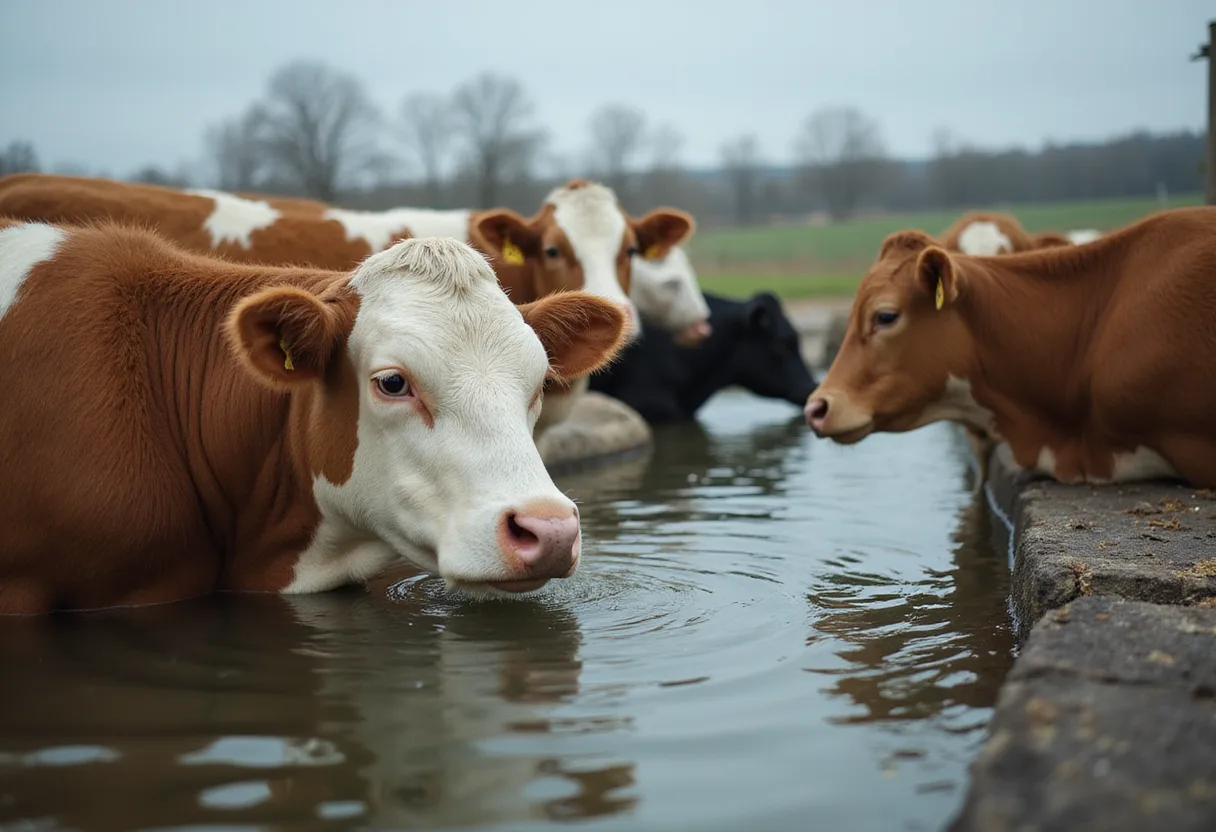
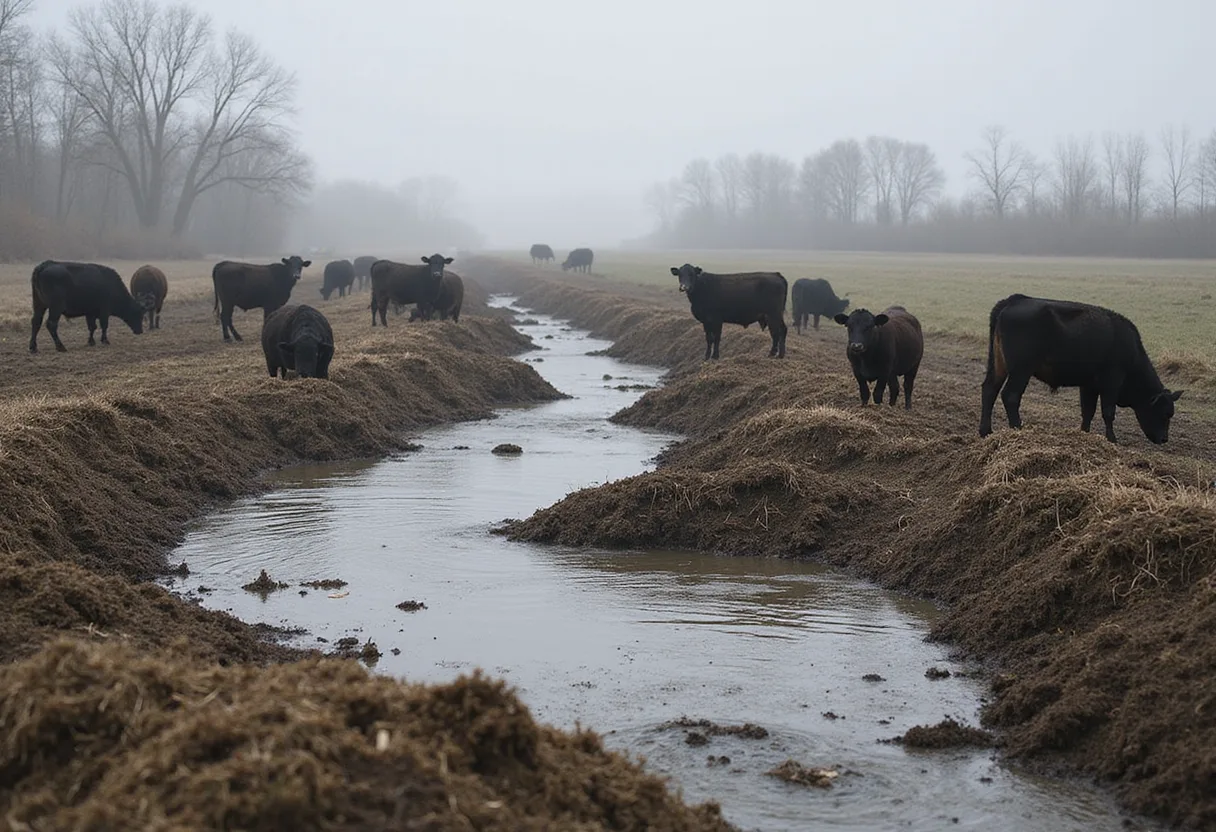
Photo: AI-generated
Iowa sits at the center of a new Environmental Working Group analysis that ties livestock manure management to drinking-water contamination across the state. The advocacy organization argues that runoff from concentrated animal feeding operations threatens Iowa's drinking water and public health on a population-wide scale.
What does the report put in play?
EWG's piece frames livestock manure as the dominant pressure on Iowa's water supply. The headline-level argument runs as follows: where animal density rises, pollutant loading in rivers and shallow wells rises with it, and treatment costs follow. Advocacy organizations, not state agencies, authored the document. No regulatory body has adopted its specific findings. Practitioners should treat the report as a starting point for client conversations, not as a regulatory mandate.
What changes at the barn level?
Food-animal practitioners can expect three pressure points in the next twelve months. First, nutrient management plan audits tied to cost-share programs. Second, requests for documentation of mortality composting and runoff controls. Third, harder questions about antibiotic residue and resistance gene transport in manure-amended fields.
The One Health lens matters here. Manure-borne pathogens such as Escherichia coli, Salmonella, and Cryptosporidium move with the same runoff the report targets. Veterinarians advising clients on vaccination, biosecurity, and preconditioning already touch this chain at multiple points. The EWG framing pushes those conversations higher on the agenda and may prompt producers to seek veterinary guidance before state or federal action does.
What does the regulatory picture look like?
Iowa operates under state-implemented Clean Water Act programs with EPA oversight. The EWG report lands against a backdrop of ongoing litigation over delegated authority and into a multi-state lawsuit track that names livestock producers as defendants. None of those cases has produced a verdict at the time of this writing. The EWG analysis functions as advocacy, not adjudication, and should be read accordingly.
Veterinarians do not set manure policy. They do, however, sign certificates of veterinary inspection that travel with animals moving to sale barns. They review plans that govern on-farm mortality handling. They advise on biosecurity for herds in watersheds that state agencies now flag. That paperwork makes the practitioner a stakeholder whether the practice intends it or not.
How does this affect companion animals?
Small-animal veterinarians in Iowa towns should not dismiss this as a food-animal story. Contaminated water is not a species-restricted risk. Canine and feline patients drinking from household taps face the same exposure profile as their owners. Rural clinics drawing from private wells sit inside the exposure map the report describes.
Practitioners can pre-empt client questions by knowing their local utility source and treatment practice. They can flag the signs of chronic low-level contaminant exposure in working farm dogs and outdoor cats, which include lethargy and the cyanosis-pattern changes that warrant prompt workup. Blue mucous membranes in any patient from a known affected watershed should trigger a same-day workup.
How does this connect to public health?
Veterinary medicine already coordinates with state public-health departments on reportable zoonoses. Manure-borne pathogen tracking extends that coordination into watershed management. State veterinary associations in Iowa and neighboring states will likely field more queries from members on nutrient plan documentation as this story develops. Client-facing materials explaining the difference between regulatory threshold and advocacy framing will save practitioners time.
What comes next?
Federal and state agencies will face continued pressure to publish watershed-level data alongside advocacy summaries. Veterinary practitioners should expect more referrals from public-health colleagues as manure-policy litigation advances through the courts. The next twelve months will determine whether EWG's framing drives regulation or fades as another advocacy report.
That sentence matters for practitioners. Those who understand the framing now will field client questions with more authority than those who do not.
Source: Google News: Livestock health
Elena Vasquez
Show full bio
Market editor covering money, funding and market shifts around Small- and large-animal clinical practice at The Vet Scope.
Related articles
Iowa Livestock Health Advisory Council Awards Research Grants
CRS releases Farm Bill primer on animal health authorities
Indiana Pork broadens disease prevention via advisory committee
Study Examines Water Quality Perceptions in Free-Range Ruminant Herds
USDA to Launch NAHMS Equine Industry Study Next Month