Study Examines Water Quality Perceptions in Free-Range Ruminant Herds
A Preventive Veterinary Medicine study, online 10 October 2026, links farmer-perceived water quality to illness and productivity losses in free-range ruminants.
Updated
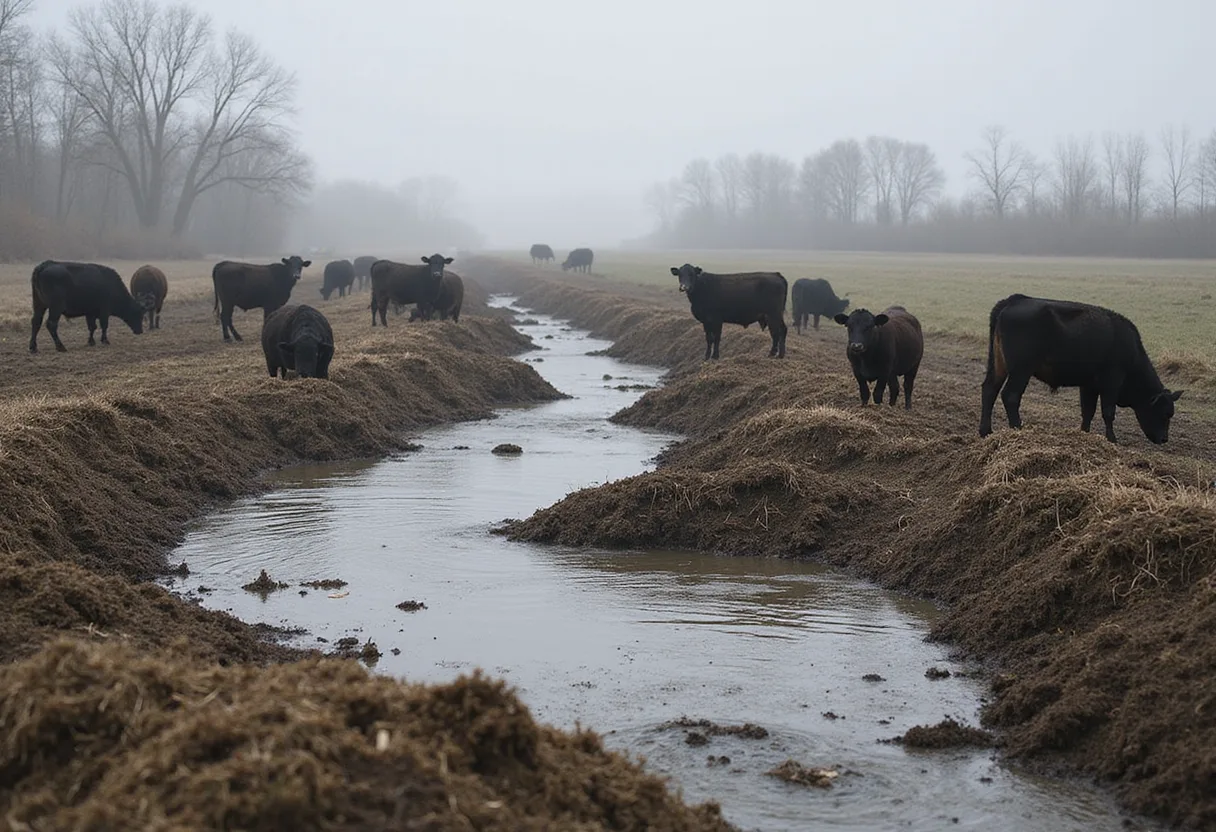
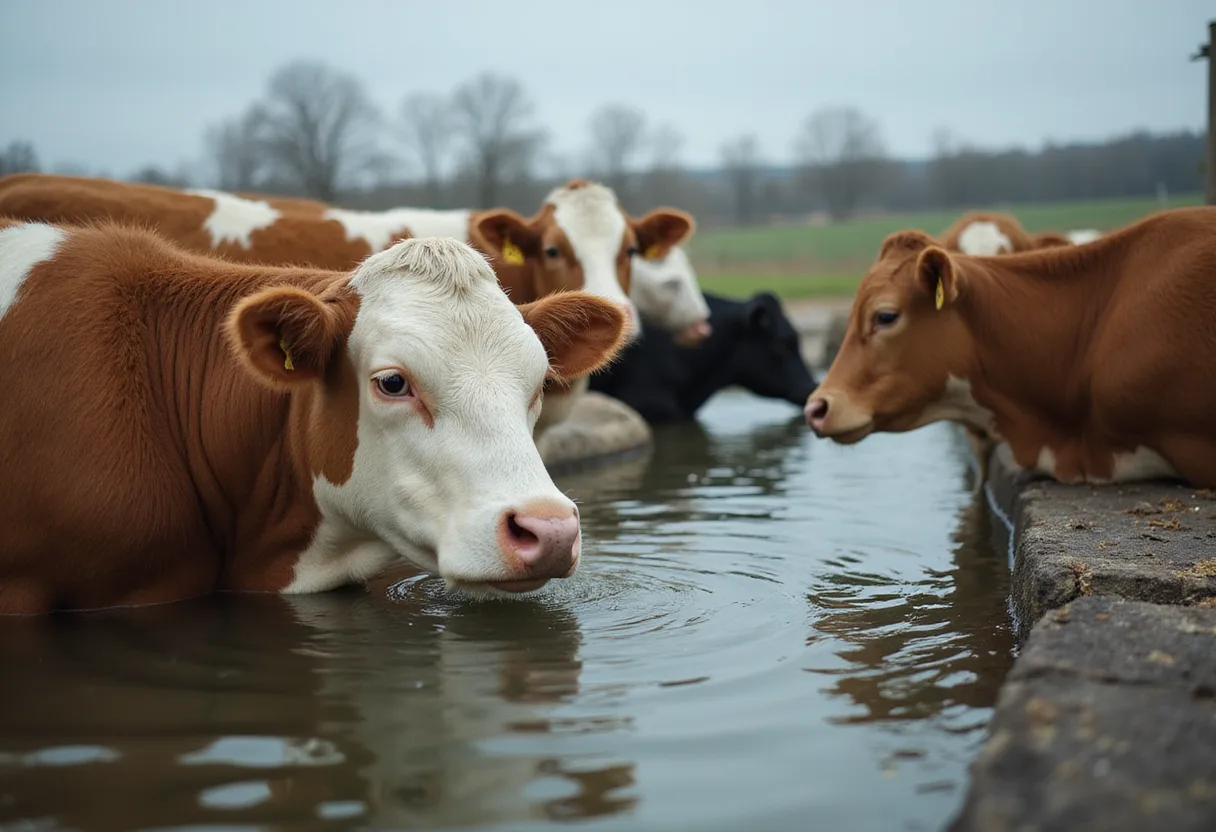
Photo: AI-generated
A study published online 10 October 2026 in Preventive Veterinary Medicine investigates how farmers perceive livestock drinking water quality in free-range ruminant systems, and whether that water carries measurable associations with reported livestock illness and productivity losses.
The paper, authored by Sinovuyo Luphuzi, Ziyanda Mpetile, Anthony I. Okoh, Mthunzi Mndela and Oluwakamisi F. Akinmoladun, targets a production setting where water is often the least controlled input: free-range and communally grazed ruminants. In these systems, animals drink from streams, dams, troughs and other shared sources rather than from managed, tested supplies.
Why does farmer perception matter?
The study's framing rests on a straightforward premise. If producers do not recognize poor drinking water as a threat, they are unlikely to test it, treat it or report it as a possible cause of herd illness. Perceptions therefore shape both surveillance and the accuracy of farmer-reported health data — the same data veterinary authorities in extensive grazing regions often rely on when laboratory confirmation is scarce.
By pairing farmer-reported illness and productivity losses with an analysis of risk factors tied to water sources, the authors attempt to connect what herders observe in the paddock with what water quality actually delivers on farm.
What are the implications by sector?
- Food-animal practice: For clinicians working with free-range cattle, sheep and goats, the study directs attention to water as a differential when investigating herd-level illness and unexplained productivity shortfalls. A water history — source, sharing, seasonality, treatment — becomes as relevant as feed and vaccination records.
- Public health: Shared or contaminated drinking water sources for ruminants sit at the interface of animal and human water use, particularly in communal grazing systems where the same streams serve multiple purposes. The risk-factor approach taken here can inform where that overlap matters most.
- Companion animals: The paper does not address companion species; its scope is confined to ruminant production systems.
What changes at the herd level?
For practitioners and extension services, the study's value lies in its structure: it treats farmer reports not as anecdote but as data, then asks which water-related conditions correlate with those reports. That is the model veterinarians can apply when farm diagnostics are limited — quantify what the producer sees, identify modifiable water-related exposures, and target interventions at the source rather than at the symptom.
The authors do not propose a drug, vaccine or regulatory measure, and no product or agency approval is involved. The work is observational and perception-based in design, so its findings should inform where clinicians look for risk rather than serve as a diagnostic standard.
The study is now available online from Preventive Veterinary Medicine as of 10 October 2026, and subsequent field validation of its reported risk factors will determine whether water-quality interventions translate into measurable reductions in livestock illness and productivity losses.
Source: Preventive Veterinary Medicine (Elsevier)
Amara Osei
Show full bio
Correspondent covering companies, deals and strategy in Small- and large-animal clinical practice at The Vet Scope.
Related articles
Smart Ranch Technology Cuts Costs and Improves Cattle Health
Iowa livestock manure runoff threatens drinking water, EWG reports
Dairy cow behavior decoded from electronic feeder data
Parity linked to mastitis, lameness and reproduction in dairy study
BMJ Review Maps Disease Risks in Traditional Live-Animal Markets