Blood Biomarkers Could Transform Diagnosis of Sick Newborn Foals
Blood biomarkers could shift diagnosis of sick newborn foals from subjective exam findings to objective, sample-based detection, researchers report.
Updated
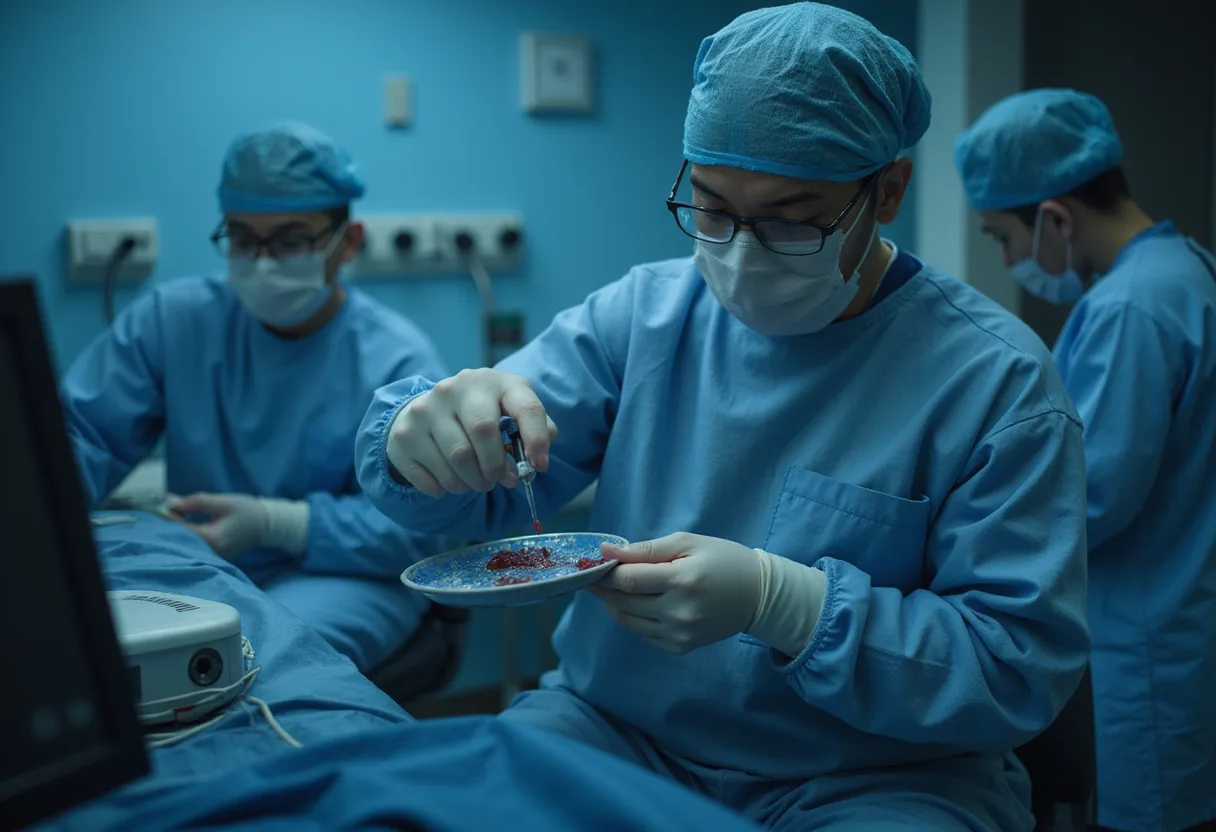
Photo: AI-generated
A blood-based biomarker approach could transform how veterinarians diagnose sick newborn foals, shifting neonatal evaluation from subjective clinical judgment toward measurable indicators in a routine blood sample.
Sepsis and other neonatal conditions remain a leading reason foals fail to survive the first days of life, and early recognition drives outcomes. The new work, reported by Bioengineer.org, points to biomarkers in circulating blood as a route to faster and more objective identification of compromised foals at the stall side or clinic door.
Why current diagnosis falls short
Clinicians typically assess newborn foals using history, physical examination and laboratory panels such as complete blood counts and serum immunoglobulin testing. That process depends heavily on examiner experience, and early signs of systemic illness can be subtle. A validated biomarker signature could give practitioners a concrete threshold rather than a gestalt impression.
What could change at the exam table
If commercialized into a practical assay, biomarker testing would allow:
- earlier flagging of foals at risk before overt clinical decline;
- objective monitoring of response to treatment through repeat sampling;
- better triage decisions on farm referral versus hospital admission.
Any such test would face regulatory review before clinical use in the field, and equine practitioners should watch for validation studies confirming performance across breeds, farms and disease causes.
Who this affects
The immediate implications sit with companion and performance horses: breeders, sport-horse operations and referral hospitals stand to gain most from earlier detection. There are no direct food-animal or public-health implications, since the research addresses equine neonatal medicine specifically.
Further published details on the specific markers, study cohort and analytical performance are expected as the research team reports its full findings.
Source: Google News: Veterinary diagnostics
Daniel Okafor
Show full bio
News editor covering technology and product news in Small- and large-animal clinical practice at The Vet Scope.
Related articles
University of Kentucky Names New Director of Veterinary Diagnostic Laboratory
AAEP Publishes Revised Salmonellosis Disease Guidelines
Nebraska Veterinary Diagnostic Center Earns Governor's Award
New FIP Antemortem Test Reaches 78% Accuracy in 84-Cat Trial
Flunixin Meglumine and DMSO Evaluated for Endotoxemia in Donkeys