New World Screwworm Returns to U.S.; Small Wounds Now a Serious Horse-Risk
New World screwworm has returned to U.S. territory, and even a tiny wound on a horse can now become an entry point for tissue-invading larvae. Practitioners should inspect, monitor and report.
Updated
New World screwworm is back in the United States, and veterinarians who work with horses should now treat even a tiny wound — a scratch, a castration site, a heel bug bite — as a potential point of entry for the larva of Cochliomyia hominivorax.
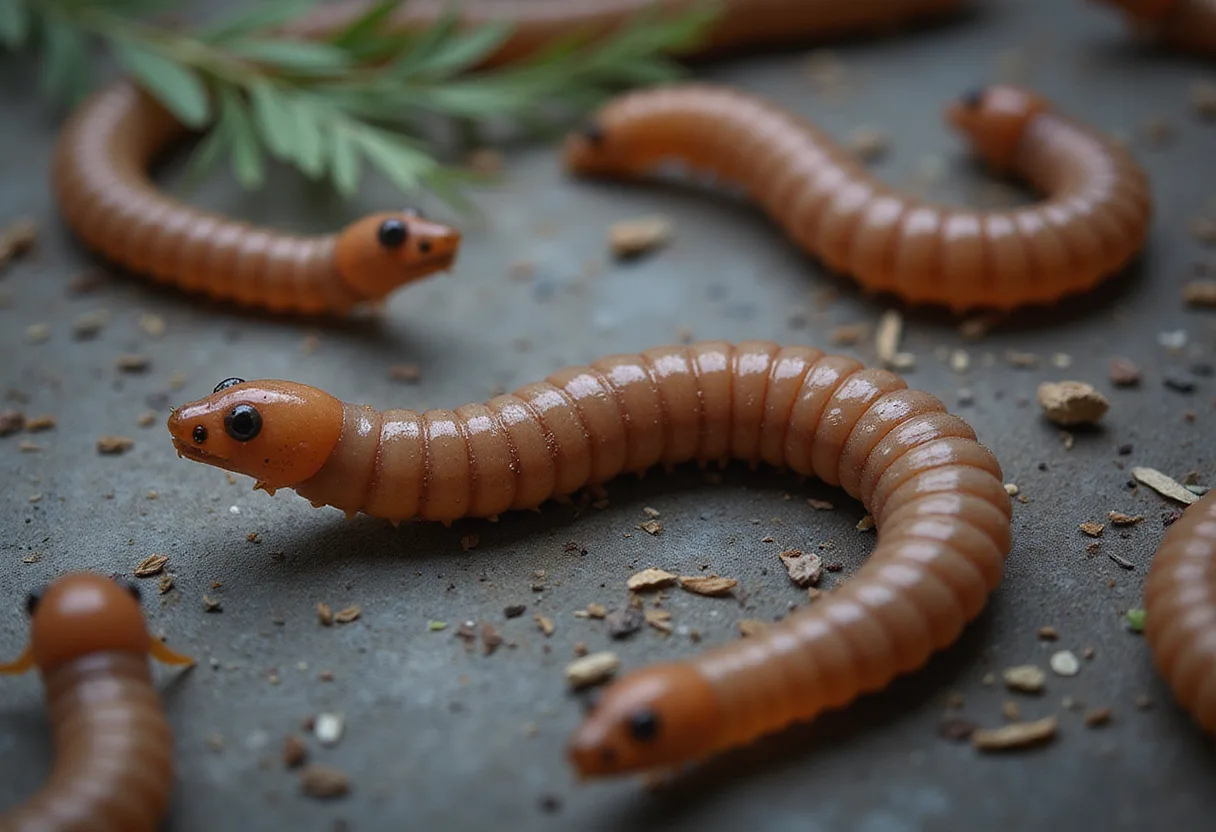
The headline finding for practitioners is simple and stark: a break in the skin that would have drawn no concern two years ago can no longer be dismissed. Screwworm larvae do not scavenge; they feed on living tissue. That behavioral difference is what makes an infestation in a horse progressive, painful and, if untreated, fatal.
Vet Candy, reporting on the return of the parasite to U.S. territory, frames the risk squarely around the horse: any open wound is a potential oviposition site for the adult fly, and foaling injuries, branding sites, tack rubs, hoof abscesses and routine surgical incisions all qualify.
What changes at the exam table?
For equine and mixed-animal clinicians, the practical shift is in triage and client communication:
- Every wound, regardless of size, now warrants inspection for larvae and a follow-up plan rather than watchful waiting alone.
- Clients should receive explicit instructions on wound hygiene and daily observation, particularly in warm months and in regions where the fly is active.
- Any suspicious myiasis case should prompt immediate reporting to state or federal animal health authorities, because New World screwworm is a reportable pest and a single confirmed case triggers an official response.
- Practitioners should preserve collected larvae for identification by a diagnostic laboratory, since distinguishing screwworm from common blowfly species is a specialist task with major regulatory consequences.
The differential matters. Ordinary blowfly larvae feed on dead tissue and often indicate poor wound care. Screwworm larvae invade healthy tissue, deepen the lesion, and produce a characteristic foul-smelling discharge. A wound that gets worse instead of better between visits should raise suspicion.
Why horses are especially exposed
The horse's daily life supplies the parasite with opportunities. Horses sustain small wounds constantly — fences, herd-mate bites, harness friction, insect irritation — and each one is a potential entry point when an adult female fly is present to lay eggs at its edges. Performance and working horses, with their higher rate of minor injuries, may carry disproportionate risk in an affected area.
Companion-animal clinics are not bystandands here. Dogs and cats with wounds, surgical sites or tick bites face the same exposure, and New World screwworm larvae infest any warm-blooded animal — livestock, pets and humans alike. A confirmed equine case in a practice's catchment therefore changes triage protocols across species.
The public-health and food-animal dimension
The return of the screwworm is not only an equine story. The parasite's historical significance in cattle production is the reason the U.S. and its partners once eradicated it from North and Central America, and its re-establishment would carry direct consequences for herd health, meat production and export markets. Human myiasis, while rare, is documented, which places the outbreak in the public-health column as well as the veterinary one.
Companion-animal, food-animal and regulatory veterinarians therefore share one interest: early detection at the level of the individual wound, before the fly population can expand.
What happens next
Surveillance, wound vigilance and rapid reporting are the tools available to every practicing veterinarian right now. The recommendation from the coverage is unambiguous: look at every small wound, look again the next day, and report anything suspicious without delay. How quickly the parasite's presence is contained will depend largely on how fast first-line practitioners act on the lesions in front of them.
Source: Google News: Veterinary medicine
Nathan Brooks
Show full bio
Senior reporter covering companies, deals and strategy in Small- and large-animal clinical practice at The Vet Scope.