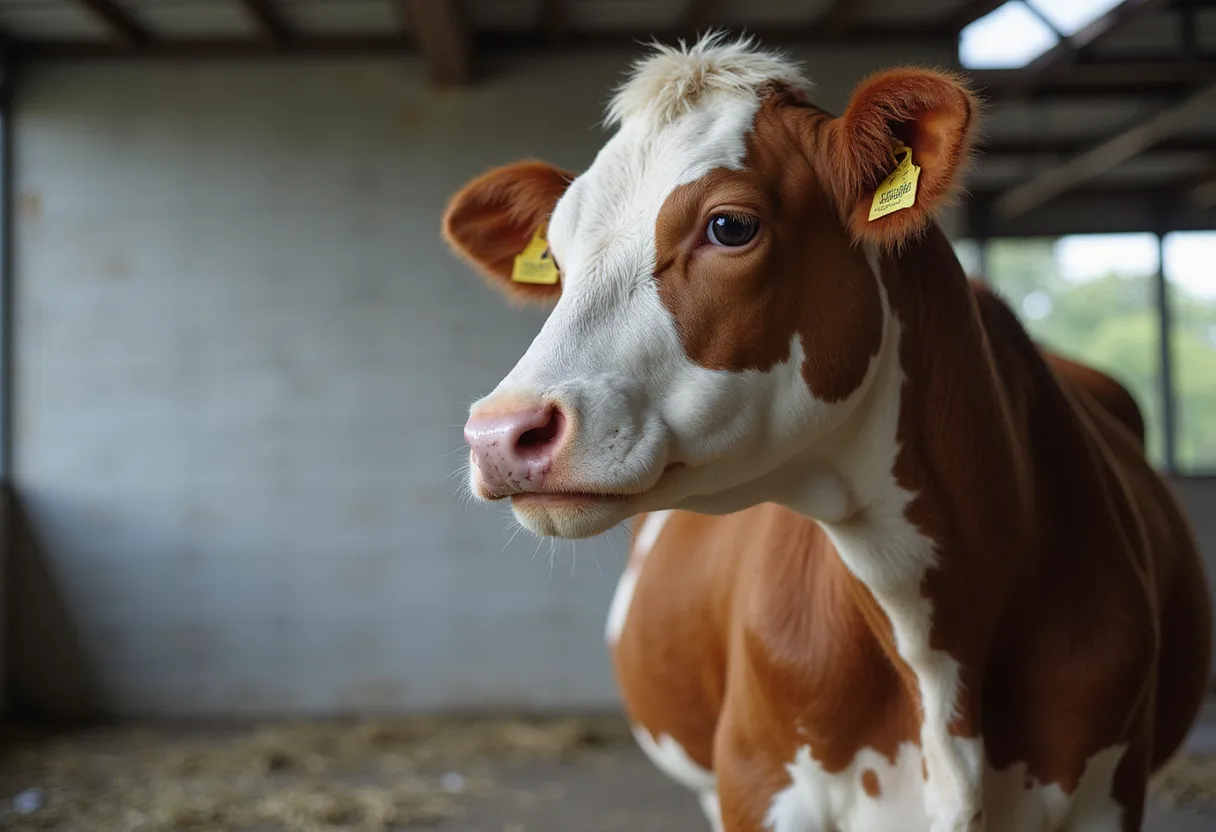
Smart Ranch Technology Cuts Costs and Improves Cattle Health
Connected monitoring tools now on the market cut ranch operating costs and support earlier detection of illness in cattle, Farm Progress reports, as adoption widens.
Updated
Ranchers are deploying smart ranch technology that reduces operating costs while improving cattle health outcomes, according to a report from Farm Progress.
The report, which surveys the current generation of connected livestock management tools, arrives as cattle producers face tight margins and rising input prices. Equipment now on the market pairs sensor-based monitoring with data platforms that track individual animals, giving producers earlier signals of illness and more precise control over feeding and labor.
What that means in practice: instead of relying on daily visual checks across a herd, producers can use automated monitoring to flag animals that deviate from normal behavior — often before clinical signs are obvious to a rider on horseback. Earlier detection typically translates into earlier treatment, fewer pull rates, and less therapeutic cost per head.
Cost savings, the central claim of the report, come from several directions. Labor is the most direct. Automated monitoring and connected infrastructure reduce the hours spent on routine inspection, allowing crews to focus attention where the data points them. Feed and resource efficiency improve when producers can measure consumption and gain at a finer resolution than pen-level averages allow.
Health benefits follow the same logic. Disease in feedlot and range cattle costs producers through treatment expense, reduced gain, and mortality. Tools that identify sick animals earlier can shrink each of those categories. The report frames the technology as a net positive for both the operation's balance sheet and the welfare of the animals under its care.
Producers evaluating these systems will need to weigh several practical questions. Upfront investment varies widely across platforms, and returns depend on herd size, existing infrastructure, and the operation's baseline disease and labor profile. Connectivity is another constraint: many ranches sit outside reliable cellular coverage, and buyers should confirm how a given system handles data transmission from remote pasture.
The report does not present results from a controlled trial, and producers should treat vendor performance claims accordingly. Independent, peer-reviewed data on outcomes such as morbidity reduction or labor savings remains limited relative to the pace of product launches. Asking suppliers for on-ranch trial results, reference operations of similar size, and clear warranty terms is a reasonable baseline before committing capital.
For veterinarians working with beef clients, the spread of these tools changes the conversation at the herd-health level. Producers armed with continuous behavior and intake data may bring earlier and better-characterized cases to their veterinarian, and treatment protocols can be evaluated against measurable outcomes rather than pen-level impressions. It also creates a role for veterinarians in interpreting the data stream and setting thresholds that trigger intervention.
The trend line points toward wider adoption. As sensor costs fall and platforms mature, the technology is moving from early-adopter ranches toward the broader commercial market, with cost savings and health gains cited as the drivers producers cite most.
Source: Google News: Livestock health
Daniel Okafor
Show full bio
News editor covering technology and product news in Small- and large-animal clinical practice at The Vet Scope.
Related articles
Smart Ear Tags Help Detect Heat, Calving, and Health Issues in Cattle
Dairy cow behavior decoded from electronic feeder data
Large Animal Vet Shortage Adds New Burden for Cattle Producers
Bovine Veterinarian Tackles AI Implementation in Practice
Too Few Vets, Too Many Animals: The Farm Veterinarian Shortage