Virginia Grants $890,000 to 7 Large Animal Veterinarians
Virginia awarded $890,000 to 7 rural large animal veterinarians as a USDA report shows 81% of rural counties have cycled through veterinary shortage designations since 2010.
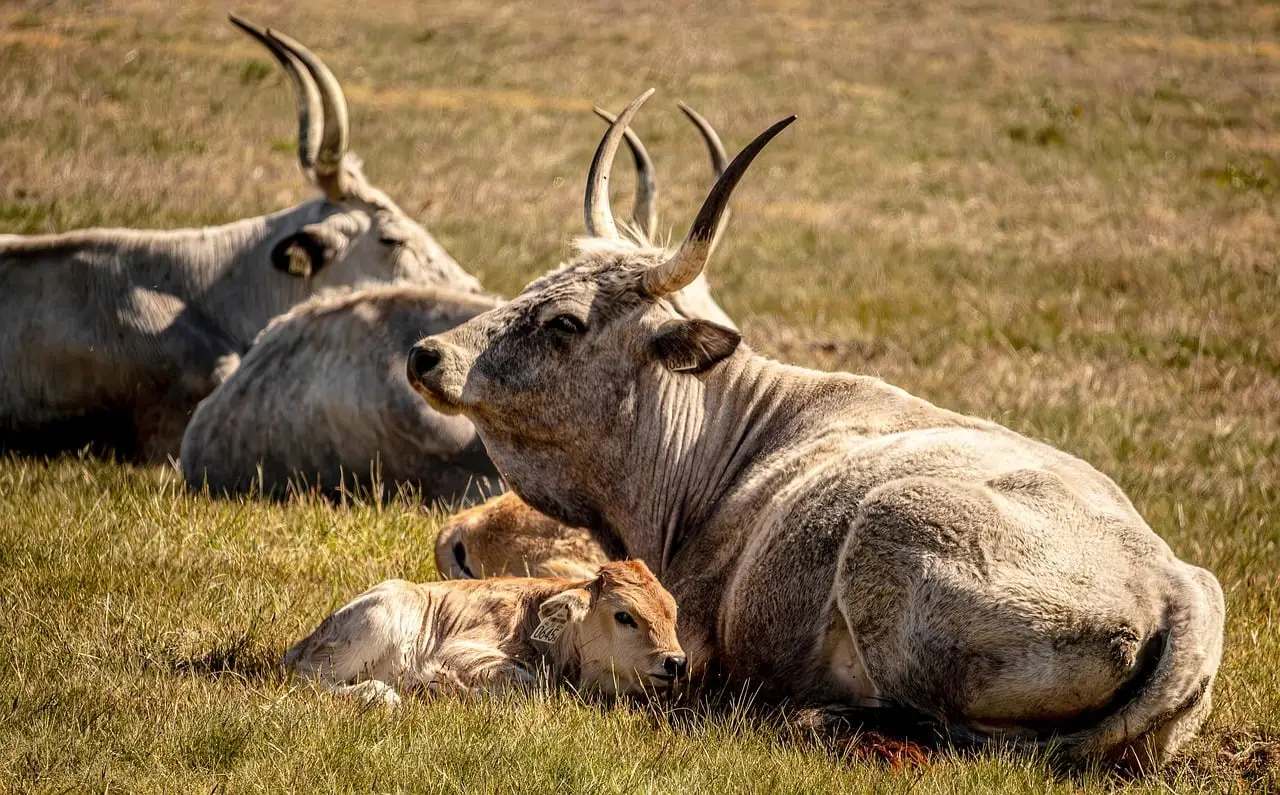
Photo: RonBerg / pixabay
Seven large animal veterinarians will share $890,000 in Virginia grants, the state's second round of funding aimed at a shortage that a September USDA report found has persisted across rural America for more than a decade.
The Virginia Department of Agriculture and Consumer Services (VDACS) and the Virginia Tobacco Region Revitalization Commission announced the awards November 6, 2026. VDACS funded four awards of $110,000 each; the commission funded three awards of $150,000 each in Southern and Southwest Virginia. The money will support hiring veterinarians, purchasing equipment, outfitting mobile veterinary units, and expanding haul-in capacity.
For context, a single award of $150,000 roughly matches what Wisconsin lawmakers proposed giving a recent graduate over six years of rural loan repayment — a scale that signals how expensive it is to build rural food animal capacity from scratch.
What did the USDA report find?
The USDA Economic Research Service examined counties designated as veterinary shortage areas under the federal Veterinary Medicine Loan Repayment Program (VMLRP). Roughly 81% of rural counties were included in a shortage area at least once between 2010 and 2026, compared with 62% of urban counties. The report classified 14% of US counties as persistent shortage counties because each was nominated nine or more times.
Designation alone did not deliver a veterinarian. Of the shortage areas announced in 2024, 31% were filled and 59% received no applications.
The economics are moving the wrong way. Average inflation-adjusted revenue for rural food animal and mixed animal practices fell 22% from 2021 to 2025, while revenue for urban practices of the same type rose 19%. Inflation-adjusted income for rural food animal veterinarians fell 19% from 2017 to 2024. The report cautions that some survey subsamples behind the income figures are relatively small.
The report also notes that with few practicing food animal veterinarians in most labor markets, a single retirement can have an outsized impact on veterinary service availability.
How severe is Virginia's shortage?
Virginia's state veterinarian has identified all areas of the commonwealth as having a shortage of large animal veterinarians. In a 2024 Virginia Farm Bureau survey, only 52% of the state's livestock producers said they were receiving adequate veterinary care.
A state workgroup that studied the shortage for two years recommended grant programs as one response. VDACS launched its program July 1, 2025. Grants can cover practice establishment or expansion, equipment and supplies, salary support for associate veterinarians or technicians, and student loan repayment.
"The rural veterinarian shortage is a complex problem with no easy solution," Thach Winslow, DVM, Virginia's large animal veterinary workforce coordinator, said in the announcement. Winslow said grants for current practitioners can produce quicker outcomes while the state works to improve the future pipeline of large animal veterinarians.
Several workgroup proposals remain unfinished. A regulatory action creating a pathway for haul-in large animal veterinary establishments was still in executive branch review as of the workgroup's January 2026 final report, which says the pathway would increase opportunities for licensed veterinary technicians to practice large animal medicine. A budget amendment to fund more seats for Virginia residents at the Virginia-Maryland College of Veterinary Medicine failed to pass.
What are other states trying?
Financial incentives are the common thread. In November 2025, Wisconsin lawmakers proposed a bipartisan bill offering recent veterinary graduates $25,000 in student loan repayment for each year of practice in a rural county, up to 4 years. The Assembly tabled the bill in February 2026, and it failed to pass the following month.
In December 2025, Texas Tech University's School of Veterinary Medicine announced a $250,000 USDA grant to back the school's first food animal residency program, designed to train educators in food animal medicine.
Other programs target recruitment at its source. At Clemson University's Harvey S. Peeler Jr. College of Veterinary Medicine, six students from South Carolina's Pee Dee region received scholarships covering tuition and living expenses. "We think it's important that students come from underserved areas because we think they'll return to underserved areas," Steven L. Marks, BVSc, MRCVS, DACVIM, the founding dean, told dvm360.
Where does the federal response stand?
For the 2026 VMLRP cycle, USDA used a record 243 veterinary shortage areas across 46 states, identified for fiscal year 2025. The program repays student loans for veterinarians who commit to three years of service in a designated shortage area. The next application period opens in February 2027, according to the Virginia announcement.
In Congress, the Rural Veterinary Workforce Act, reintroduced in March 2025, would end federal taxation of VMLRP awards. Neither the House nor the Senate bill has advanced beyond committee referral, according to Congress.gov.
The Economic Research Service report was prepared in response to USDA's Rural Veterinary Action Plan, announced in August 2025. With the next VMLRP window opening in February 2027, Virginia's second grant round offers an early test of whether direct practice investment can outperform loan repayment alone in counties where 59% of shortage designations drew no applicants.
Source: dvm360.com
Amara Osei
Show full bio
Correspondent covering companies, deals and strategy in Small- and large-animal clinical practice at The Vet Scope.
Related articles
Record 500+ US Counties Lack Food Animal Veterinarians
LSU program targets rural food animal veterinary shortage
Virginia Tech Commits $63 Million to Veterinary Teaching Hospital Expansion
WSU Lands Federal Grant Worth Up to $40 Million for Livestock Work
Michigan directs state grants to expand rural veterinary training