Virginia Tech Commits $63 Million to Veterinary Teaching Hospital Expansion
Virginia Tech will invest $63 million in expanding its veterinary teaching hospital, one of the largest capital commitments to vet education in the Mid-Atlantic in years.
Updated
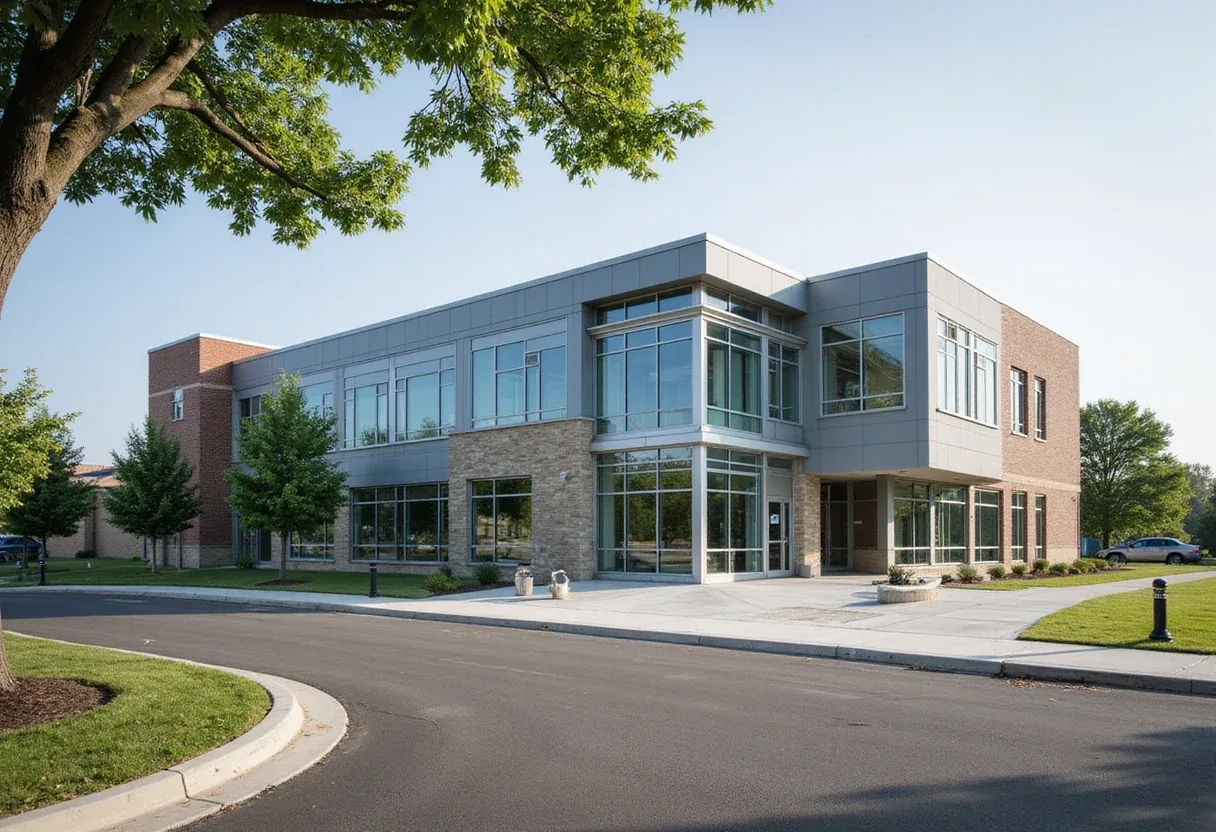
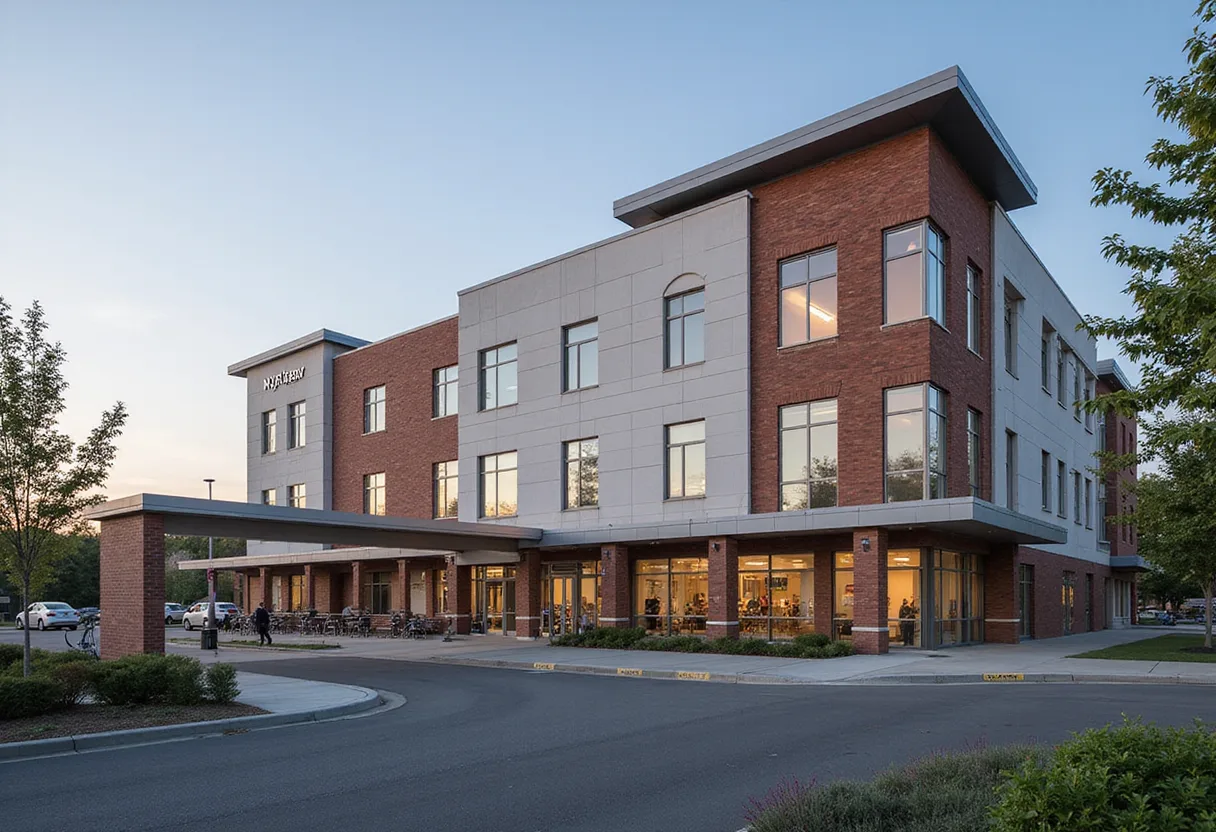
Photo: AI-generated
Virginia Tech will spend $63 million to expand its veterinary teaching hospital, Virginia Business reports. The project marks one of the largest capital commitments to veterinary education infrastructure in the Mid-Atlantic in recent years, and it arrives as the profession faces sustained pressure on clinical training capacity.
The announcement centers on the Virginia-Maryland College of Veterinary Medicine, the institution that trains veterinarians for both states. Teaching hospitals of this kind carry a dual mandate: they deliver referral-level care to animal owners across the region, and they serve as the primary clinical training ground for students and house officers. An expansion at this scale signals that Virginia Tech expects both caseload and class demand to grow.
What does a $63 million expansion buy?
For a veterinary teaching hospital, capital projects of this size typically translate into more exam rooms, more surgical and imaging suites, and more space for hospitalized patients across companion-animal and equine service lines. Virginia Business reports the expansion plan but did not detail the full square footage or a construction timeline in its announcement coverage.
The practice-level relevance is direct. Referral hospitals in the region compete for board-certified specialists and for caseload, and added capacity at an academic institution changes the referral map for private practices from Roanoke to the Washington suburbs. Practitioners who send complex cases to the teaching hospital can expect the institution to widen the range of services it accepts as the build-out proceeds.
Why the timing matters
Veterinary education has operated under a well-denticated bottleneck for years: applicant demand exceeds class seats, and clinical training space limits how many students a college can enroll and how much hands-on case exposure each student receives. Infrastructure investment is one of the slowest levers to move, because construction cycles run for years before a single additional student rotates through a new ward.
A $63 million commitment places Virginia Tech among institutions betting that the demand for veterinarians — in companion-animal practice, in food-animal and production medicine, and in public-health roles — will remain strong through the construction period and beyond. The Virginia-Maryland College of Veterinary Medicine serves a region where mixed rural and dense suburban practice creates demand across all three domains.
What comes next
Capital projects at public land-grant universities move through governing-board approval, design phases, and state procurement before ground breaks. Virginia Business framed the announcement as a plan, which positions the project at the front end of that sequence rather than at construction.
The figure to watch as the project advances is how the $63 million divides between new construction and renovation of existing clinical space, since that split determines how quickly caseload capacity can expand. For now, the announcement establishes the scale of intent: Virginia Tech has put a nine-figure-adjacent number behind growth in veterinary clinical training.
Source: Google News: Veterinary medicine
Daniel Okafor
Show full bio
News editor covering technology and product news in Small- and large-animal clinical practice at The Vet Scope.
Related articles
Virginia Tech Veterinary Teaching Hospital Set for $63M Renovation
Virginia Tech Veterinary Teaching Hospital Expansion Set for 2027
UT Veterinary College Commits $72M to Expansion Amid Care Demand Surge
Oklahoma State Selects Site for $330 Million Veterinary Teaching Hospital
University of Maryland-Eastern Shore to Open Veterinary School in 2027