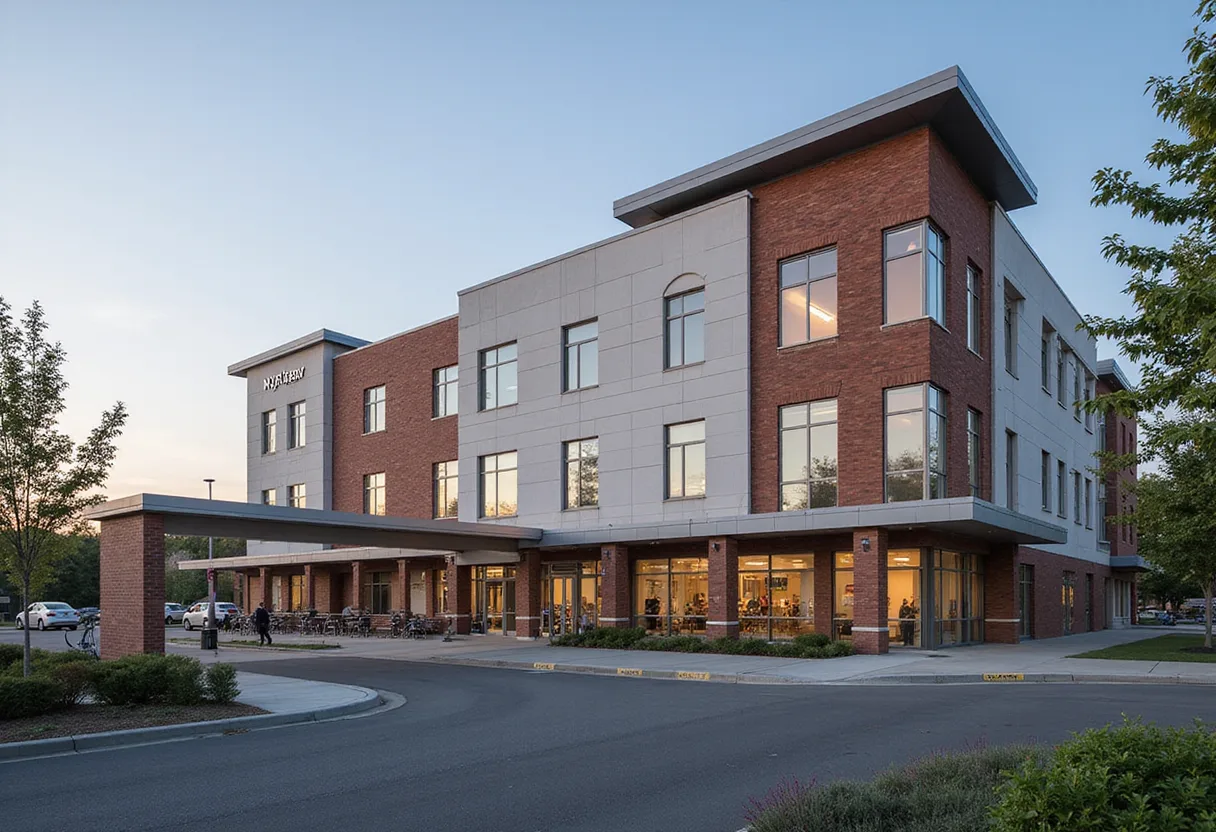
Virginia Tech Veterinary Teaching Hospital Set for $63M Renovation
A $63 million renovation of Virginia Tech's Veterinary Teaching Hospital moves forward, ranking the Blacksburg project among the larger public vet academic upgrades of the last decade.
Updated
A $63 million renovation of Virginia Tech's Veterinary Teaching Hospital is moving forward, ending a wait that the headline alone — "finally" — frames as years-long for one of the Mid-Atlantic's three public veterinary academic centers.
The figure, reported by Vet Candy, places the Blacksburg, Virginia–based facility in the upper band of publicly tracked veterinary hospital capital projects. For a hospital that doubles as a referral center for regional practitioners and a clinical training site for the Virginia-Maryland College of Veterinary Medicine's DVM students, $63 million translates into building area, equipment replacement, and clinical capacity that the existing structure has not supported at scale.
What does $63 million mean for a vet construction project?
In veterinary construction terms, $63 million ranks above a routine clinical refresh and below a full greenfield academic medical center. Comparable mid-Atlantic referral-and-teaching hospital expansions over the last decade have landed in the $40–$50 million range, putting the Virginia Tech project roughly 25–50% larger in capital terms.
By unit cost, a $63 million build applied to a typical 100,000-square-foot teaching hospital footprint yields an order-of-magnitude construction cost near $630 per square foot — high for veterinary construction and consistent with academic-medical-grade builds that include imaging suites, surgical theaters, and isolation capacity.
Why does a teaching hospital matter for practicing DVMs?
Veterinary teaching hospitals function as three operations stacked on one campus: referral destinations for specialty cases, primary care clinics for surrounding communities, and clinical rotation sites for DVM students. Each graduating class requires hands-on exposure to internal medicine, surgery, emergency, radiology, and specialty disciplines that community practices rarely host at the same density.
When a teaching hospital's facilities fall behind, the bottleneck appears first in caseload capacity, then in caseload complexity. Practicing veterinarians in Virginia, West Virginia, and the Carolinas — the typical referral catchment for Blacksburg — have historically routed complex cases across multiple state lines when in-state academic slots could not.
What changes for regional practitioners?
For Virginia practitioners specifically, a renovated teaching hospital translates to three practice-level effects once it reopens. First, expanded specialty services reduce out-of-state referral travel for owners — a meaningful change for equine and food-animal caseloads where transport is a welfare issue. Second, updated teaching laboratories affect the clinical skills of new graduates entering local practices within two to four years of reopening. Third, renewed diagnostic capacity may shorten turnaround on cases that today ship to out-of-region academic centers.
The dollar figure alone, however, does not specify the renovation timeline, departmental scope, or commissioning date — details that practitioners and referring veterinarians typically request before adjusting referral patterns.
What remains unconfirmed
The available reporting does not specify a construction start date, completion target, donor mix, or the service lines prioritized in the redesign. Veterinary practitioners planning logistics, and prospective DVM cohorts evaluating the 2026–2027 admissions cycle, will need those specifics from Virginia Tech directly.
Watch the university's official facilities plan release and the next state capital appropriations cycle — those documents will convert the headline number into dates that matter at the exam table.
Source: Google News: Veterinary medicine
Amara Osei
Show full bio
Correspondent covering companies, deals and strategy in Small- and large-animal clinical practice at The Vet Scope.
Related articles
Virginia Tech Commits $63 Million to Veterinary Teaching Hospital Expansion
Virginia Tech Veterinary Teaching Hospital Expansion Set for 2027
Oklahoma State Selects Site for $330 Million Veterinary Teaching Hospital
UT Veterinary College Commits $72M to Expansion Amid Care Demand Surge
UC Davis Veterinary School Receives Record $120 Million Gift