Oregon Confirms First HPAI Detection in Dairy Cattle
Oregon confirmed its first HPAI detection in dairy cattle on November 10, 2026, after routine milk surveillance flagged a Morrow County herd. The dairy is quarantined; no human cases reported.
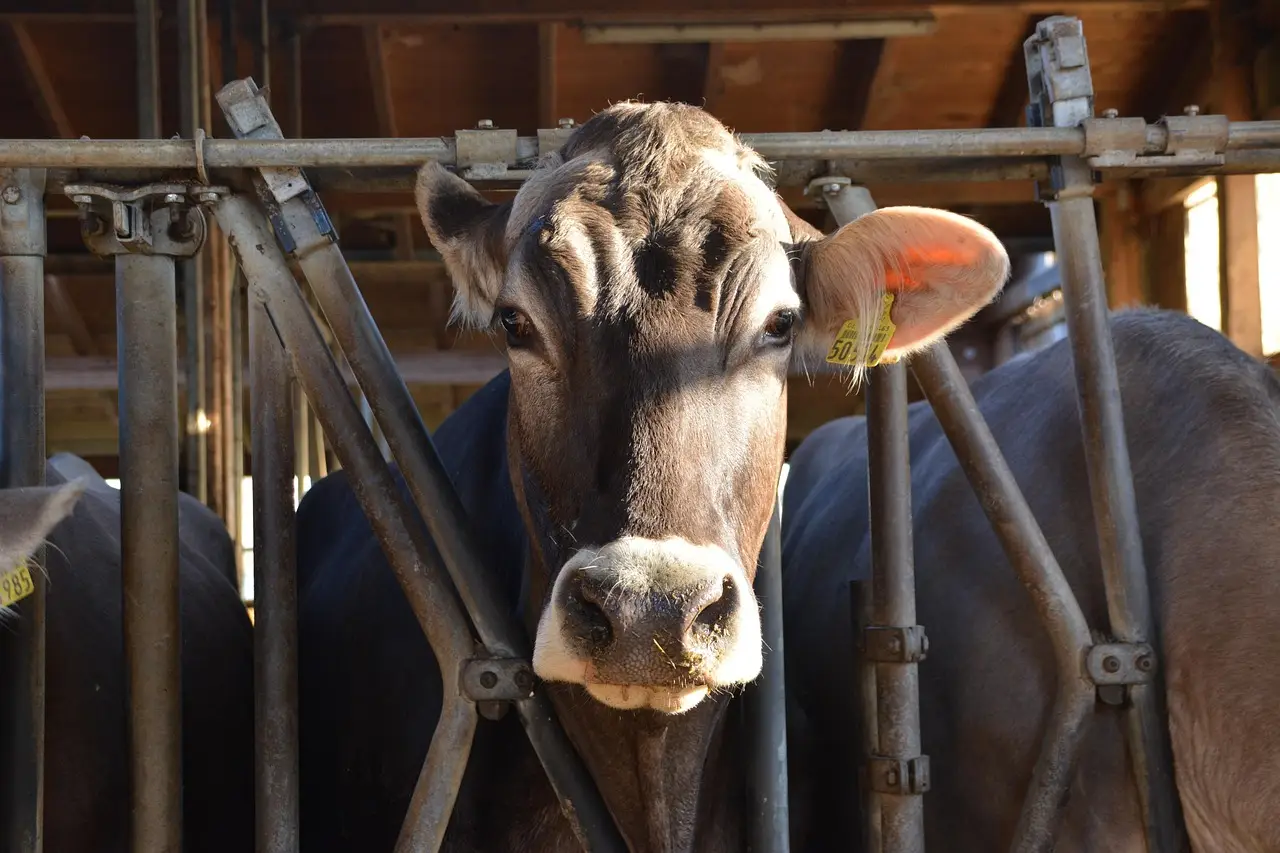
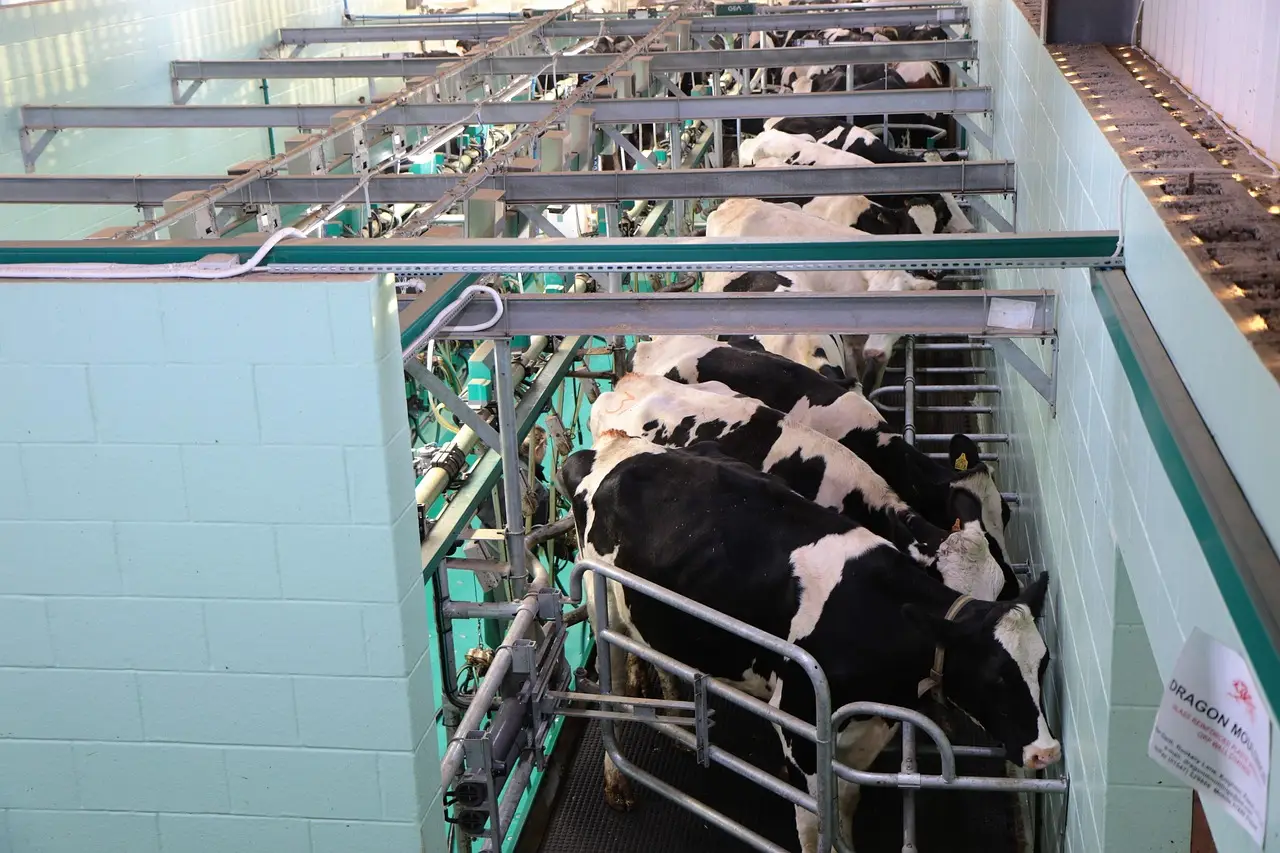
Photo: Kevinsphotos / pixabay
Milk from a Morrow County, Oregon dairy has tested positive for highly pathogenic avian influenza (HPAI), marking the first detection of the virus in Oregon dairy cattle. USDA's National Veterinary Services Laboratory (NVSL) confirmed the positive result on November 10, 2026, four days after the Oregon Veterinary Diagnostic Laboratory (OVDL) at Oregon State University reported the preliminary finding on November 6.
The case did not arrive through a sick-cow call. Oregon's routine statewide milk surveillance program — launched in December 2024 and testing milk from all licensed dairy operations — caught the signal first. The Oregon Department of Agriculture (ODA) opened an on-farm investigation the same day it received the preliminary result and shipped samples to NVSL for confirmation. No additional affected dairies have been identified at this time.
What happens on the farm now?
ODA has placed the affected dairy under quarantine. The order restricts animal movement and adds disease control measures while response activities run, focused on the impacted operation and the associated epidemiologic investigation. In most cases, infected dairy cows are expected to recover within a few weeks; ODA notes most infected cattle recover within two to three weeks.
The agency is coordinating with USDA, the Oregon Health Authority (OHA), Morrow County public health officials, OVDL and Oregon dairy industry partners as the investigation continues.
"While this detection is significant, it is not unexpected given the continued spread of HPAI among dairy cattle nationally," said Dr. Ryan Scholz, State Veterinarian for ODA. "Oregon's milk surveillance program worked exactly as intended, identifying this infection quickly and allowing us to respond rapidly with our state and federal partners. This detection demonstrates the value of the monitoring and preparedness efforts supported by Oregon's dairy industry and animal health partners since 2024."
What should practitioners look for?
According to ODA, clinical signs in dairy cattle can include:
- Decreased feed consumption with a simultaneous drop in rumination and rumen motility
- Respiratory signs, including clear nasal discharge
- Acute drop in milk production
- Abnormal tacky or loose feces
- Lethargy
- Dehydration
- Fever
- Thicker, more concentrated, colostrum-like milk, or no milk production in severely affected animals
Some infected cattle show no clinical signs at all, which is why milk surveillance — not clinical reporting alone — carries the early-detection load. Suspected cases of HPAI in any animal species should be reported immediately to ODA at 503-986-4711. USDA posts current information on HPAI detections in livestock.
Is the milk supply safe?
Pasteurized milk and dairy products remain safe to consume, and ODA reports no concern about the safety of the commercial milk supply. Pasteurization effectively inactivates the HPAI virus, and milk from sick animals is prohibited from entering the commercial supply. The U.S. Food and Drug Administration continues to advise against consuming raw, unpasteurized milk because it skips the heating step that kills viruses and bacteria.
What is the risk to people?
Public health officials are educating farm workers exposed to infected animals and will monitor them for avian influenza symptoms throughout the outbreak. "With the use of appropriate personal protective equipment, the risk to farm workers remains low. Our public health approach is focused on ensuring rapid testing and treatment for any individuals who develop symptoms to prevent severe disease," said Melissa Sutton, M.D., medical director of respiratory viral pathogens at OHA.
No human cases associated with this incident have been identified in Oregon. OHA and the Centers for Disease Control and Prevention place the current public health risk to the general population at low, and no person-to-person transmission associated with this virus has been identified.
HPAI was first detected in U.S. dairy cattle in March 2024 and has since spread to multiple states. Oregon's surveillance program, built with the cooperation of the state's dairy producers, was designed for exactly this scenario: detect early, respond fast. As the investigation continues, ODA is counting on continued producer participation in surveillance, disease reporting and biosecurity to keep further detections — and further quarantines — to a minimum.
Source: morningagclips.com
Grace Kim
Show full bio
Staff writer covering regulation, policy and their impact on Small- and large-animal clinical practice at The Vet Scope.