HPAI Spread: 35 Poultry Outbreaks and 48 Dairy Cases in 30 Days
USDA confirms 35 poultry outbreaks across 17 states and 48 dairy cattle HPAI cases in 30 days as wild birds migrate south; Pennsylvania's state veterinarian urges indoor housing.
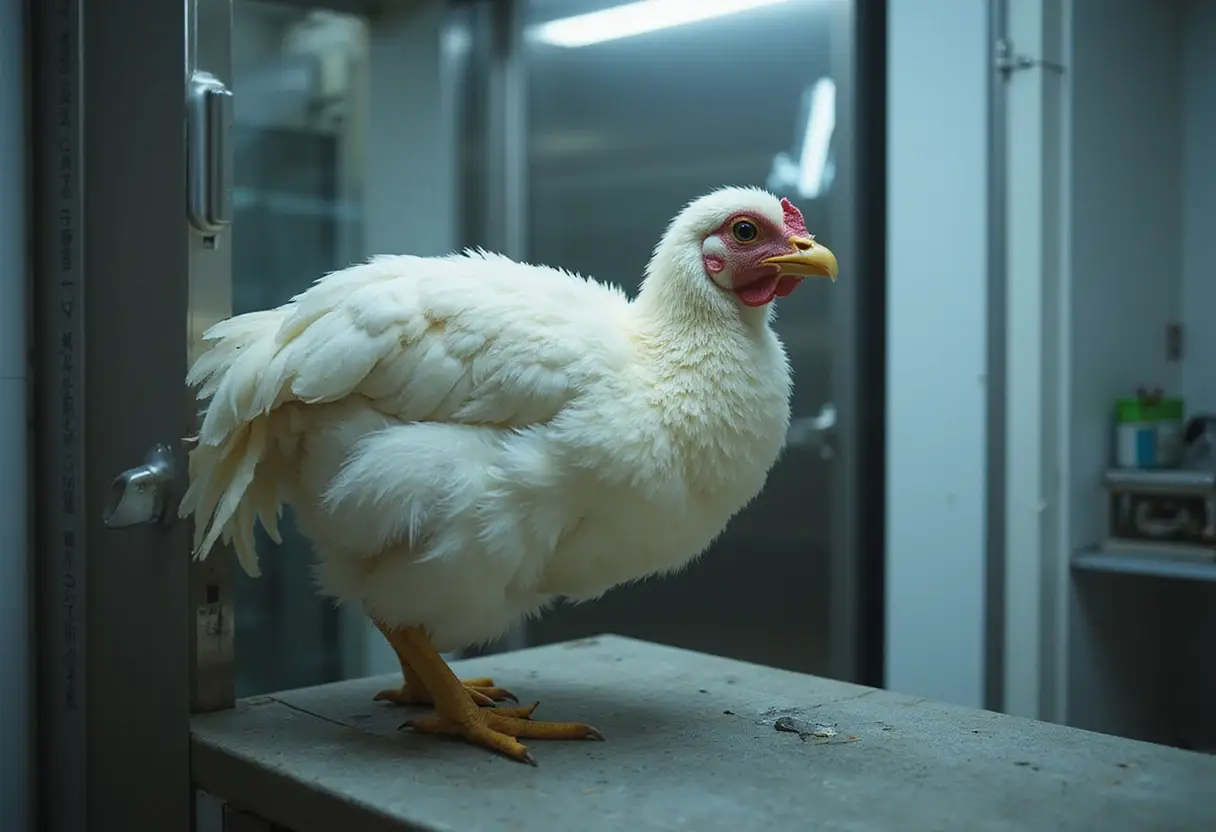
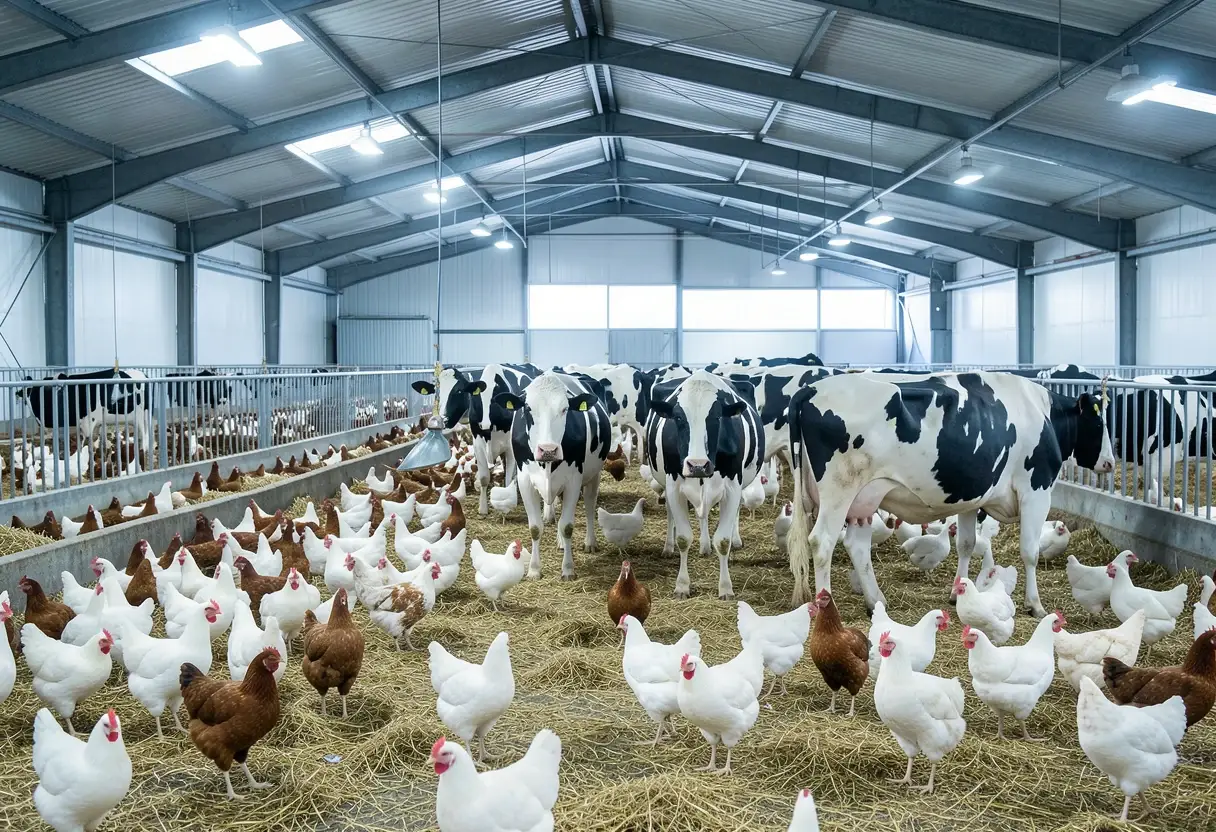
Photo: AI-generated
Wild bird migration has brought 12 commercial and 23 backyard poultry outbreaks of highly pathogenic avian influenza across 17 states in the last 30 days, according to USDA confirmation data covering the stretch from the West Coast through the Midwest.
The same 30-day window added 48 confirmed HPAI cases in dairy cattle, with the majority of those detections in Washington. Additional dairy cases were confirmed in Colorado, Kansas, Texas, and Indiana. The United States Department of Agriculture maintains the running lists of confirmations by species at its APHIS H5N1 detection page.
California, Illinois, and Minnesota have reported the heaviest poultry activity during this period. The pattern follows the seasonal southward movement of wild birds, which carry the virus along migratory flyways and shed it into the environment surrounding commercial and backyard flocks alike.
What does the current map look like?
The USDA tally separates detections by species, and the current update carries two distinct storylines. Poultry outbreaks span 17 states, mixing commercial operations and backyard flocks in nearly equal proportion. Dairy cattle detections cluster geographically, with Washington accounting for most of the 48 cases.
For practitioners in affected regions, that split matters. Backyard flock owners often lack the biosecurity infrastructure of commercial integrators, and dairy herds present a different surveillance challenge than poultry houses. The takeaway: both production sectors are active outbreak fronts right now.
Where does Pennsylvania stand?
No cases have been confirmed in Pennsylvania poultry flocks or dairy operations as of this update. The virus has nonetheless been confirmed in wild birds throughout the state, which keeps the risk profile live even without a single domestic detection.
The Pennsylvania state veterinarian is recommending that poultry be kept indoors. That single measure cuts direct contact between domestic birds and migrating waterfowl, the primary route of introduction for the virus into a flock. The takeaway: indoor housing is now the standing official recommendation in Pennsylvania, not an optional precaution.
What should producers and their veterinarians do now?
Maintaining recommended biosecurity practices will reduce the risk of HPAI and other diseases, according to the update. For Pennsylvania producers, Penn State Extension offers biosecurity education and plan development support, with poultry and dairy educators available through each county's extension office. General HPAI information is published on the Penn State Extension website at extension.psu.edu/avian-influenza.
Practical biosecurity steps that follow the update's guidance:
- Keep poultry indoors, per the state veterinarian's recommendation
- Maintain recommended biosecurity practices as a routine, not a reaction
- Contact your county Penn State Extension office to connect with a poultry or dairy educator for plan development
- Monitor the USDA APHIS H5N1 detection page for confirmations in your state and species
The public-health dimension remains implicit in the surveillance structure itself: USDA tracks detections across poultry, dairy cattle, and wild birds on a single national ledger, and any shift in that distribution changes the exposure picture for farm workers and rural communities.
What comes next?
Migration will continue through the winter months, so the flow of new detections along southern flyways should be expected rather than treated as a surprise. Veterinarians serving poultry and dairy clients in states between the current outbreak zones and the Gulf Coast should expect client questions on housing, movement, and biosecurity planning in the weeks ahead, and the USDA confirmation list will remain the definitive record of where the virus has landed.
Source: morningagclips.com
Elena Vasquez
Show full bio
Market editor covering money, funding and market shifts around Small- and large-animal clinical practice at The Vet Scope.