Wisconsin Confirms HPAI in Backyard Flock; Rusk County Birds Depopulated
DATCP confirmed HPAI in a Rusk County backyard flock; birds were depopulated and a 10-km surveillance zone may follow. Biosecurity guidance inside.
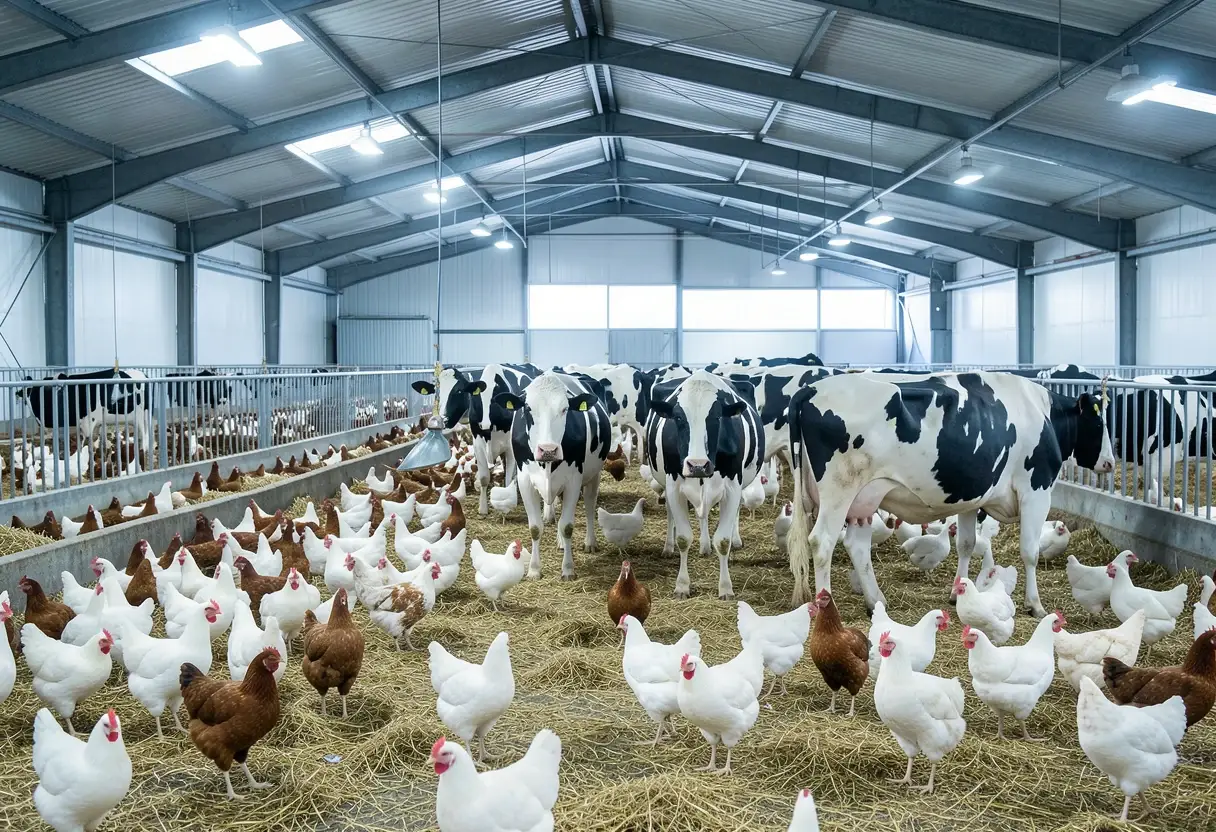
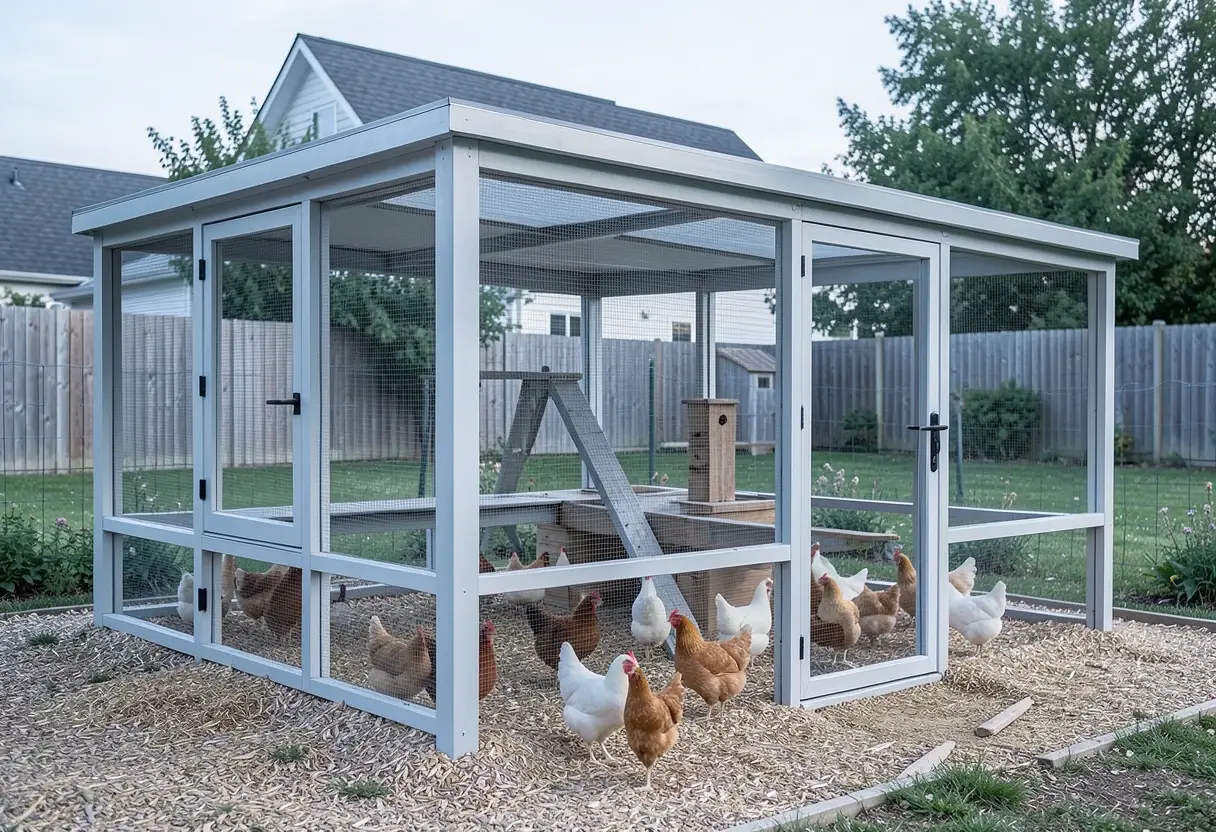
Photo: AI-generated
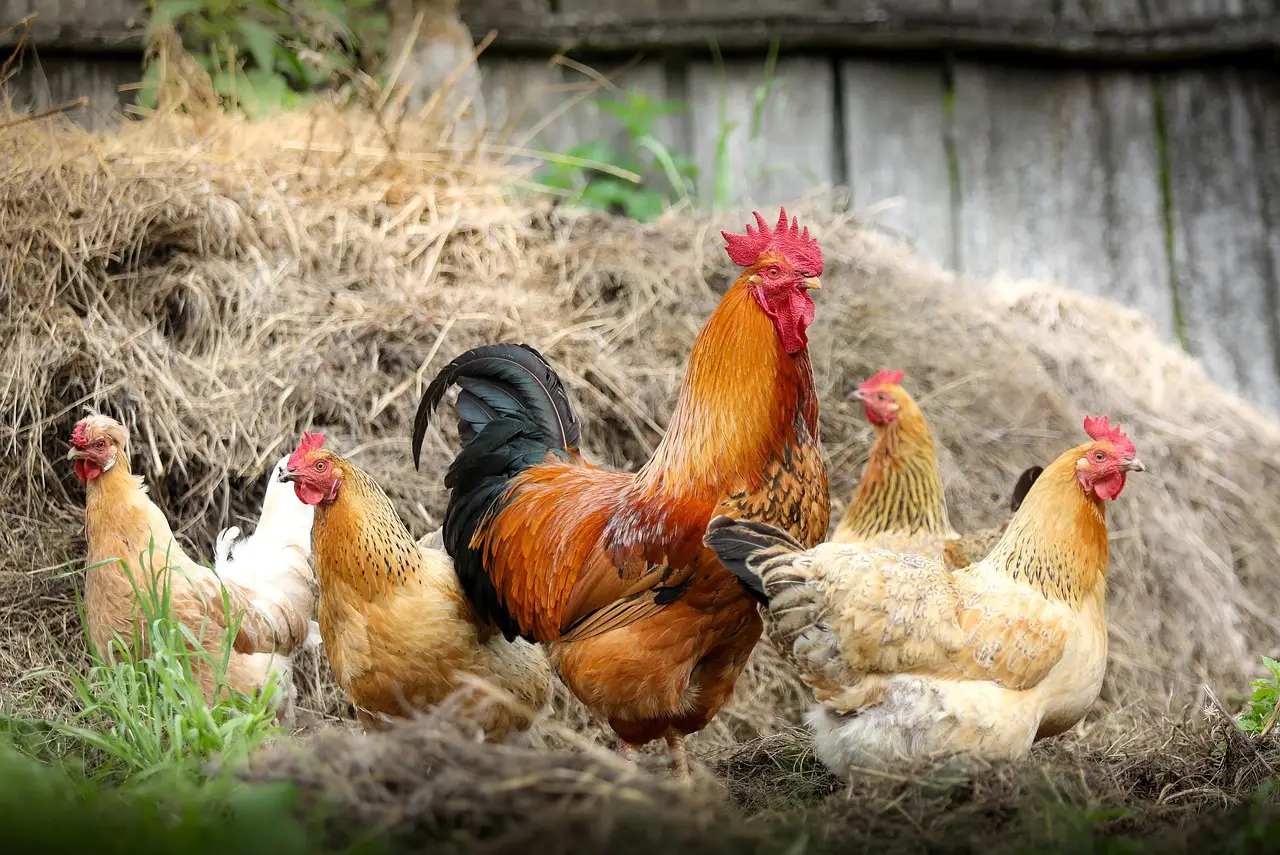
The Wisconsin Department of Agriculture, Trade and Consumer Protection (DATCP) has confirmed highly pathogenic avian influenza (HPAI) in a backyard poultry flock in Rusk County. Birds on the affected premises were depopulated, and none will enter the food system.
The announcement matters for every livestock practice in the state. The virus has circulated continuously in wild and domestic birds across North America since December 2021, and it has since spread into mammalian species as well. DATCP is working with USDA on testing, biosecurity outreach, and producer resources. For practitioners, the case is a reminder that backyard flocks remain the front line of detection.
HPAI viruses, caused by influenza type A, are highly contagious and often fatal to domestic poultry. Severity varies with the strain and the species affected. Transmission runs through several channels that clients can control:
- direct contact with infected birds;
- commingling with wild birds or exposure to their droppings;
- shared equipment;
- clothing worn by anyone working with the animals.
That list defines the biosecurity conversation DATCP wants every livestock owner to have now.
What does DATCP ask flock owners to do?
The department urges all livestock owners to implement strong biosecurity measures. The specifics are concrete and repeatable at the farm gate:
- wash hands;
- disinfect equipment;
- restrict access to animals;
- separate new additions to the flock or herd for at least 30 days.
Poultry owners are asked, when possible, to keep their birds indoors. Thirty days of separation for new arrivals and indoor housing are the two measures most likely to interrupt transmission on small operations. The takeaway for practitioners: biosecurity advice needs to reach backyard owners, not just commercial producers.
What happens around an infected premises?
When HPAI turns up in a backyard flock, animal health officials evaluate risk factors on surrounding properties. A 10-kilometer surveillance zone may be implemented around the infected premises. The zone carries no movement restrictions for neighboring poultry operations, a point worth stating plainly to worried clients.
DATCP offers an online mapping tool that lets poultry owners check whether their birds sit inside an active control area or surveillance zone. Veterinarians fielding calls from Rusk County and adjacent areas can point owners to that tool as a first step.
Premises registration and reporting duties
State law requires all Wisconsin livestock owners to register the premises where their animals are kept, and poultry count as livestock under that definition. Registration exists for one practical reason: it lets animal health officials reach flock and herd owners quickly during an outbreak. Unregistered premises slow that communication to a crawl.
Owners who see increased mortality or signs of illness in domestic birds, dairy cattle, or other animals should follow the instructions on DATCP's Animal Disease Reporting webpage. The department also maintains an HPAI in Poultry webpage with updates on domestic bird infections in Wisconsin and resources for protecting flocks.
Why dairy veterinarians should care too
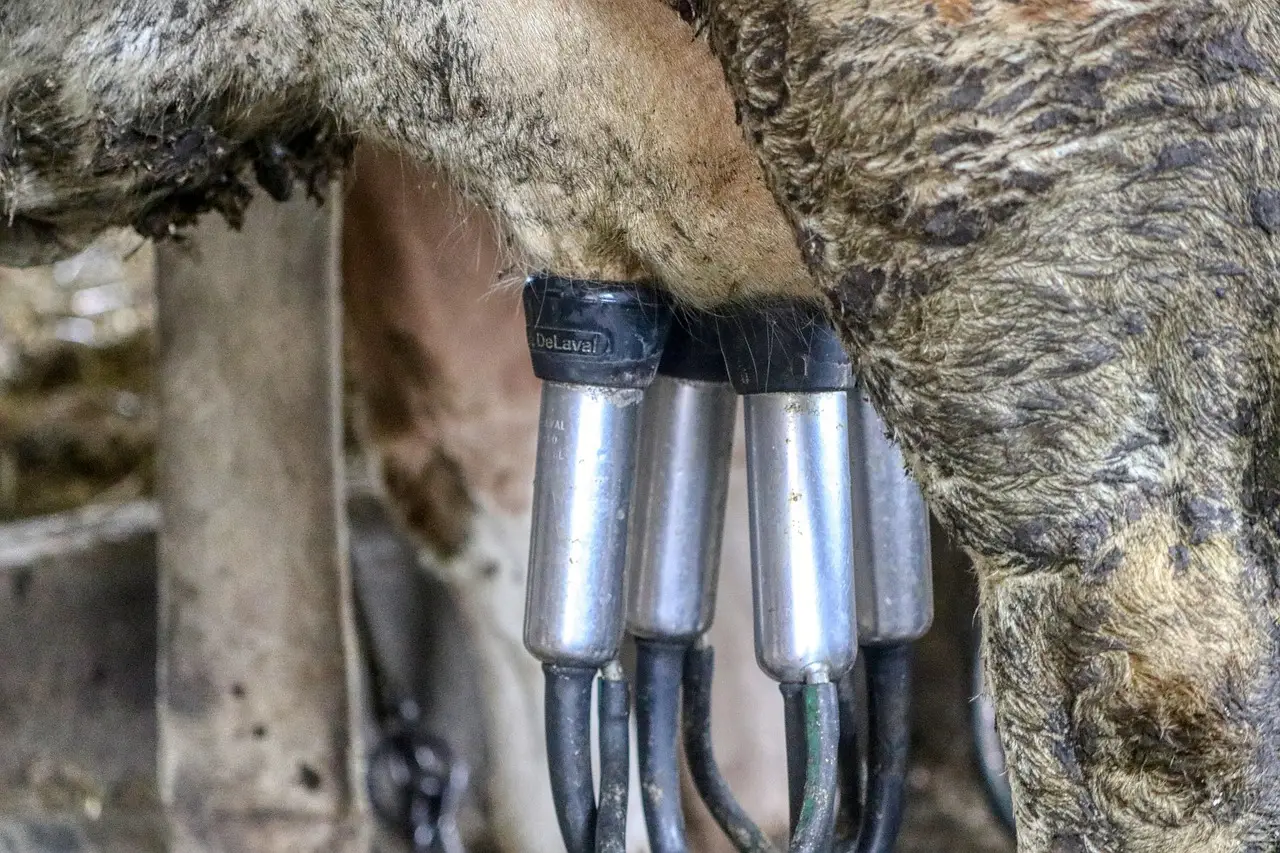
Since December 2021, the same virus has affected mammalian species, including dairy cattle elsewhere in the country. DATCP operates a dedicated HPAI in Dairy Cattle webpage with national updates and Wisconsin-specific guidance for protecting herds. The Rusk County case sits inside that larger picture of a virus that no longer respects the bird-mammal boundary.
For now, the immediate asks are unchanged: report unusual mortality, check the surveillance-zone map, and tighten biosecurity before the next premises is affected.
Source: morningagclips.com
Elena Vasquez
Show full bio
Market editor covering money, funding and market shifts around Small- and large-animal clinical practice at The Vet Scope.