Oregon becomes 22nd state with HPAI in dairy cattle
Oregon is the 22nd state with HPAI in dairy cattle, APHIS confirmed, as Washington reports 33 infected herds in Yakima County and the first US avian influenza death in a year.
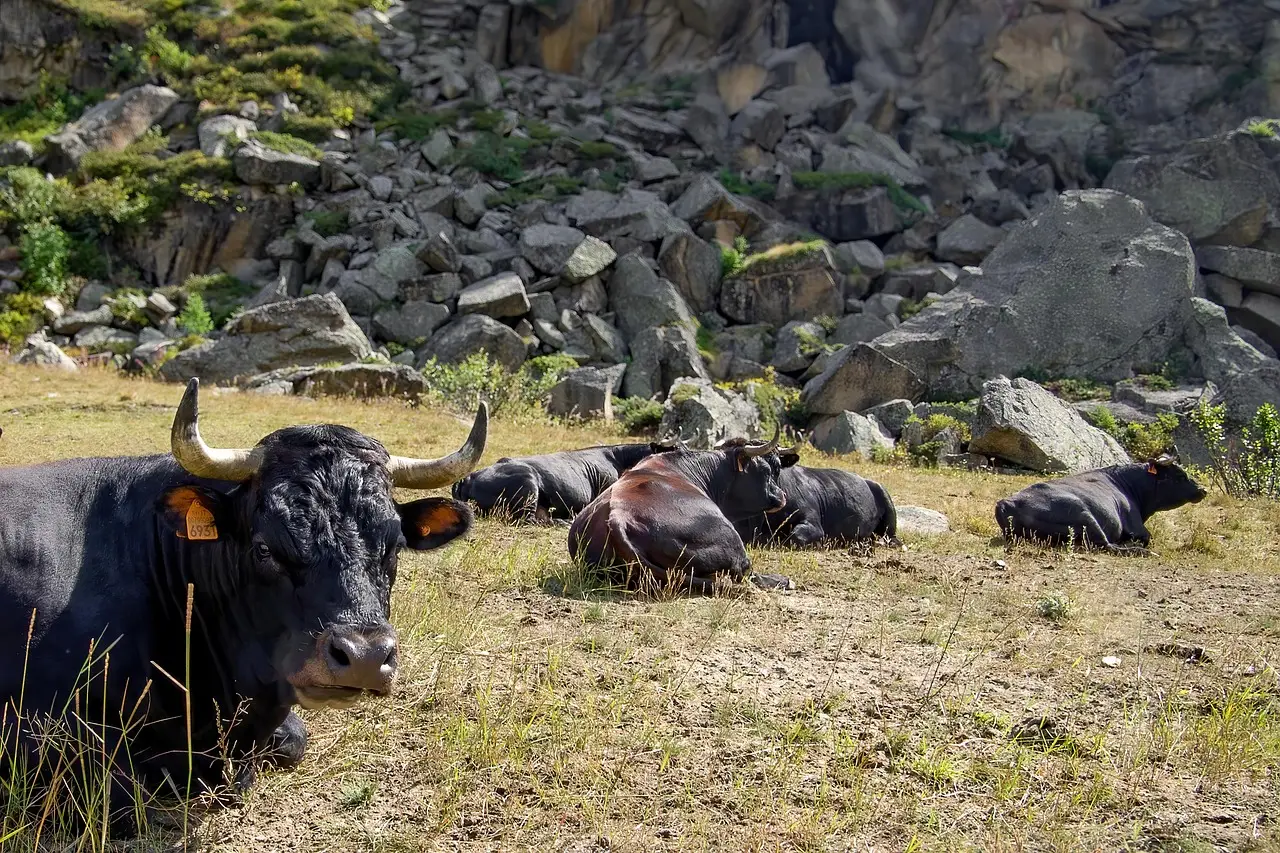
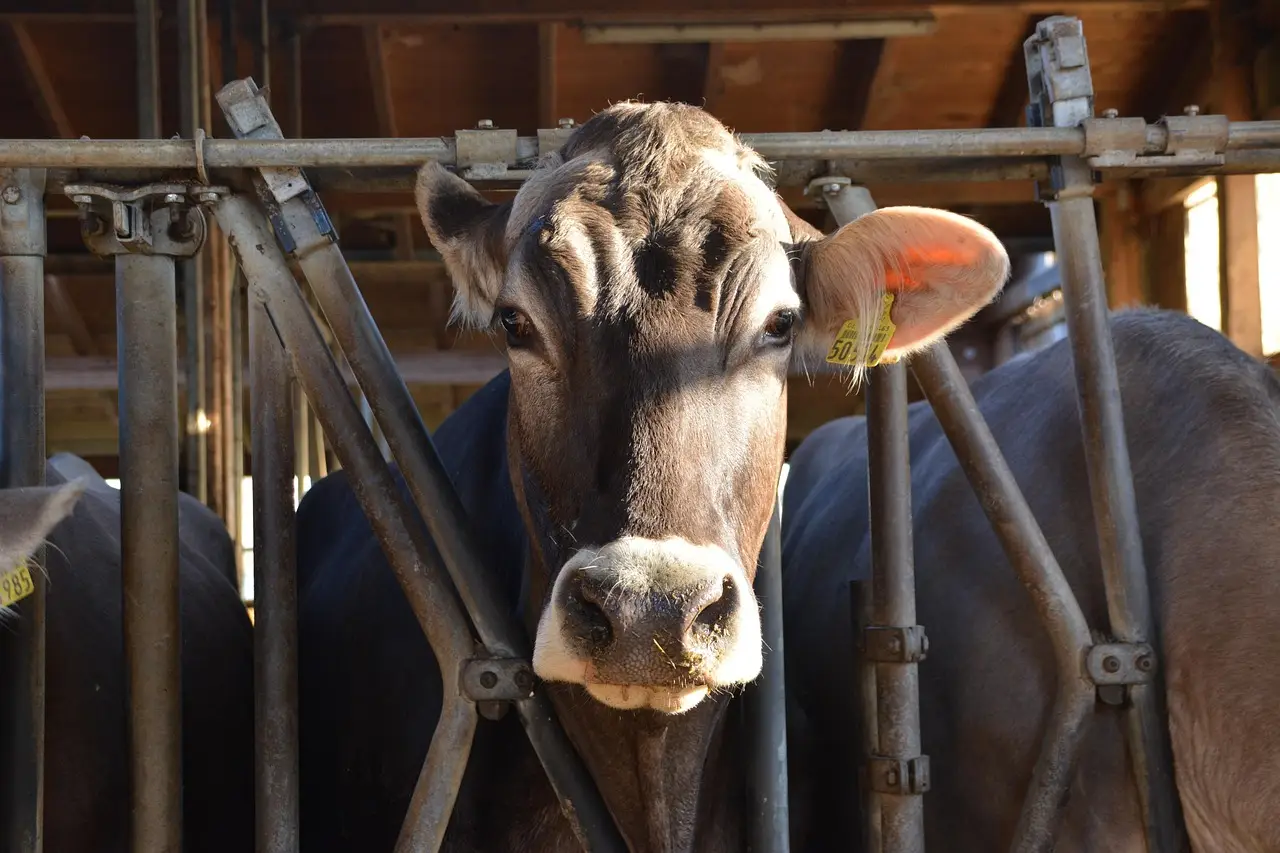
Photo: b_chris / pixabay
Oregon has confirmed highly pathogenic avian influenza in a dairy herd for the first time, federal officials announced Tuesday, making it the 22nd US state with infected cattle — and the third new state since early October, after Washington and Indiana.
The detection landed eight days after Oregon agriculture officials said, on November 2, that they had no confirmed or suspected cases in dairy cattle, and while the state was still listed as unaffected under the federal milk testing program. The US Department of Agriculture's Animal and Plant Health Inspection Service (APHIS) did not disclose where in Oregon the herd is located or whether it is connected to other infected herds.
The herd was identified through Oregon's ongoing surveillance for the virus in dairy cattle and had consistently tested negative before this detection, APHIS said in a news release. Federal laboratory testing identified HPAI H5 clade 2.3.4.4b in the Oregon animals. APHIS said it will announce genetic sequencing results when they are available.
What is happening next door in Washington?
Washington confirmed its first infected dairy herds on October 8. Since then, the outbreak has climbed into the dozens: Yakima County officials have reported 33 infected herds, and the Washington State Department of Agriculture has confirmed the virus in a Benton County herd found through routine surveillance before cows became ill, according to the Associated Press.
Three people in Washington have been infected after exposure at dairies with infected cattle. One of them — a Yakima County resident with underlying health conditions — was hospitalized and died November 1. It was the first US avian influenza death in a year. A CDC spokesperson told the AP the agency found no changes in that patient's virus that would make it spread more easily or cause more severe illness.
Sequencing of the first Washington herds — tested after cattle showed clinical signs — found H5N1 genotype B3.13, the strain behind most US dairy herd cases. APHIS said those detections were consistent with transmission from Idaho, likely through cattle movement.
For context on the timeline: the dairy cattle outbreak began in March 2024, and APHIS said it has seen cases in previously unaffected states this year. Indiana confirmed its first infected dairy herd on November 2, found through routine milk testing.
What changes for producers and veterinarians?
APHIS said the Oregon detection does not change USDA's HPAI eradication strategy. The agency recommends enhanced biosecurity on all dairy farms and urged producers to report livestock with clinical signs — or unusual sick or dead wildlife — to their state veterinarian.
APHIS is working with the Oregon Department of Agriculture on additional on-farm investigations, diagnostic testing, and epidemiological data collection.
On the food-safety side, the agency was direct: "The U.S. Food and Drug Administration is confident that pasteurization is effective at inactivating HPAI virus, and that the commercial, pasteurized milk supply is safe," APHIS said in its announcement.
What is the risk to veterinary staff?
The CDC considers the risk to the general public low. People with job-related or recreational exposure to infected birds or mammals face higher risk, and the agency's worker-safety guidance explicitly lists veterinarians and veterinary staff among those who may be exposed.
That guidance recommends high-exposure personal protective equipment for tasks such as contact with potentially infected animals or their raw milk — a direct operational instruction for dairy practitioners in Oregon, Washington, Indiana, and any state where surveillance may surface the next first detection.
With three new states added since October and sequencing results on the Oregon herd still pending, the geographic footprint of H5N1 in dairy cattle is still expanding faster than it is contracting.
Source: dvm360.com
Amara Osei
Show full bio
Correspondent covering companies, deals and strategy in Small- and large-animal clinical practice at The Vet Scope.