H5N1 Avian Influenza Detected at Maryland Commercial Broiler Operation
Routine surveillance detected H5N1 at a Worcester County broiler operation. The flock is quarantined and being depopulated; USDA confirmatory results are expected within days.
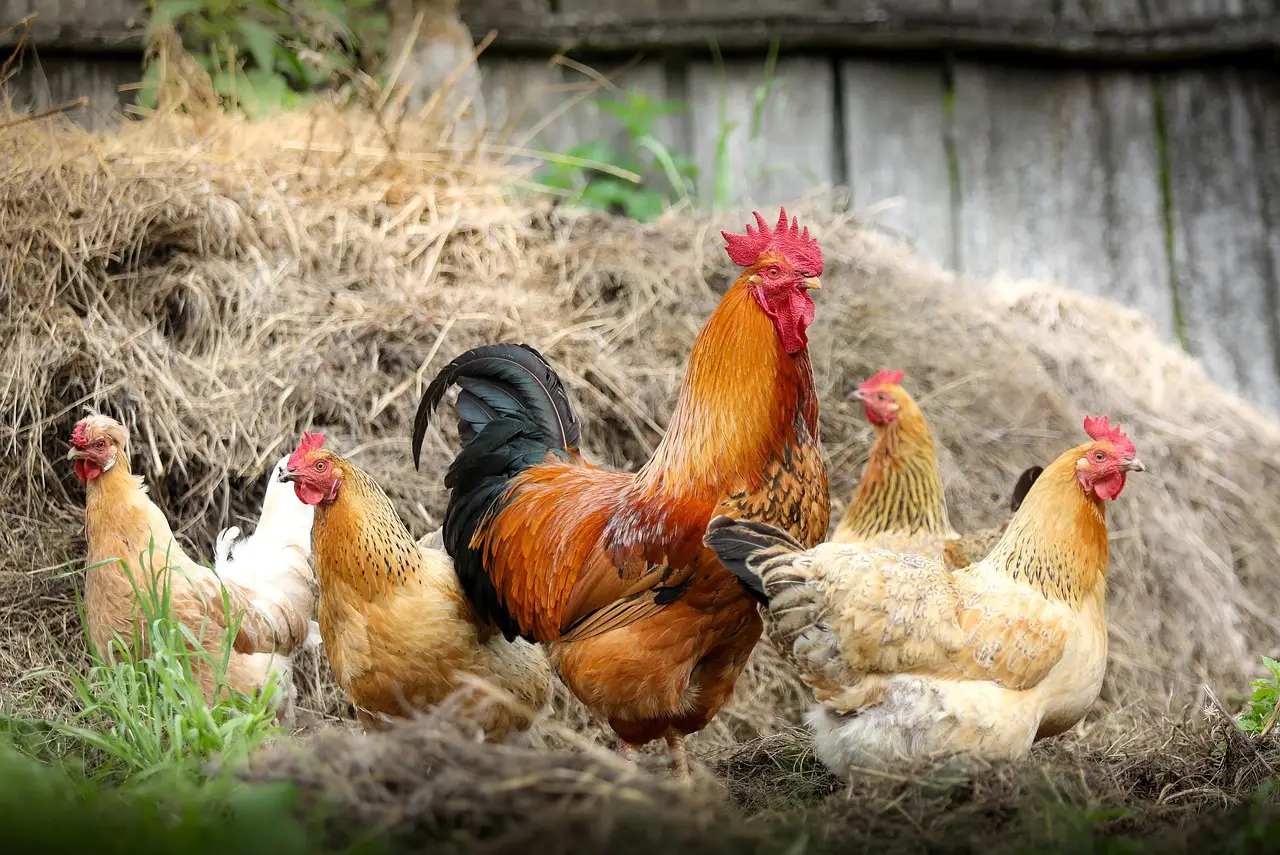
Photo: Artem Beliaikin / unsplash
State laboratory testing has detected highly pathogenic H5N1 avian influenza (HPAI) in poultry at a commercial broiler operation in Worcester County, Maryland, the Maryland Department of Agriculture announced from Annapolis. Routine surveillance identified the presumptive positive, and the affected property is now under quarantine while the flock undergoes depopulation to halt further spread.
Birds from the affected flock will not enter the food supply chain, the department stated. The U.S. Department of Agriculture's National Veterinary Services Laboratories (NVSL) is running confirmatory testing, with final results expected in the coming days.
What did state officials say?
Maryland Department of Agriculture Secretary Kevin Atticks addressed both consumers and producers in a direct statement: "Poultry meat and egg products remain safe to consume, but avian influenza continues to pose a serious threat to animal health. It is critical that all commercial growers and backyard flock owners maintain strict biosecurity protocols and report any signs of illness immediately. Our department, along with our state and federal partners, is monitoring the situation closely to protect Maryland's agricultural community."
The Maryland Department of Health separately emphasized that the risk of transmission to the general public remains low.
The message splits cleanly into three audiences: consumers face no food safety concern, commercial growers face an immediate operational threat, and the general public faces low infection risk.
How does the virus move between flocks?
Avian influenza is a highly contagious respiratory virus that spreads rapidly among birds through nasal secretions, saliva and manure, according to the department. The virus travels easily between flocks via wild birds, direct contact with infected poultry, or contaminated equipment, clothing and footwear.
Susceptible domestic species include chickens, ducks and turkeys. Wild species such as geese, shorebirds and raptors also carry and spread the virus, which makes wildlife contact a standing route of introduction for any premises.
What biosecurity steps does MDA require?
The department urged commercial operators and domestic bird owners to monitor flock health, learn the warning signs of avian illness, and check birds regularly. Specific practices include:
- Clean and disinfect transportation. Avoid walking or driving trucks, tractors and equipment through areas with waterfowl or wildlife feces. If contact is unavoidable, clean shoes, vehicles and equipment thoroughly before returning to the flock.
- Remove loose feed. Clear spilled or uneaten feed promptly and keep storage units secure and free of holes, so wild birds, rodents and insects do not gather. Wild birds can carry HPAI.
- Keep visitors to a minimum. Allow only those who care for the poultry to contact the birds, including family and friends, and ensure every visitor follows biosecurity principles.
- Wash hands before and after contact with live poultry. Use soap and water. Remove manure, feathers and other material from hands before applying sanitizer, because disinfectants do not penetrate organic matter or caked-on dirt.
- Provide disposable boot covers or disinfectant footbaths. Scrub all droppings, mud and debris from boots with a long-handled brush before stepping into a footbath, and keep the bath clean.
- Change clothes when entering poultry areas and when exiting the property. Visitors should wear protective outer garments or disposable coveralls, boots and headgear when handling birds, and shower or change clothes when leaving.
- Clean and disinfect tools and equipment before moving them between facilities. This includes vehicles, trucks, tractors and items such as egg flats and cases that contacted birds or droppings. Do not move or reuse items that cannot be cleaned, such as cardboard egg flats.
MDA also flagged an everyday transmission risk: gatherings with farmers or wild-fowl hunters at places like a local coffee shop, restaurant or gas station can transfer contamination via footwear and vehicles.
How do producers report suspected cases?
Producers who suspect HPAI should call MDA at 410-841-5810 immediately. Commercial chicken growers and backyard flock owners can email outbreak questions to [email protected], spelled [email protected].
Confirmatory NVSL results in the coming days will determine whether the Worcester County detection stands as an official HPAI case, and state and federal partners say monitoring continues to protect Maryland's agricultural community.
Source: morningagclips.com
Daniel Okafor
Show full bio
News editor covering technology and product news in Small- and large-animal clinical practice at The Vet Scope.