NASDA, NASAHO Seek USDA Framework for Dairy HPAI Vaccination
More than 1,200 dairy farms in 20 states have confirmed HPAI cases since 2024, prompting NASDA and NASAHO to ask USDA for a voluntary emergency vaccination framework.
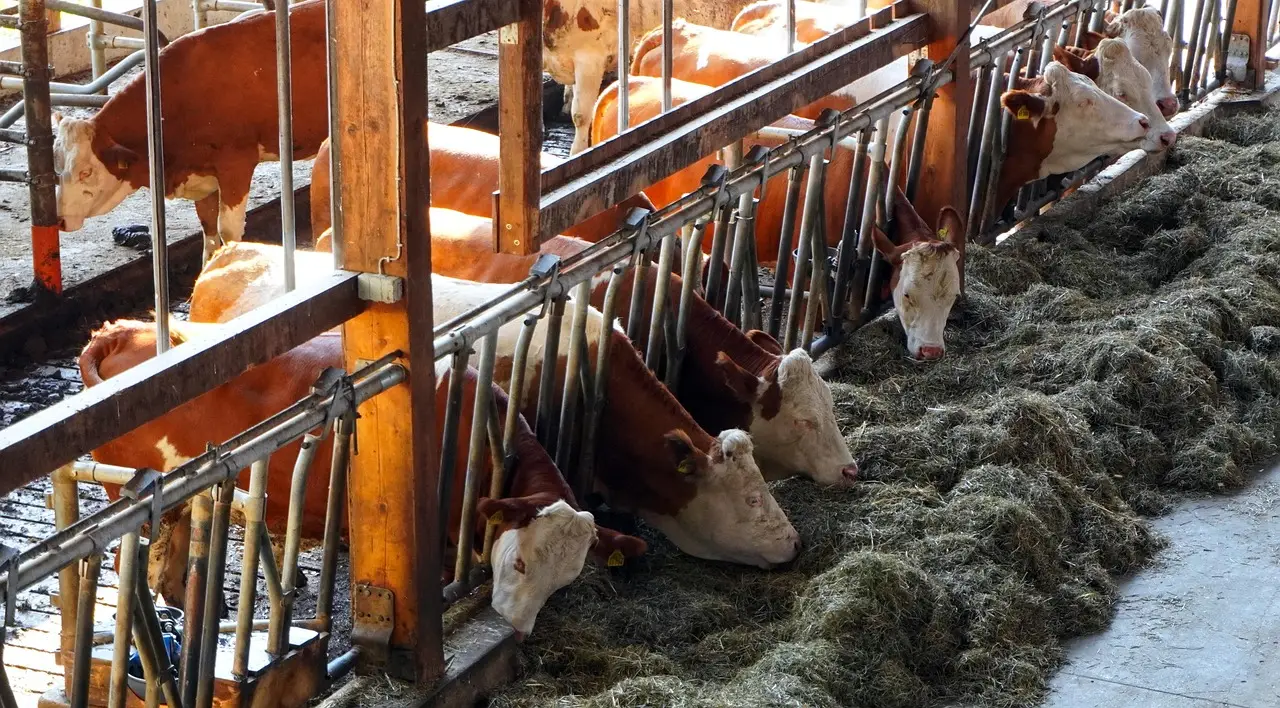
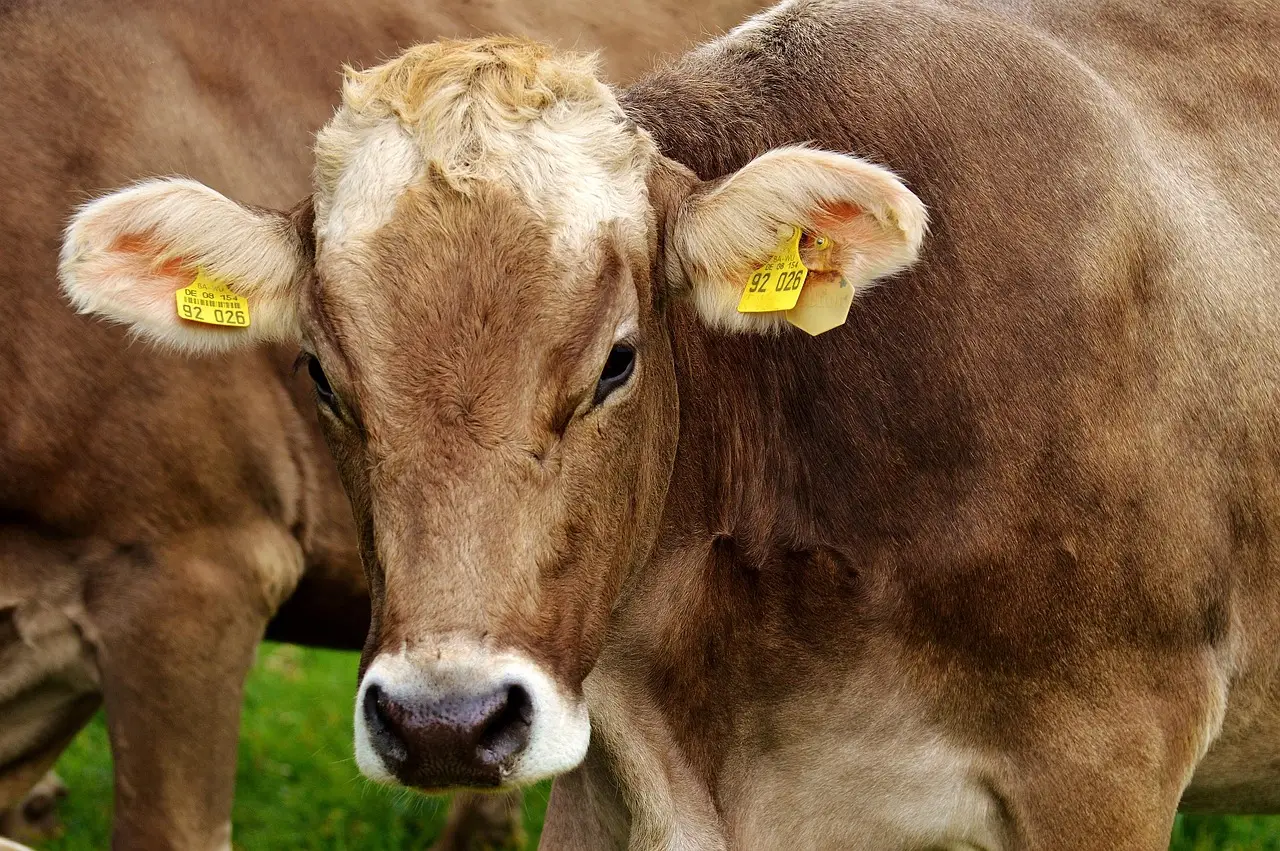
Photo: Alexas_Fotos / pixabay
By Elena Vasquez
More than 1,200 U.S. dairy farms in 20 states have confirmed highly pathogenic avian influenza (HPAI) cases since the initial spillover from wild birds into dairy cattle in 2024. At least 17 states have also experienced commercial poultry losses as HPAI spread from nearby infected dairy cattle into poultry.
On Nov. 5, the National Association of State Departments of Agriculture (NASDA) and the National Assembly of State Animal Health Officials (NASAHO) met with USDA in Arlington, Virginia, and delivered a letter urging the agency to act. They asked USDA to authorize a voluntary national emergency vaccination framework for dairy cattle as part of the integrated disease-control strategy now guiding the response to ongoing outbreaks.
What did officials ask USDA to authorize?
“The dairy industry must have effective tools to combat HPAI,” NASDA CEO Ted McKinney said. “Current surveillance strategies like the National Milk Testing Strategy and premovement testing have been critical in early detection, but an integrated disease control strategy must go beyond biosecurity and movement controls and include veterinary countermeasures.”
McKinney said USDA approval of vaccines would provide an additional tool to help prevent and reduce HPAI spread in livestock. Under the request, state animal health officials could choose to use vaccination alongside five core elements of the existing integrated strategy:
- Surveillance
- Biosecurity
- Movement management
- Animal identification
- Traceability
NASDA and NASAHO say vaccines should not replace those measures. The request calls for a voluntary option, and no blanket vaccination requirement appears in the announcement.
Takeaway: The request would add an optional preventive layer without removing current controls.
How extensive is the outbreak's reach?
NASDA and NASAHO report that the U.S. commercial milk supply remains safe for consumers. Their concern centers on continued transmission, which they say threatens supply chains, international market access, consumer confidence, agricultural stability, and the economic viability of dairy and poultry farms.
With grocery prices already up, the groups warn that HPAI becoming endemic in the United States would amplify affordability concerns for dairy, beef, eggs, and poultry. That is the economic argument for adding vaccination without dropping surveillance or movement controls.
“HPAI continues to loom as a significant threat to animal health, our food supply and commerce,” NASAHO President Dr. Alex Hamberg said. “Veterinary and state government leaders need every available tool to protect the agricultural economy in their states and empower their farmers in combating this virus to protect their dairy herds and poultry flocks.”
Hamberg also asked USDA for support in helping farmers. The poultry losses in at least 17 states show how an outbreak centered in dairy cattle can carry consequences into another commercial sector.
Takeaway: The milk supply remains safe, but continued spread now reaches farm economics, poultry production, and market access.
What changes at the farm and regulatory level?
For dairy veterinarians and producers, a USDA authorization would create an additional option that state animal health officials could select within the existing disease-control plan. It would not specify how a vaccine reaches farms, who administers it, or how product use would be recorded. The announcement names no vaccine, manufacturer, dosing schedule, or administration protocol.
Regulatory status in the source is limited:
- USDA: Officials asked the agency to authorize a voluntary national emergency vaccination framework; the source reports a request, not an authorization.
- FDA CVM: The source provides no FDA Center for Veterinary Medicine review or authorization status for a vaccine.
- EMA: The source provides no European Medicines Agency review or authorization status for a vaccine.
States and industries currently continue the integrated program of surveillance, biosecurity, movement management, animal identification, and traceability. No new clinical protocol exists in this announcement.
Takeaway: The proposal can change policy, but it does not provide veterinarians with a new vaccine protocol.
How do food-animal and public-health effects differ?
Food-animal implications: Dairy cattle are the direct vaccination target, and commercial poultry have already borne losses linked to nearby infected dairy herds. A broader response could reduce transmission, strengthen the dairy and poultry sectors, and support U.S. market access.
Public-health implications: The groups describe risks to the food supply and animal health while maintaining that commercial milk remains safe. Their requested action seeks to reduce disease transmission and preserve confidence in U.S. products in domestic and international markets.
Companion-animal implications: The announcement includes no vaccination, testing, or clinical guidance for companion-animal practices. Its scope is livestock and the food supply, not dogs, cats, or other household animals.
The organizations say cooperation among states and USDA could strengthen public and animal health, protect the U.S. food supply, and advance the long-term goal of HPAI eradication in dairy cattle.
Takeaway: This is a food-animal and food-system proposal; it does not extend to companion-animal care.
Who is making the case?
NASDA is a nonpartisan, nonprofit association representing elected and appointed commissioners, secretaries, and directors of agriculture departments in all 50 states and four U.S. territories. It engages state departments through policy, partnerships, and public outreach. NASAHO, the National Assembly of State Animal Health Officials, joined NASDA in the Nov. 5 meeting and letter to USDA.
Takeaway: If USDA authorizes the voluntary framework and state officials choose to use it, vaccination could reduce transmission and help advance the long-term goal of eradicating HPAI from U.S. dairy cattle.
Source: morningagclips.com
Elena Vasquez
Show full bio
Market editor covering money, funding and market shifts around Small- and large-animal clinical practice at The Vet Scope.