Multi-Sire Fresh Semin Boosts Beef Heifer AI Pregnancy Rates
A three-year Nebraska study with 873 Angus heifers found fresh pooled semen from three bulls raised bred-heifer numbers almost 11 percent in year one, with DNA parentage testing to follow.
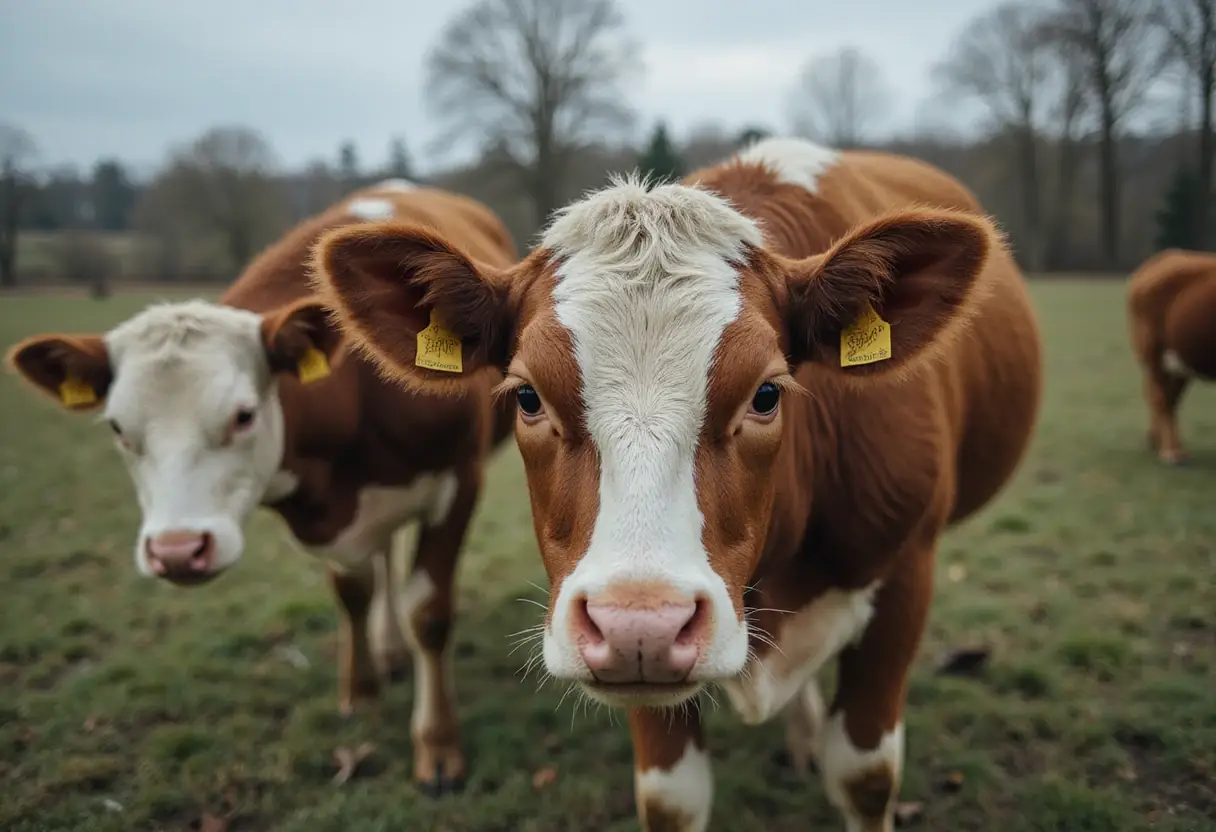
Photo: Growtika / unsplash
Beef heifers bred with fresh pooled semen from three bulls showed an almost 11 percent increase in bred heifers in early results from a University of Nebraska-Lincoln research project now in its first of three years.
The study, run at UNL's Panhandle Research, Extension and Education Center (PREEC) Research Feedlot, tests whether multi-sire semen improves pregnancy rates compared with single-sire semen, and whether fresh semen outperforms frozen semen in artificial insemination (AI) programs. Nebraska Extension Beef Reproductive Specialist Rick Funston leads the work with Bryan Palm, owner and manager of 2Bar Ranches, who leases the UNL feedlot.
Why the herd-growth question matters
Expanding a cattle herd carries heavy costs, and developing replacement heifers is among the largest. AI pregnancy rates in beef heifers vary substantially even with good reproductive management and estrus synchronization. Conception can still fail.
"Previous research suggests using multi-sire semen may increase pregnancy rates by roughly nine to 11.5 percent, potentially because combining sperm from multiple bulls could improve overall semen quality," Funston said.
For Palm, the math is direct. His operation runs a closed herd, so every gain in AI efficiency compounds.
"Our biggest concern right now is to breed as many heifers as we possibly can. We're trying to build our cow herd substantially," Palm said. "We have a closed herd, so every percentage rate we can improve in our AI is money ahead for us."
How the study is built
The project enrolled 873 heifers across two Nebraska sites:
- 339 Angus heifers with three unrelated Angus bulls at the feedyard leased by Palm
- 534 Angus crossbred heifers with one Simmental bull and two unrelated Angus bulls at the Kelly ranches north of Sutherland, Nebraska
The multi-sire treatment pools semen from three bulls. The design also compares storage methods, because prior research on fresh versus frozen semen has produced mixed results.
"We're hypothesizing fresh semen from three bulls mixed together will produce higher AI pregnancy rates than semen from a single bull in beef heifers," Funston said.
Logistics separate the two semen types sharply. Frozen semen can sit in inventory for months. Fresh semen must be collected and delivered within 48 hours.
"There was a lot of logistics getting the fresh semen to the heifers. When using frozen semen, it can be there months before you need it," Palm said. "With the fresh semen, they have to collect it and get it to you in 48 hours."
What the first-year numbers show
The project has already produced positive results in its opening year. In 2026, Palm and Funston have recorded bred heifers on fresh pooled semen up by almost 11 percent, a figure consistent with the nine to 11.5 percent range reported in earlier multi-sire research.
Parentage data will sharpen the picture. After calves are weaned next year, they will enter Palm's feed yard, where DNA testing for direct parentage will show which bulls contributed most to reproduction.
Funston expects fresh, multi-sire semen to achieve the highest fertility, potentially because combining sperm from multiple bulls raises the likelihood that viable, fertile sperm are present at ovulation.
What changes at the working chute
For cow-calf operations in the western Great Plains, the study offers a real-world evaluation of applied AI management rather than a controlled-lab result. If the three-year data hold, producers developing replacement heifers could gain a practical tool: pooled fresh semen as a way to lift conception rates without adding synchronized breeding passes.
The trade-off is supply-chain discipline. Fresh semen's 48-hour delivery window demands tight coordination between collection, transport and breeding schedules, an operational constraint frozen semen does not impose.
Takeaway for practitioners: early evidence supports multi-sire fresh semen as a pregnancy-rate lever, with DNA parentage results next year to identify which bulls carry the effect.
Source: wylr.net
Daniel Okafor
Show full bio
News editor covering technology and product news in Small- and large-animal clinical practice at The Vet Scope.
Related articles
Japanese Holstein bull study maps inbreeding's hit on semen traits
Nose-flap weaning cuts stress in beef cows, Calgary study finds
Journal of Dairy Study Examines Follicular Dynamics and AI Fertility
Cattle May Establish Pregnancy Without Interferon Tau
AgriLife livestock fertility researcher ends 58-year career