Nose-flap weaning cuts stress in beef cows, Calgary study finds
A University of Calgary study of 90 Angus cow-calf pairs found nose-flap weaning stressed cows least, while fence-line weaning produced the highest stress hormone and behavior readings.
Updated
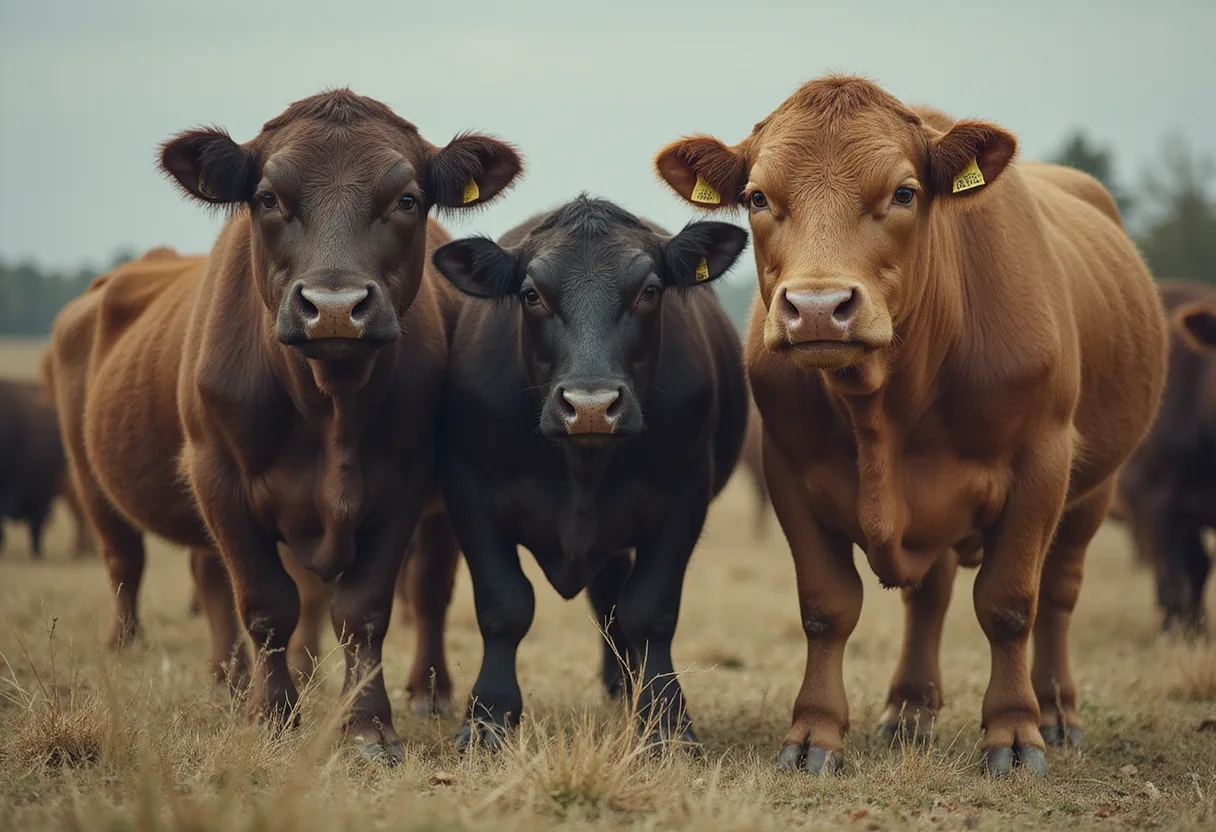
Photo: AI-generated
Beef cows whose calves wore nose flaps showed the fewest stress-related behavior changes at weaning, while fence-line weaning produced the highest stress readings — the opposite of what most calf-focused research has reported. That finding comes from a study published in the September issue of the Canadian Veterinary Journal, the first published work to assess the cow side of weaning in a North American cow-calf production system.
Dr. Sanjaya Mijar led the research under the supervision of Dr. Karin Orsel at the University of Calgary's W.A. Ranches, a working research ranch 30 km north of Calgary. The team assessed 30 Angus cow-calf pairs for each of three weaning methods:
- Abrupt weaning — cows and calves physically and permanently separated at a single point in time.
- Fence-line weaning — cows on one side of a fence, calves on the other.
- Nose-flap (two-stage) weaning — a nose flap prevents nursing while the calf stays with its mother for several days before full separation.
Why the cow's side of weaning matters
Modern beef systems typically wean calves between five and eight months of age, whereas cows left to their own devices would wean gradually over weeks at a much older age. Weaning stress is well documented in calves: weight loss, increased movement and disease risk, driven by both the dietary shift from milk to plants and the loss of maternal contact.
Cow welfare and productivity are on the line too. Producers need cows to hold condition, manage feed resources and rebreed successfully for the next calf.
What changed at the ranch
Each cow received an ear tag that recorded movement and feeding behavior. Researchers also carried out direct observation at specific times after weaning — pacing, standing, eating and mooing — and measured stress hormones in feces and saliva.
The ear tag technology turned out to be no better than plain observation, a practical disappointment given how labor-intensive behavior data collection is by hand.
Across all groups, the cows showed only temporary drops in eating and cud-chewing, returning to normal within two days.
The behavioral differences between methods were sharper. Cows whose calves had nose flaps showed the least change, with less mooing and less moving around — consistent with earlier studies linking two-stage weaning to reduced stress-related activity. Abruptly weaned cows scored in the middle. Fence-line cows were the most stressed on both behavioral measures and stress-hormone readings, and they moved more, which the researchers attributed to attempts to reunite with their calves.
What does the result change in the barn?
The pattern suggests cows may find close proximity to their calves without physical contact more stressful than sudden, complete separation — and that cows and calves can experience the same weaning event differently. Previous studies found fence-line weaning less stressful for calves than abrupt separation, so a method that looks gentle from the calf's side may be the hardest on the dam.
For producers choosing a weaning protocol, the study lends weight to the two-stage nose-flap approach as the option that minimizes stress in both cows and calves. The National Farm Animal Care Council's Canadian Beef Codes of Practice already recommend low-stress weaning techniques, and this study supports the nose-flap process as the best fit for that recommendation.
Study limitations and next steps
The researchers could not create multiple small replicate groups, which would have strengthened the associations they observed. Adverse weather also affected cow behavior; that data was removed to reduce bias, leaving less data for analysis. Against that, the study carried a fairly large sample size within an established herd and sets the groundwork for future research on cow-related stressors in beef production — work that may refine which weaning protocols best serve the cow as well as the calf.
Original: read.qxmd.com
Daniel Okafor
Show full bio
News editor covering technology and product news in Small- and large-animal clinical practice at The Vet Scope.
Related articles
Large Animal Vet Shortage Adds New Burden for Cattle Producers
High-Protein Grazing Raises Blood Ammonia but Not Summer Scour Risk
First-Calving Body Weight Tracks Through to Milk Yield and Culling
Parity linked to mastitis, lameness and reproduction in dairy study
OSU Extension flags late winter as high-risk window for livestock