OSU Extension flags late winter as high-risk window for livestock
OSU Extension Service circulated a livestock advisory headlined "Late winter can be a perilous time for livestock." The source feed carried only the title and publisher attribution; body text did not travel with it.
Updated
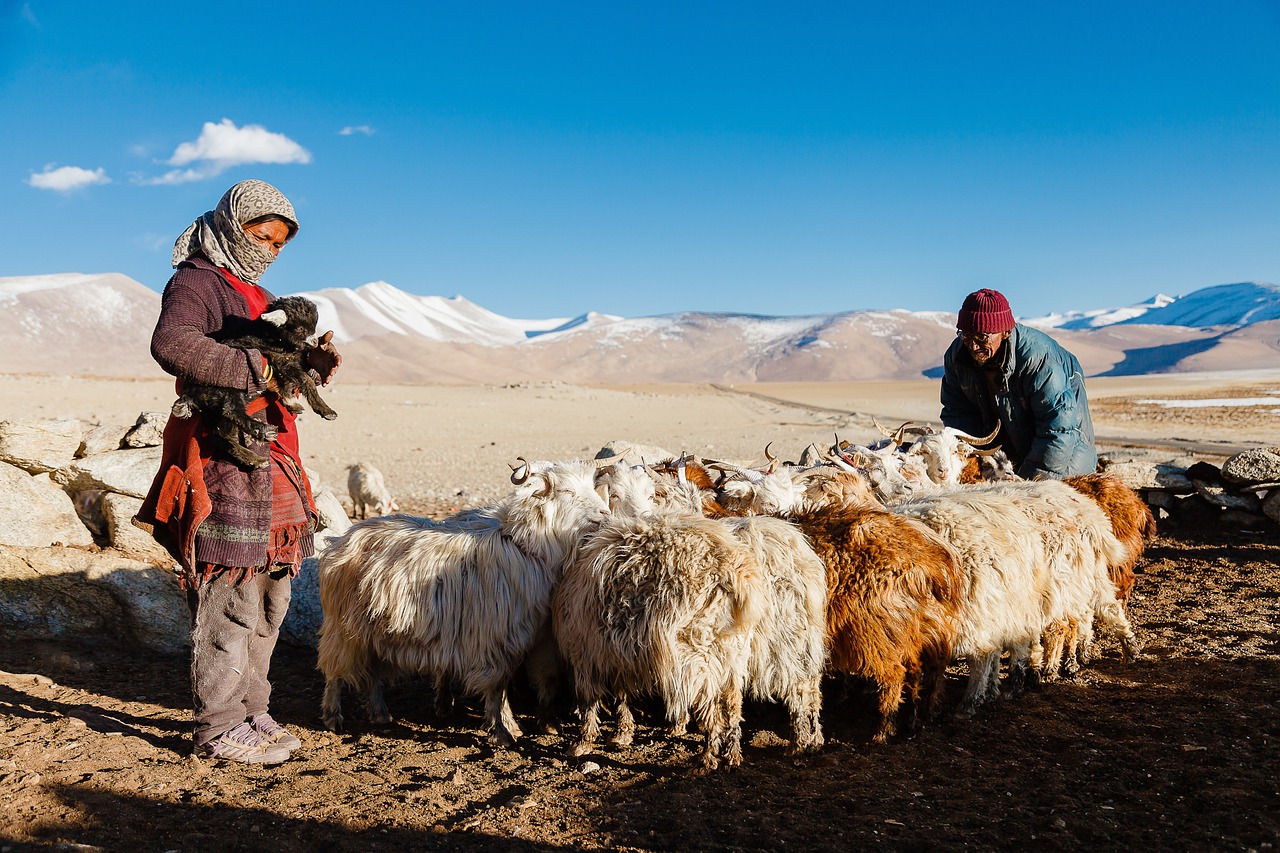
Photo: tashinamgyal / pixabay
Oklahoma State University Extension Service has circulated a livestock advisory headlined "Late winter can be a perilous time for livestock." The piece, distributed through the service's news portal, reached The Vet Scope newsroom with the title and publisher attribution only — the body text did not travel with the feed.
What does the OSU title tell practitioners?
That headline still does work. It names a window practitioners recognize by calendar. February into early March is the trough of the production year across the southern Plains, and the pressures of late winter stack into a single management stretch. Hay reserves are thin. Body condition has eroded. A single cold front can tip a marginal animal into a clinical case.
Why does late winter compress so many failures?
Body condition falls. Cows in late gestation have drawn on stored reserves for two months of winter. A cold snap in February drops condition faster than ration adjustments can offset it. Thin cows at calving produce weak calves, milk poorly, and breed back late. A 1-point drop in body condition score at calving commonly lengthens the postpartum interval, and the cost compounds through the next breeding season.
Forage quality compounds the math. Hay cut in early summer loses TDN through storage and weather, and bales that fed well in December often fall short by March. Producers running short in February face peak prices for supplemental feed. Culling decisions often land in this window, and the timing affects the cow herd for years.
Water access is the silent risk. Frozen ponds, ice-sheathed troughs, and buried hydrants stop a herd cold. Dehydration cuts feed intake, which cuts energy, which accelerates condition loss. A water system that worked in November may fail in February without warning, and a producer focused on feeding may not notice until cattle crowd a single working trough.
For small ruminants, late winter stacks lambing and kidding onto the same pressures. Wet newborns meet freezing air in a single night. Shelter, drafting, and shearing prep compete for the same labor hours. Loss rate climbs sharply in temperatures below 20°F with wind.
For equine operations, the risks shift but do not disappear. Frozen automatic waterers fail, and colic incidence rises as horses drink less. Older horses and heaves-affected patients struggle in cold, dry air, and asthma flares more often in the late-winter weeks.
How should the clinic prepare?
OSU Extension's role here is educational, not regulatory. The advisory carries no enforcement weight, and the FDA CVM, USDA APHIS, and EMA have not released companion guidance tied to this title. Producers in Oklahoma and the surrounding states treat the service's notes as management prompts, not as directives.
The distribution received did not name an author. Practitioners servicing Oklahoma, Texas, Kansas, and the surrounding region should expect clients to reference the piece as calving and lambing seasons peak through March. Client questions about body condition scoring, water system checks, and supplementation timing will follow.
The full text of the OSU advisory did not travel in the source feed this article draws from. Readers seeking the complete management recommendations should consult news.okstate.edu directly. Watch for the service's next livestock note as spring turnout approaches.
Source: Google News: Livestock health
Grace Kim
Show full bio
Staff writer covering regulation, policy and their impact on Small- and large-animal clinical practice at The Vet Scope.
Related articles
Large Animal Vet Shortage Adds New Burden for Cattle Producers
First-Calving Body Weight Tracks Through to Milk Yield and Culling
High-Protein Grazing Raises Blood Ammonia but Not Summer Scour Risk
Parity linked to mastitis, lameness and reproduction in dairy study
Nose-flap weaning cuts stress in beef cows, Calgary study finds