CDC and NIH Award Nearly $3 Million for Tick Control Research
CDC and NIH will fund nearly $3 million in tick control research, with UW–Madison's MCEVBD testing rodent super baits and deer-fed acaricides against blacklegged ticks.
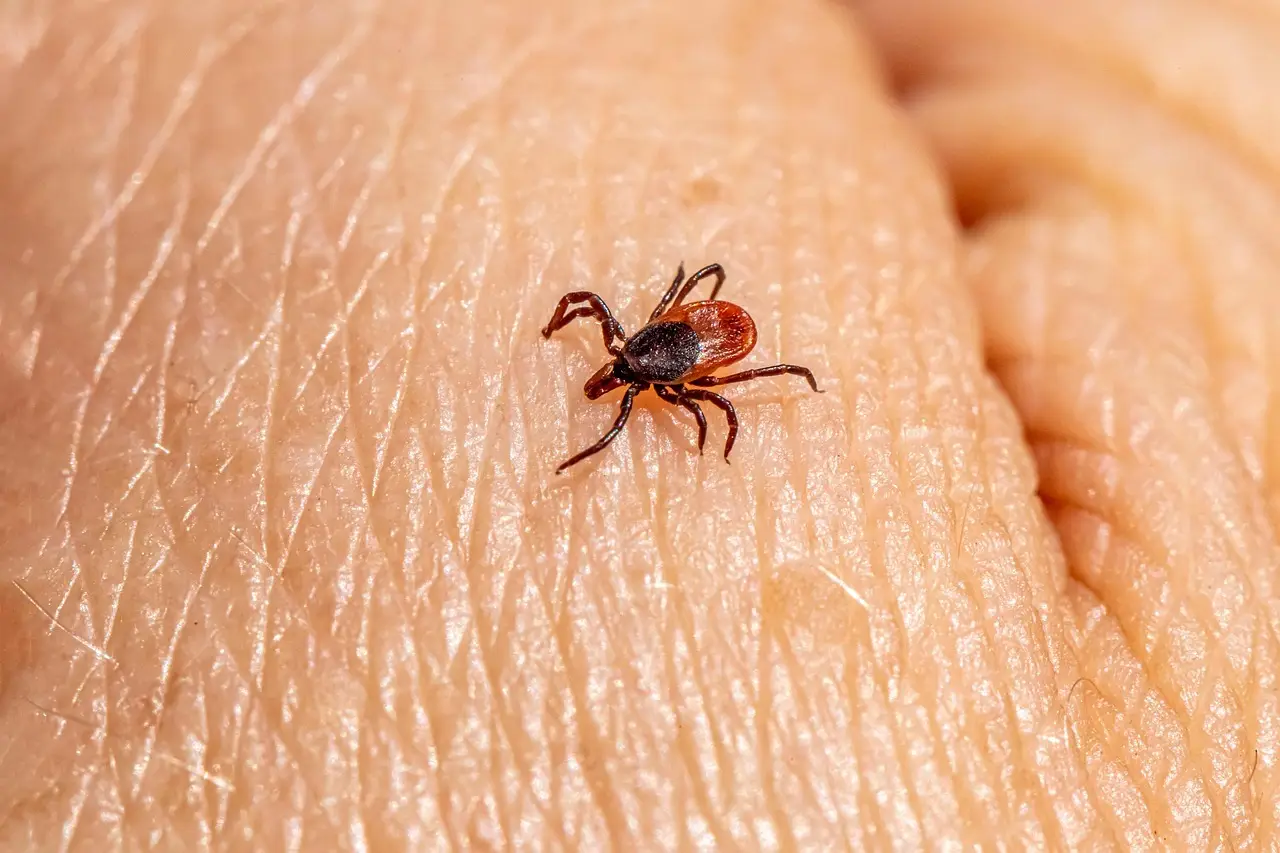
Photo: Erik_Karits / pixabay
Nearly $3 million in federal funding will back two Centers of Excellence researching new ways to cut tick populations and reduce human tick encounters, with the Midwest Center of Excellence for Vector-Borne Disease (MCEVBD) at UW–Madison overseeing work in both funded areas.
The award, announced last week, comes jointly from the Centers for Disease Control and Prevention (CDC) and the National Institutes of Health (NIH). It forms part of a new initiative from the U.S. Department of Health and Human Services (HHS) to change how the nation confronts ticks and tickborne diseases, including Lyme disease and alpha-gal syndrome.
The MCEVBD, headquartered at UW–Madison, shares the funding with the New England Center of Excellence in Vector-borne Diseases.
What will the money fund?
The initiative targets two approaches:
- "Super baits" for rodents, combining acaricide and antibiotics in bait feed
- Deer feed treated with acaricide, a specialized pesticide for ticks
UW–Madison and collaborators at the Connecticut Agricultural Experiment Station will pursue the rodent bait work. Center partners at Michigan State University will conduct the deer research.
Rodents carry juvenile blacklegged ticks and serve as key sources of the bacterium that causes Lyme disease. Ticks feed on rodents and acquire the pathogen. Bait boxes can deliver feed containing acaricide, antibiotics, or both. The combined super baits would kill ticks feeding on treated rodents and shrink the pool of infected animals, removing a source of infection for future ticks.
"The goal of our center is to identify and improve strategies to prevent tick bites, reducing human exposure to blacklegged ticks and the pathogens they are known to transmit," said Susan Paskewitz, co-director of the MCEVBD and professor of entomology at the UW–Madison College of Agricultural and Life Sciences. "With the new funding, we can expand our research to focus on tools that improve health while reducing the use of pesticides in the environment."
How does the deer work fit in?
Deer sustain tick populations and act as the point source of adult tick reproduction. Ticks that feed on deer thrive and produce large numbers of eggs. Michigan State researchers will test whether an acaricide can be distributed orally to deer at scale, disrupting the tick life cycle and preventing females from laying eggs.
For veterinary practitioners, the research reaches directly into companion-animal and public-health territory. Blacklegged ticks transmit the Lyme disease agent to dogs and humans alike, and the bait-box strategy aims squarely at the interface where pets, wildlife hosts, and people meet.
"We've capitalized on many great resources at UW–Madison to design new bait boxes, and the idea is to broaden the types of small mammals that can get into the boxes and get treated with anti-tick medication," said Lyric Bartholomay, co-director of the MCEVBD and professor of pathobiological sciences at the UW–Madison School of Veterinary Medicine. "We want to reduce the number of ticks and the risk that people and pets will come in contact with them."
How large is the problem?
The scale is substantial. Nearly 31 million people in the United States may be bitten by a tick each year, and more than half a million Americans receive a diagnosis of a tickborne disease annually. Cases are rising, and ticks are expanding into new regions of the country. Control, researchers stress, requires both personal prevention and community-level intervention.
What changes at the backyard level?
The funding moves the science from the laboratory into real conditions. Paskewitz said the award will let researchers test the new host-targeted strategies — deer that amplify tick populations and rodents that infect ticks with pathogens — in field settings.
"We'll be able to test these under real-world conditions, working with homeowners to measure the reduction in numbers of infected ticks in their backyards following treatments," Paskewitz said.
Bartholomay framed the award as a federal acknowledgment that Lyme disease and related illnesses are serious public health problems requiring new research models. "The work we and others do to find solutions requires investment, and this is a public acknowledgement that these diseases warrant new ways of conducting research and solving problems," she said.
Results from the homeowner-level trials will determine whether host-targeted baits can become a practical alternative to broad pesticide application in tick-endemic regions.
Source: morningagclips.com
Nathan Brooks
Show full bio
Senior reporter covering companies, deals and strategy in Small- and large-animal clinical practice at The Vet Scope.
Related articles
Reauthorized Tick Act Pushes U.S. Cattle Biosecurity Through 2030
$9.5 Million Gift Funds UF Cattle Pest Protection Work
University of Florida Lands $9.5 Million Gift to Fight Cattle Pests
WSU to Lead Global Livestock Initiative Backed by $40M
Ohio Posts 2026 Lyme Disease Update for Healthcare Providers