$9.5 Million Gift Funds UF Cattle Pest Protection Work
The University of Florida has received a $9.5 million gift to expand research and outreach protecting cattle from disease-carrying pests such as flies and ticks.
Updated
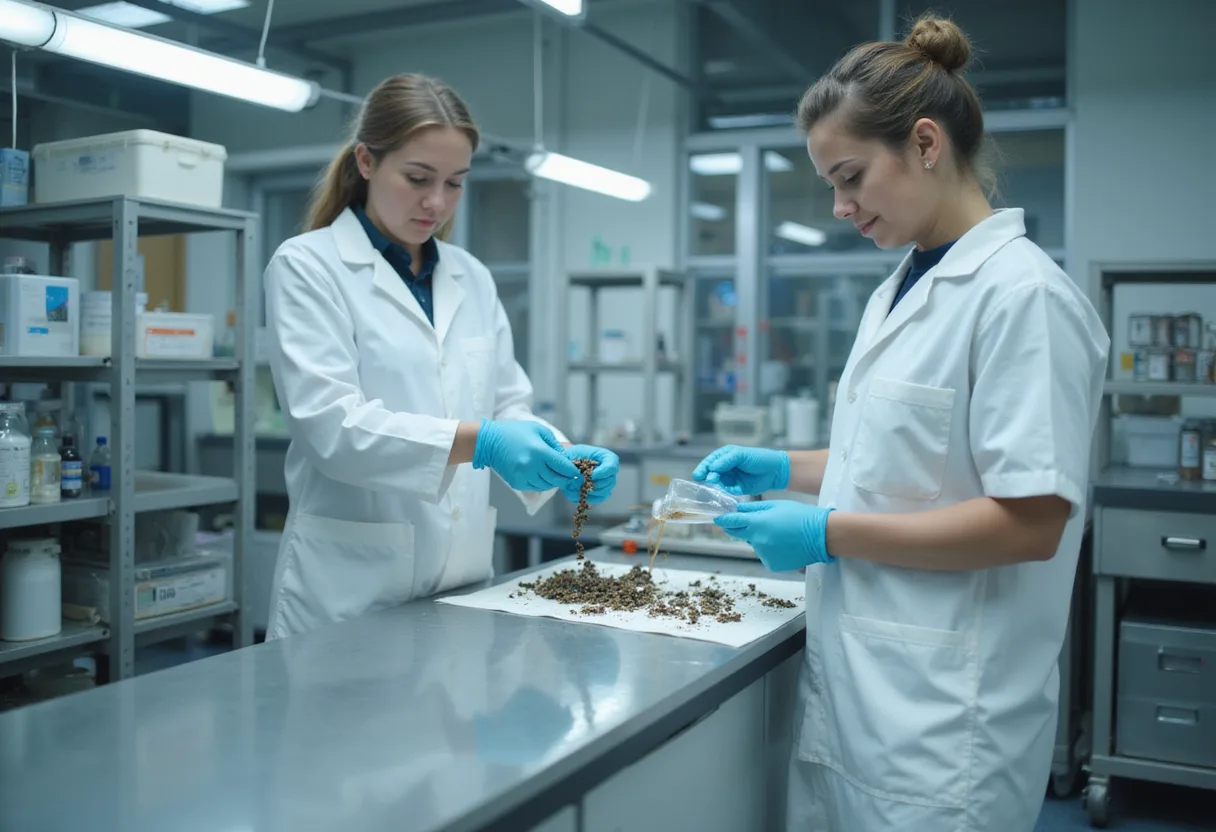
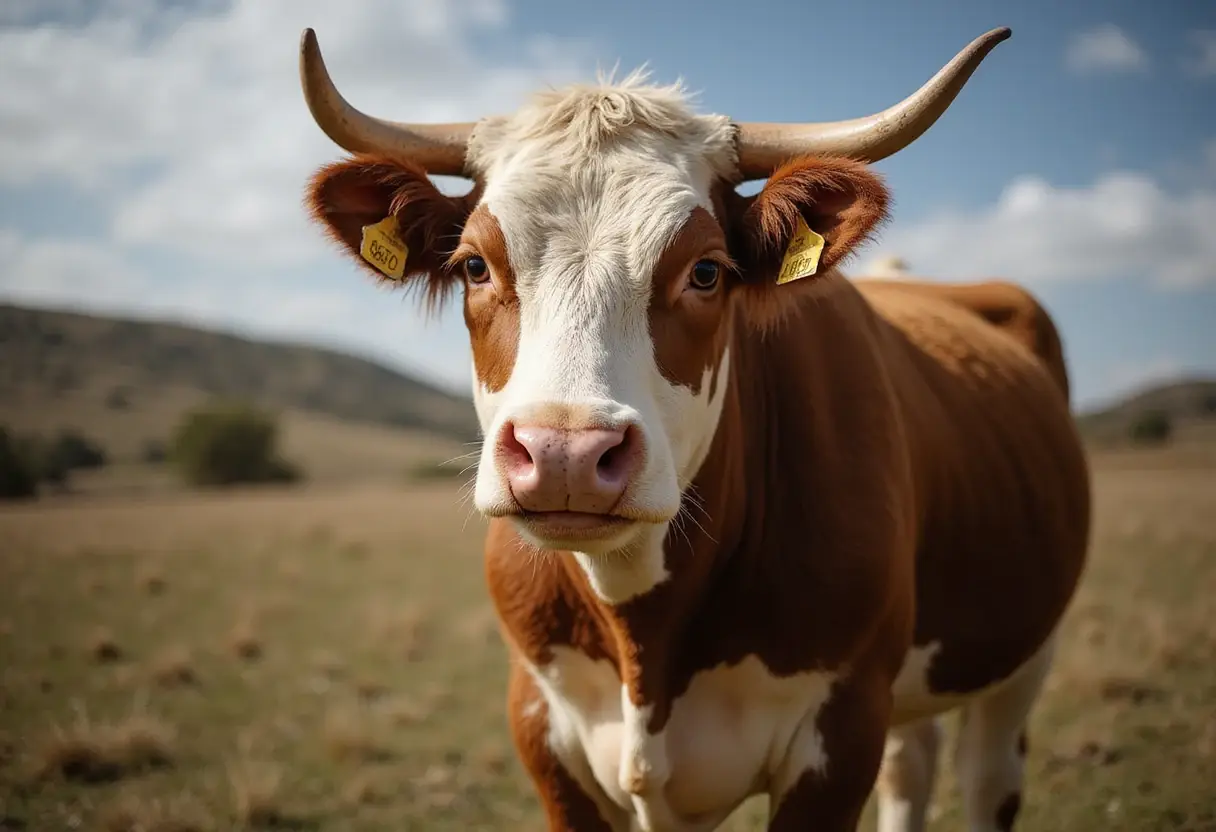
Photo: AI-generated
The University of Florida has received a $9.5 million gift to strengthen its work protecting cattle from disease-carrying pests. The donation, announced by the university, targets one of the most persistent sources of production losses in beef and dairy herds: insects and ticks that transmit pathogens between animals.
What does the gift fund?
The $9.5 million commitment supports the university's research and outreach programs focused on pests that spread disease among cattle. Florida's warm, humid climate sustains insect and tick populations year-round, which places herds in the state under continuous exposure to vectors such as biting flies and ticks.
Vector-borne disease remains a major driver of economic loss in cattle operations. Producers lose animals to infection, spend on treatment and prevention, and absorb reduced weight gain and milk yield when herds carry heavy parasite loads.
The takeaway: a single $9.5 million commitment now anchors UF's effort to reduce those losses at the herd level.
Why does this matter at the farm gate?
For practicing veterinarians and producers, vector control is a daily management problem rather than a seasonal one in the Southeast. Chemical interventions face familiar constraints, including parasite resistance and the need to observe withdrawal periods in food-producing animals. Any vaccine, diagnostic or management tool that emerges from university research would require review by the USDA or FDA CVM before reaching the market, depending on the product class.
The UF program sits at the point where laboratory findings must translate into protocols a veterinarian can apply in the barn. The gift gives the university the scale to pursue that translation.
In plain words: the funding exists to move pest-disease science from the bench to working cattle operations.
What comes next?
The University of Florida has not detailed a full spending timetable, specific research targets or named investigators in the announcement. The university said the gift boosts existing efforts, which suggests the funds will extend current entomology and cattle health programs rather than launch an entirely new institute.
Companion-animal medicine sees no direct effect from this commitment. The public-health dimension is real, however, because several tick-borne pathogens that circulate in cattle systems also affect humans, and tools developed for herd protection can inform broader vector-control strategy.
The takeaway: with $9.5 million in hand, UF is positioned to expand a research pipeline that cattle veterinarians and producers will watch for practical new defenses against disease-carrying pests.
Source: Google News: Livestock health
Daniel Okafor
Show full bio
News editor covering technology and product news in Small- and large-animal clinical practice at The Vet Scope.