University of Florida Lands $9.5 Million Gift to Fight Cattle Pests
The University of Florida has received a $9.5 million gift to tackle cattle pest threats, a major private investment in livestock parasite research with implications for Southeast beef producers.
Updated
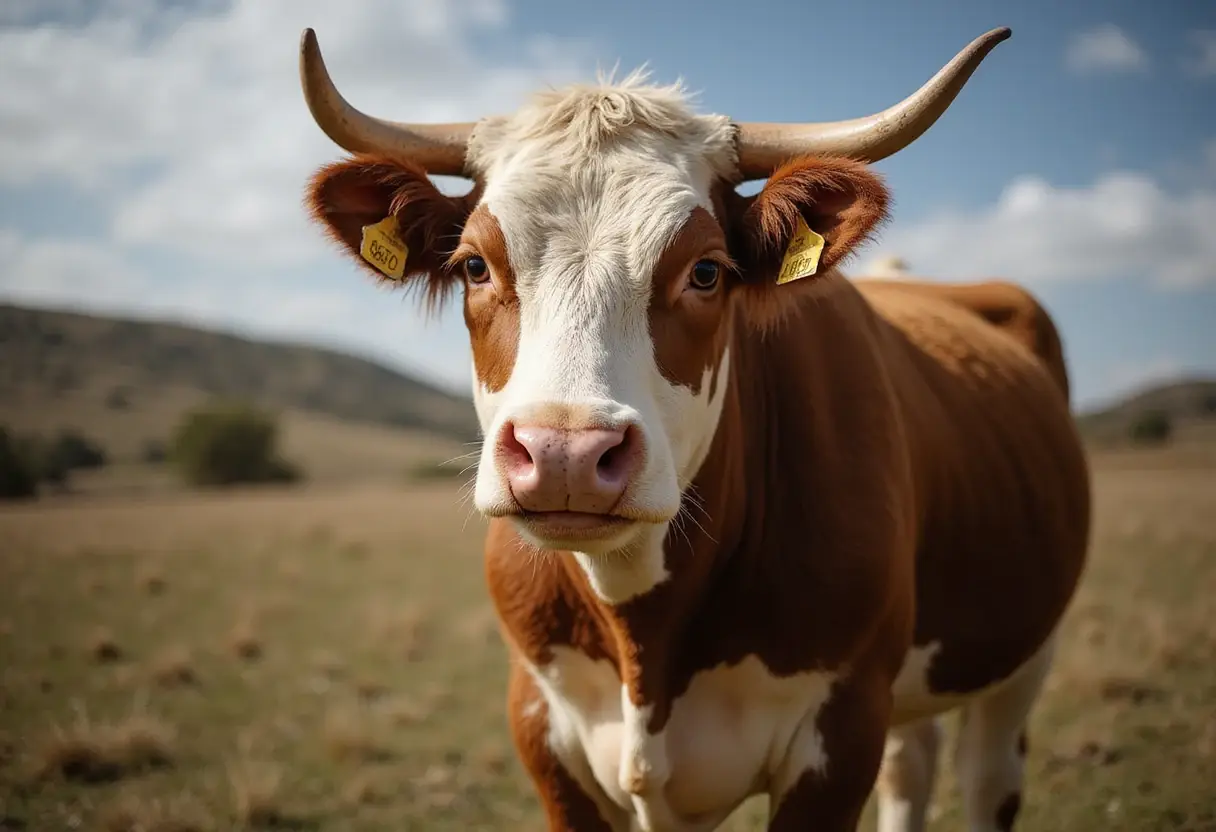
The University of Florida has received a $9.5 million gift dedicated to addressing cattle pest threats, Beef Magazine reports. The commitment ranks among the larger private investments in livestock pest research at a United States land-grant institution, and it arrives as beef producers continue to absorb losses tied to external parasites.
Cattle pests remain a persistent drain on herd productivity across the southeastern United States, where humidity and warm seasons extend parasite pressure for much of the year. The region's climate supports populations of biting and sucking flies, ticks and related external parasites that reduce weight gain, depress milk production and transmit disease. Producers in Florida and neighboring states manage these threats through a combination of chemical control, pasture management and animal selection.
The $9.5 million figure is the concrete anchor of the announcement. It signals sustained, multi-year research capacity rather than a single grant cycle, which matters for pest work: parasite population studies, control-product trials and resistance monitoring all require repeated field seasons to produce results a producer can act on.
What could the funding change at the farm level?
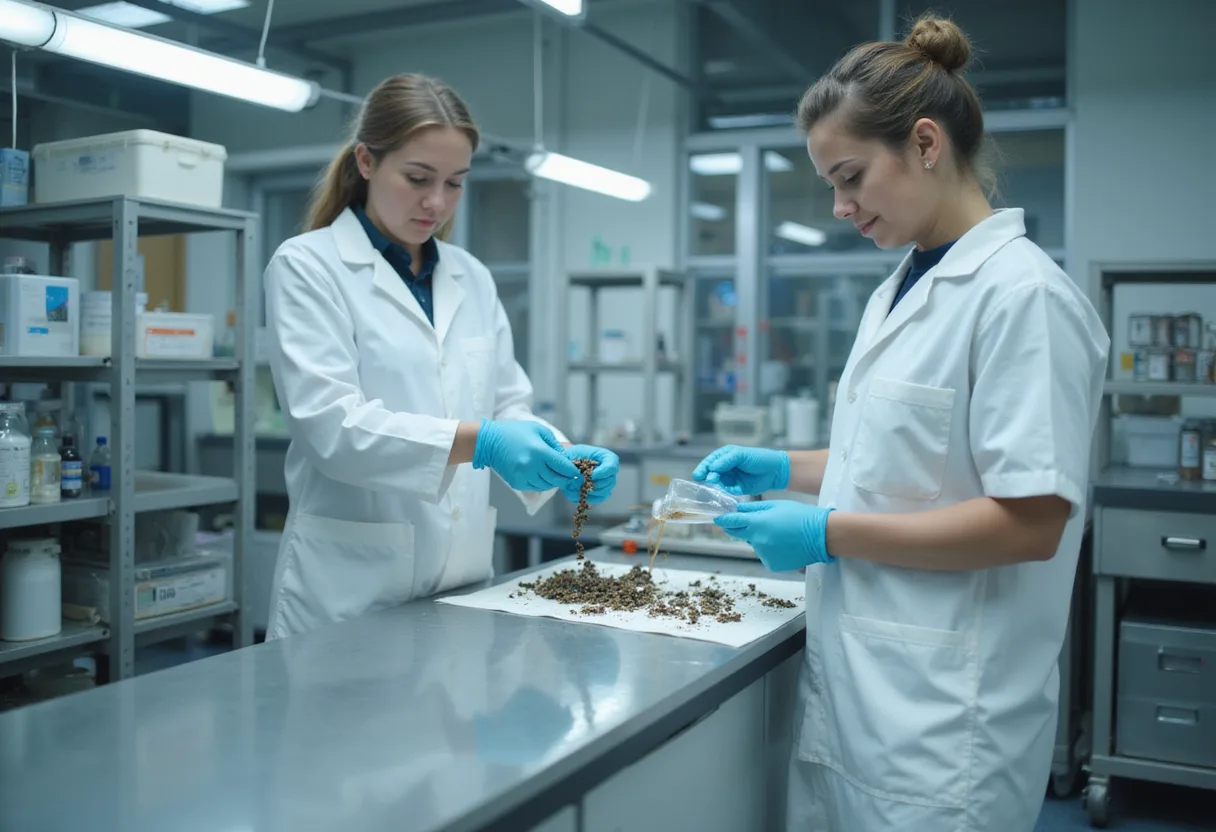
For veterinarians and producers, the practical questions are whether new funding speeds development of improved control tools and whether research output reaches the pasture as usable guidance. University-based pest programs typically work along three lines:
- Basic research into parasite biology, population dynamics and host resistance
- Applied evaluation of control products and application methods
- Extension delivery that translates findings into treatment and management protocols
A gift of this size can support all three, including graduate training that expands the pipeline of livestock entomologists and veterinary parasitologists. Takeaway: money of this scale buys continuity, and continuity is what turns pest research into practice change.
Why does this matter for the Southeast?
Florida's beef herd is among the largest of any state east of the Mississippi River, and its subtropical environment makes pest pressure a year-round management issue rather than a seasonal one. Research capacity concentrated at the University of Florida therefore serves a production region where parasite control decisions directly affect calf weaning weights and herd profitability.
Food-animal practitioners in the region watch university research programs closely for two reasons. First, product resistance in external parasite populations complicates established treatment routines. Second, evolving guidance on integrated pest management — combining chemical, biological and environmental controls — depends on current local data. Takeaway: a well-funded regional program shortens the lag between finding and recommendation.
What are the next steps?
The announcement establishes the funding commitment; the structure of the resulting research program, its leadership and its first projects will determine the practical return for producers. Stakeholders can expect the university to detail how the gift will be allocated across research, extension and training in the coming months.
For now, the industry signal is clear: private donors are putting capital behind cattle pest research at a level that allows long-horizon work, and the University of Florida will be a institution to watch for new findings on external parasite control in beef herds.
Source: Google News: Livestock health
Daniel Okafor
Show full bio
News editor covering technology and product news in Small- and large-animal clinical practice at The Vet Scope.