AAHA Guidelines Flag 12 Emerging Parasites Threatening Dogs and Cats
AAHA's new One Health guidelines cover 12 emerging dog and cat parasites, including a hookworm surviving three drug classes and praziquantel-resistant tapeworms, plus fluralaner's emergency screwworm use.
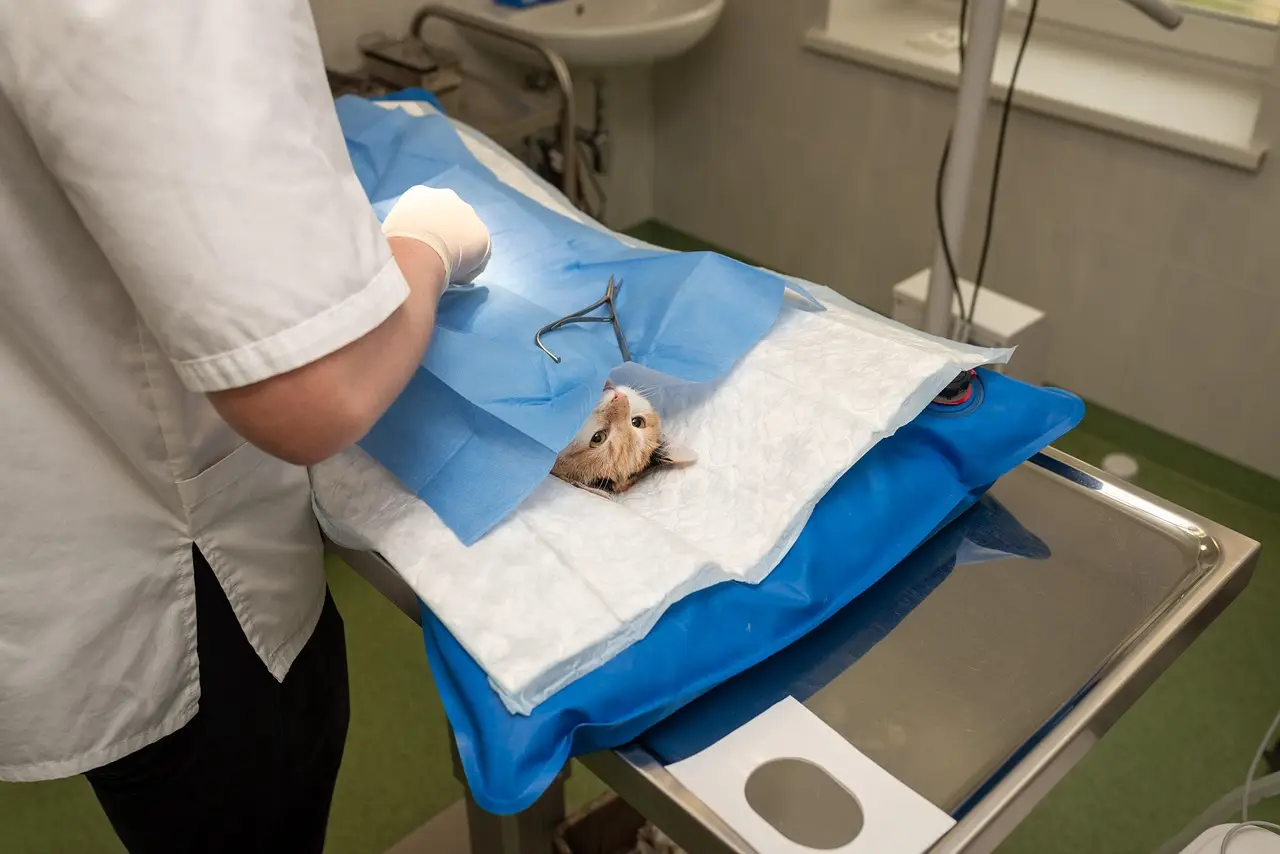
Photo: AI-generated
The American Animal Hospital Association (AAHA) has released new One Health guidelines covering 12 emerging parasites in dogs and cats — including a hookworm that survives treatment with three drug classes, tapeworms resistant to praziquantel, and a myiasis-causing fly that resurfaced in the United States this year.
Published November 3, 2026, and produced as One Health guidance, the document addresses parasites that are spreading, resurfacing, or becoming harder to treat. It also sets out how veterinarians can use parasiticides wisely and how to communicate risk to clients.
Fluralaner adds a second front in the screwworm response. The isoxazolan is the latest flea and tick product authorized for emergency use against New World screwworm, giving clinicians another prescription option for infested dogs and puppies. The authorization matters at the exam table: practices in affected regions can now reach for an additional labeled product rather than relying on a single agent.
What does the guidance cover?
The 12 parasites fall into three broad categories the AAHA names directly:
- Parasites spreading into new geographic ranges
- Parasites resurfacing after prior control, including the New World screwworm fly detected again in the US this year
- Parasites getting harder to treat, led by a hookworm that survives treatment with three drug classes and tapeworms resistant to praziquantel
The multidrug-resistant hookworm carries the clearest practice-level consequence. Where a standard deworming protocol fails, the guidelines position the failure as a resistance signal rather than a compliance problem — a distinction that changes what a practitioner does next.
The praziquantel-resistant tapeworms raise a parallel concern. Praziquantel has long served as the default cestode treatment, and documented resistance narrows the margin for retreatment when eggs reappear in a fecal exam.
Why screwworm surveillance is expanding
A USDA-funded project will use samples from the screwworm outbreak in Honduras to track how New World screwworm spreads and whether it could develop resistance to the drugs used to control it. The research sits directly downstream of the same outbreak that prompted the fluralaner emergency authorization, linking the new guidance to an active federal monitoring effort.
For companion-animal practice, the practical takeaway is triage-ready: dogs and puppies presenting with myiasis in affected areas now have two emergency-authorized prescription products available. For public health, the Honduras sampling program builds an early-warning system for drug resistance before it reaches US herds — a food-animal and trade concern as much as a clinic one.
How the guidelines frame stewardship
Beyond the parasite list, the AAHA document addresses two operational questions practices face weekly:
- Antiparasitic stewardship — how to use parasite medications wisely as resistance erodes older options
- Client communication — how to discuss parasite risk with owners in a way that supports adherence
The One Health framing matters here. Several of the 12 parasites carry zoonotic potential or cross species boundaries, so the guidance treats the dog or cat on the table as one node in a wider transmission picture rather than an isolated patient.
What changes at the exam table
The guidelines arrive as parasite pressure on small-animal practice compounds from three directions at once: geographic spread, treatment failure, and re-emergence of eradicated or suppressed species. A clinician who reads the document walks away with a named threat list, an authorized pharmacologic option for screwworm, and a framework for escalating when first-line therapy does not clear an infection.
Whether the Honduras surveillance project detects emerging resistance will shape the next revision of that toolkit — and determine whether fluralaner and its counterparts retain their edge against a fly the US had once pushed back.
Source: dvm360.com
Nathan Brooks
Show full bio
Senior reporter covering companies, deals and strategy in Small- and large-animal clinical practice at The Vet Scope.
Related articles
AAHA's 2026 Parasitology Guidelines Target 12 Emerging Threats
FDA Clears New Animal Drugs to Fight Screwworm, Including Generics for Pets
FDA widens screwworm drug list, adding generic pet options
FDA clears emergency-use treatment for New World screwworm in dogs and cats
FDA Clears First Generic Drug for Screwworm Myiasis in Pets