FDA Clears First Generic Drug for Screwworm Myiasis in Pets
The FDA has authorized the first generic drug to treat New World screwworm myiasis in companion animals, DVM360 reported. The clearance creates a second-source therapeutic option for a reportable parasite the country has spent decades keeping beyond its borders.
Updated
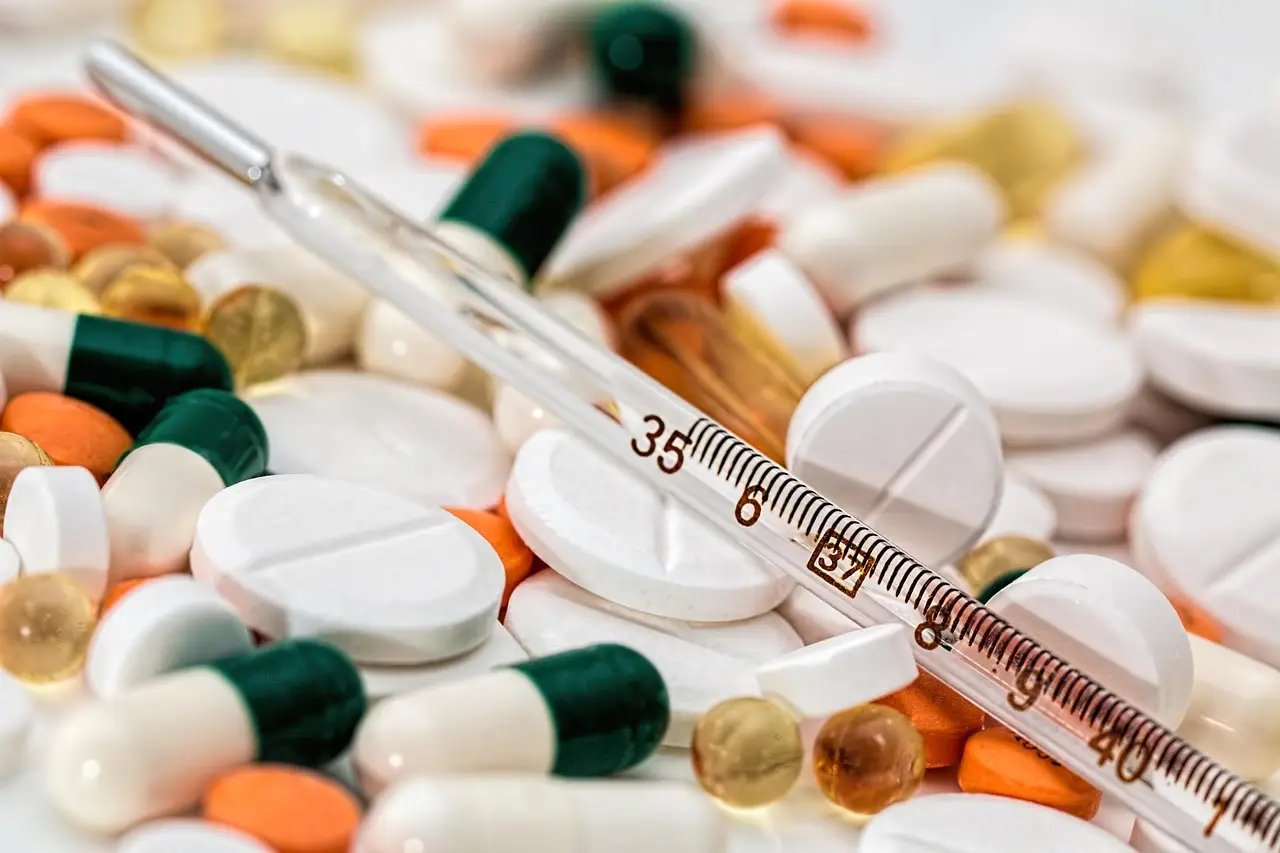
Photo: stevepb / pixabay
By Elena Vasquez
The FDA has authorized the first generic drug to treat New World screwworm (NWS) myiasis in companion animals, DVM360 reported. The clearance, issued through the FDA Center for Veterinary Medicine, creates a second-source therapeutic option for a parasite the country has spent decades keeping beyond its borders.
What NWS myiasis is and why the designation matters
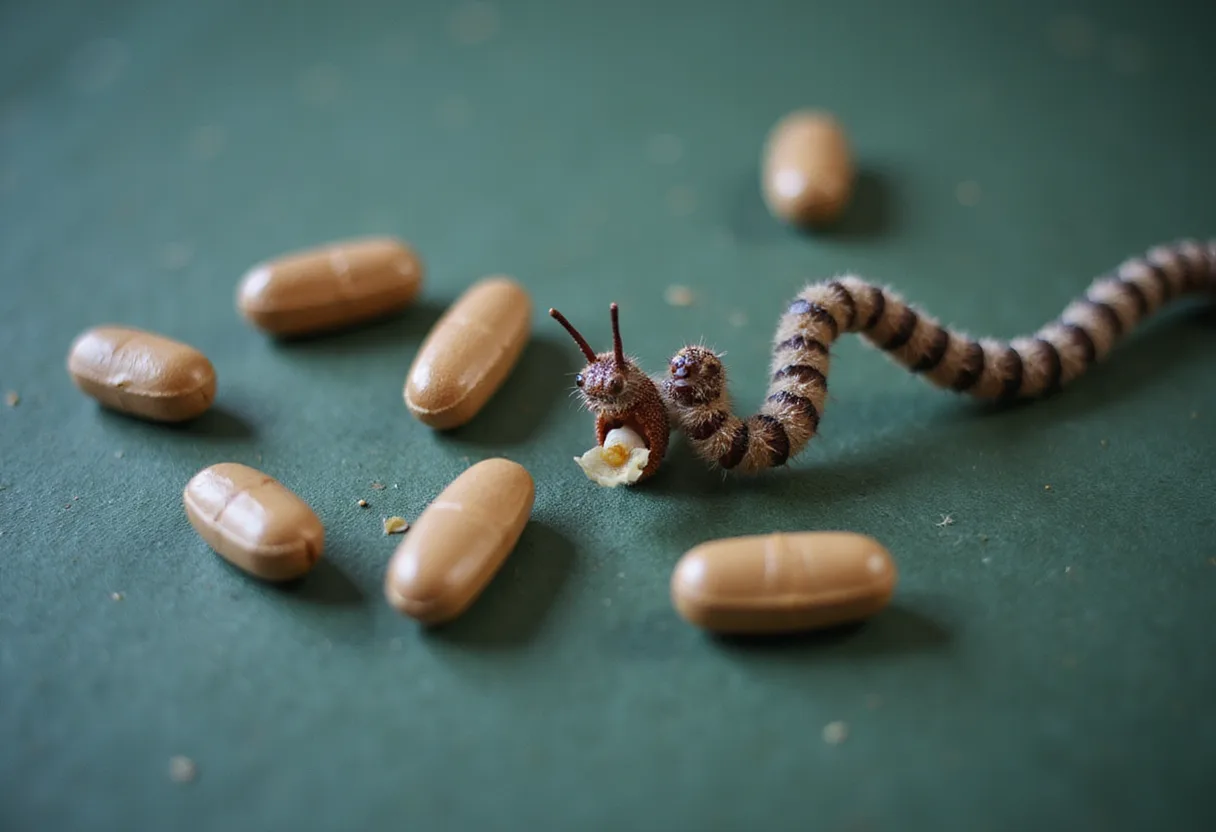
NWS myiasis develops when Cochliomyia hominivorax larvae infest the living tissue of warm-blooded animals, companion species included. The female fly lays eggs on open wounds or mucous membranes. Larvae then feed on living tissue. Untreated cases progress to systemic illness and death. The condition carries mandatory reporting status in the United States. USDA classifies the parasite as a foreign animal disease and maintains a sterile insect technique barrier in Mexico to keep it from re-entering US herds and companion animal populations.
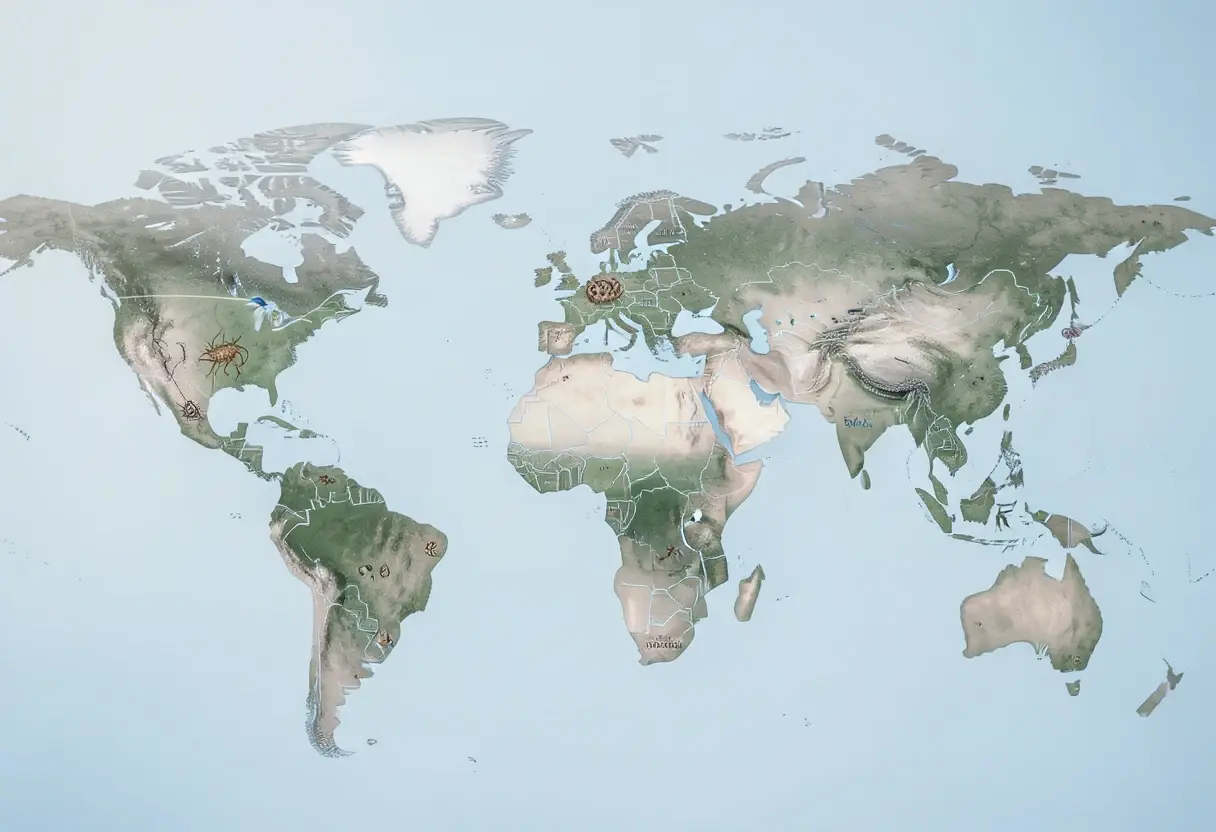
Historical detections in Florida, Texas, and the US Virgin Islands show the parasite retains capacity to reach US territory. Practitioners in southern-tier practices face the highest case probability.
What a generic clearance signals
An FDA generic approval indicates the agency found bioequivalence to a previously approved reference listed drug. The standard mirrors human generic regulation. For dispensing, that determination generally translates to three practice-level effects.
- Treatment cost per case typically declines with additional manufacturers.
- Veterinary pharmacies gain a second source, which reduces stockout risk during regional detections.
- The pathway signals stable demand sufficient to attract additional sponsors.
The takeaway: a generic pathway signals the market can support additional manufacturers for a niche parasitic treatment.
What the source confirms and what it does not
The DVM360 item confirms the authorization and its generic status. It does not name the manufacturer, the active ingredient, the dosage form, or the specific approved species. Practitioners monitoring inventory should request label details from the manufacturer before substituting stock for branded inventory. Substitution decisions belong to the prescribing veterinarian and the dispensing pharmacist, working within their state practice act.
The FDA has not publicly listed additional sponsors pursuing generic versions. Industry history suggests more applications typically follow a successful first authorization, but each sponsor must clear the agency review process independently.
Where this fits in the broader regulatory picture
USDA APHIS continues to screen imported animals at ports of entry. The generic authorization does not alter import requirements for dogs arriving from NWS-endemic regions, nor does it change the federal response protocol triggered by any domestic detection. Confirmed cases still initiate premises quarantine and a full APHIS-led investigation.
State animal health officials retain authority for intrastate movement restrictions. Veterinarians should confirm reporting requirements with their state veterinarian, as protocols differ by jurisdiction and detection status changes the workflow substantially.
For practices serving clients who travel internationally with pets, the message remains unchanged. Compliance with USDA entry requirements remains the primary preventive layer. The generic drug is a treatment, not a preventive measure.
Looking ahead
The authorization establishes a regulatory template for additional NWS myiasis therapeutics to reach the market. Veterinary distributors should expect supply diversification over coming quarters if additional sponsors follow the first generic's lead. Practitioners would do well to verify label coverage, species approval, and procurement timelines with their primary distributor before stocking decisions lock in for the year.
Source: Google News: Veterinary drugs
Elena Vasquez
Show full bio
Market editor covering money, funding and market shifts around Small- and large-animal clinical practice at The Vet Scope.
Related articles
FDA widens screwworm drug list, adding generic pet options
New Mexico confirms two more screwworm cases in Grant County
FSIS Updates Drug Residue Surveillance as Screwworm Response Expands
FDA clears emergency-use treatment for New World screwworm in dogs and cats
Virginia Tech ecologist weighs in on New World screwworm