FSIS Updates Drug Residue Surveillance as Screwworm Response Expands
USDA's Food Safety and Inspection Service has revised its veterinary drug residue surveillance program in response to the New World Screwworm situation, Food Safety Magazine reports.
Updated
Photo: AI-generated
More than 60 years after the United States declared New World Screwworm eradicated in 1966, the Department of Agriculture's Food Safety and Inspection Service has revised its veterinary drug residue surveillance program in response to the parasite's return, Food Safety Magazine reports.
The update signals that FSIS's National Residue Program — long focused on routine antibiotic, antiparasitic and anti-inflammatory screening in meat and poultry — is being re-examined as livestock producers and veterinarians prepare for treatment regimens that could accompany NWS control.
What NWS means for the residue program
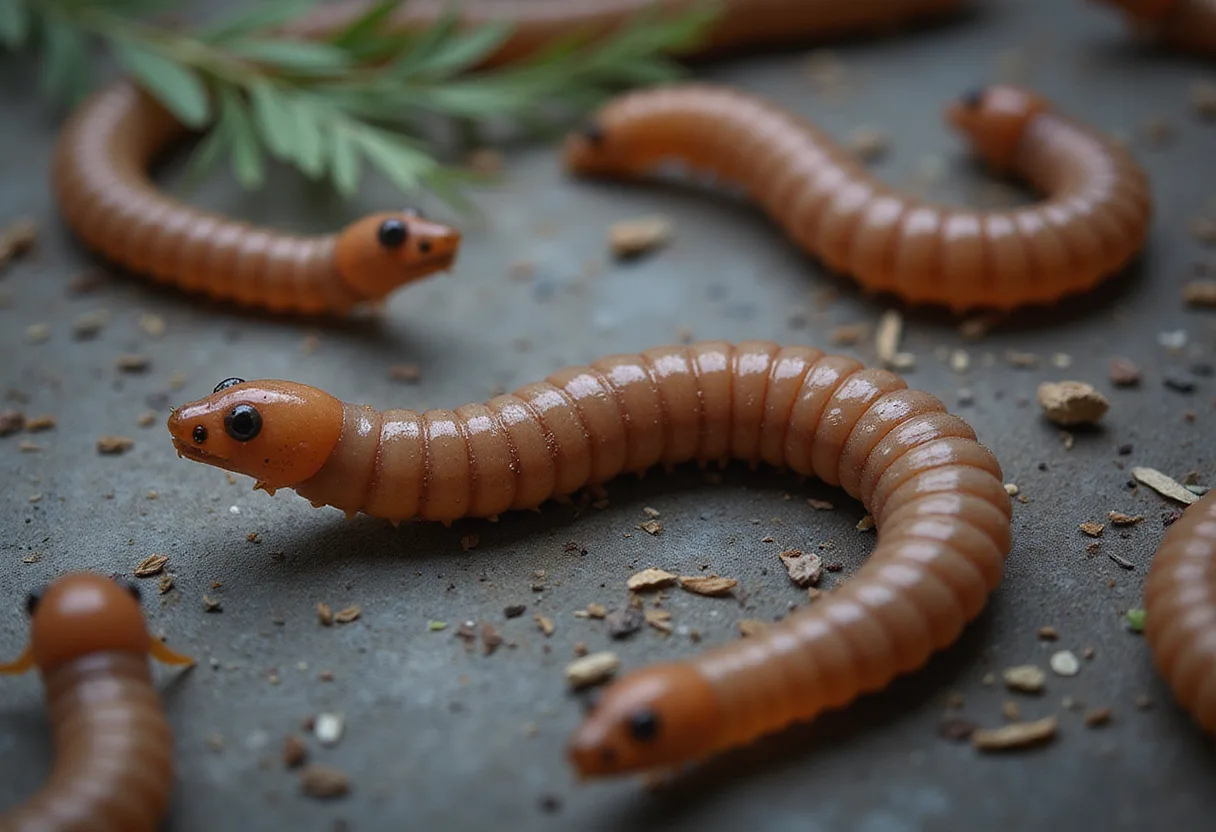
New World Screwworm (Cochliomyia hominivorax) is a parasitic fly whose larvae feed on living tissue of warm-blooded animals, primarily cattle, sheep and other livestock. USDA held the pest south of the Darién Gap for decades through sterile fly releases, until detections in Mexico in late 2024 revived concerns about northward spread.
If approved or emergency-use parasiticides, larvicides or wound-treatment compounds are deployed at scale against NWS in U.S. herds, FSIS inspectors need assurance that edible tissues remain below tolerance thresholds set by the FDA Center for Veterinary Medicine (CVM).
What changes at the slaughter plant
The NRP collects tissue samples at slaughter and analyzes them for compounds that could harm consumers or signal off-label drug use. Surveillance-plan updates of the sort Food Safety Magazine references typically expand analyte panels, adjust sampling priorities by production class, or set new inspection targets for specific compounds.
For a cow-calf operator in Texas or Florida, the change shows up at harvest: more samples, more compounds screened, and tighter records of any extra-label drug use authorized by a veterinarian under the Animal Medicinal Drug Use Clarification Act (AMDUCA).
Public health and trade implications
The companion-animal angle is narrow — NWS primarily infests livestock and wildlife, not dogs and cats — but small ruminant, equine and backyard poultry producers fall under the same NRP umbrella as commercial cattle.
Public health enters through the food supply. Residue screening protects consumers from subtherapeutic antibiotic exposure and pharmacologically active compounds, and it underpins the U.S. export market for beef, pork and poultry. Many importing countries require documentation equivalent to U.S. residue-testing standards before shipments clear port.
A confirmed NWS finding in a U.S. herd could also force state and federal authorities to quarantine premises, restrict animal movement and require treatment of infested animals before slaughter clearance.
Three agencies with overlapping stakes
- USDA APHIS leads animal disease control and the sterile fly program.
- FDA CVM sets tolerances for veterinary drug residues and approves new animal drugs.
- FSIS conducts the slaughter-floor testing that flags violations.
The split matters when reading agency announcements: an APHIS directive on treatment protocols may not align with FSIS residue testing thresholds or CVM-labeled withdrawal times.
What to watch next
The practical questions for practitioners and producers: when FSIS will publish the updated sampling plan, which compounds will be added or prioritized, and how documentation of any emergency NWS treatments will be handled at slaughter inspection.
Updated FSIS residue plans typically appear in the Federal Register and agency directives, with implementation rolled out over the following quarter. Producers treating livestock for NWS should retain records of drug, dose, route and withdrawal interval to support inspector review at harvest.
Source: Google News: Veterinary drugs
Amara Osei
Show full bio
Correspondent covering companies, deals and strategy in Small- and large-animal clinical practice at The Vet Scope.