AAHA's 2026 Parasitology Guidelines Target 12 Emerging Threats
AAHA's free 2026 One Health guidelines cover 12 emerging dog and cat parasites, plus nine more, with guidance on testing, stewardship, reporting and client education.
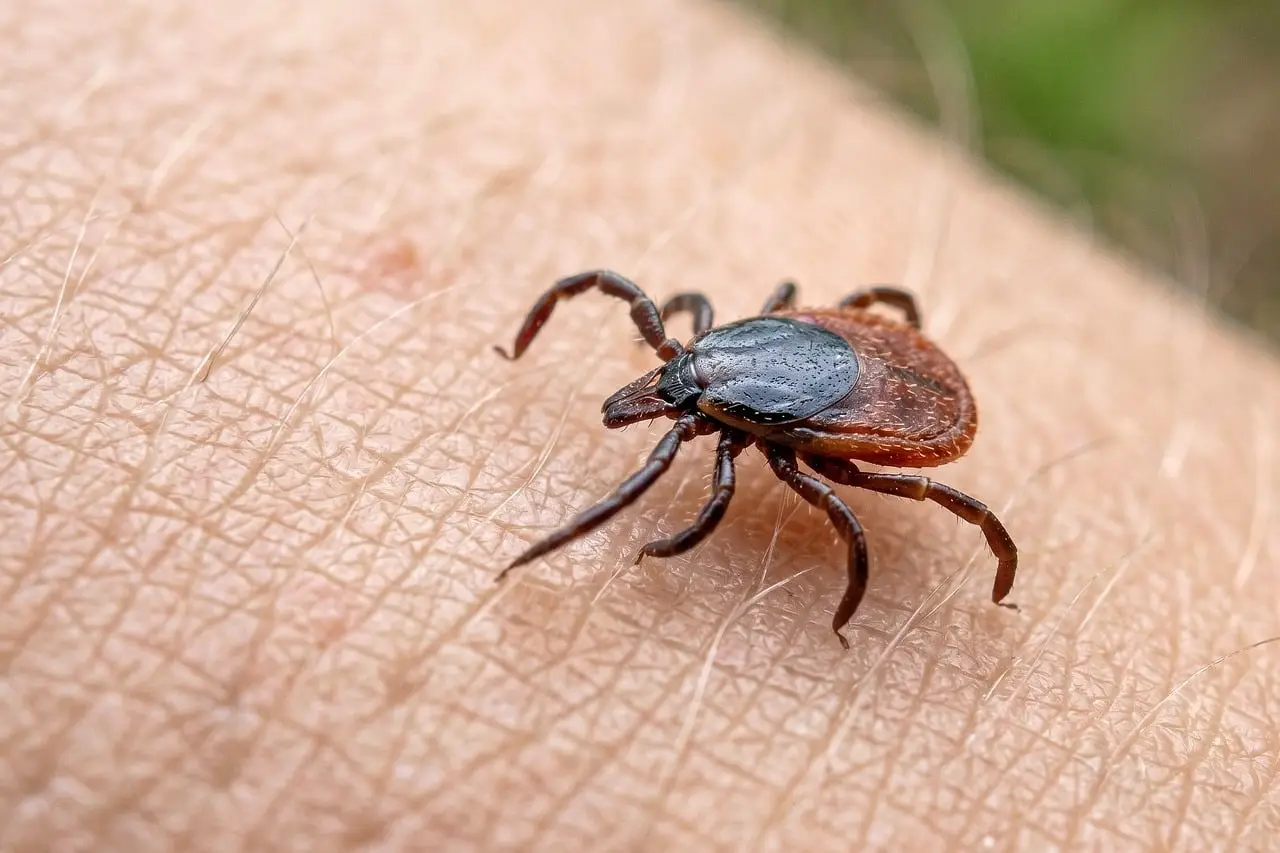
Photo: 13228026 / pixabay
The American Animal Hospital Association (AAHA) has released the 2026 AAHA One Health Guidelines: Emerging Concerns in Canine and Feline Parasitology, a free resource covering 12 emerging parasites of greatest concern in dogs and cats — plus nine more flagged as potential concerns.
The document is not a textbook chapter. It is a working manual. For each parasite, it offers practical recommendations on four things clinical teams touch every day: recognition, diagnostic testing, treatment, and client education.
Why are these parasites emerging now?
The guidelines name four drivers, and each one changes what happens at the exam table:
- Antiparasitic drug use and resistance. More drug pressure selects for resistant populations, which means standard protocols may fail without stewardship.
- Environmental and host changes. Shifting climates and host ecologies move parasites into new geographies.
- Greater animal movement and interaction. Travel, transport and rehoming carry parasites across regions faster than local surveillance tracks them.
- Improved detection. Better surveillance and diagnostic technologies find organisms that were always present but previously missed.
That last driver deserves emphasis from a diagnostic standpoint. Some "emerging" parasites are emerging in the data, not necessarily in the field — a distinction that affects how clinics interpret positive results.
What do the guidelines ask practices to do?
AAHA frames its recommendations around four actions for veterinary teams:
- Adopt a One Health approach to parasite monitoring and management.
- Apply antiparasitic drug stewardship principles.
- Recognize potentially reportable diseases.
- Select appropriate diagnostic tests.
The guidelines also tackle zoonotic risk head-on. They spell out when veterinary professionals should contact public health officials or other appropriate authorities — a workflow many practices have never formalized. For companion-animal medicine, that means clearer triage between "treat and document" and "report and coordinate."
The public-health dimension sits inside that reporting pathway. Because several of the flagged parasites carry zoonotic potential, the guidelines position the small-animal clinic as an early sensor in the human health system, not a siloed service.
What do the co-chairs say?
Co-chair Kathryn Duncan, DVM, PhD, DACVM (Parasitology), emphasized that parasite control requires a multimodal approach rather than a single solution, including effective communication with clients. No single product, test or protocol covers the problem.
Co-chair Jason Stull, VMD, MPVM, PhD, DACVPM, highlighted the guidelines' focus on discussing disease risks to both people and pets, as well as addressing client concerns and barriers to antiparasitic drug use — including medication hesitancy.
Stull's point lands squarely on current practice reality. Owners increasingly question preventives, and the guidelines treat that hesitancy as a manageable clinical variable rather than an obstacle. The client-education sections give teams language for the conversation.
How should practices use it?
The resource is free, and AAHA has published it openly on its website. Practices can fold it into protocol reviews, staff training and client-communication scripts. The structure — recognition, testing, treatment, education — maps directly onto appointment workflow, from intake questions to discharge instructions.
Because the drivers of emergence are accelerating rather than stabilizing, these guidelines will likely need revision cycles. Practices that build the One Health and stewardship habits now will absorb the next parasite list faster when it arrives.
Original: aaha.org
Grace Kim
Show full bio
Staff writer covering regulation, policy and their impact on Small- and large-animal clinical practice at The Vet Scope.
Related articles
AAHA Previews 2026 One Health Parasitology Guidelines for Dogs and Cats
MiDOG Launches First NGS-Based Parasite Detection Test for Veterinary Use
USDA APHIS posts New World Screwworm Response resource
CIRAD Signs ASEACA Project to Counter Zoonotic Emergence Risks
FDA clears emergency-use treatment for New World screwworm in dogs and cats