New Mexico Confirms Two More New World Screwworm Cases
New Mexico has confirmed two additional New World screwworm cases, extending the outbreak zone and raising the stakes for livestock wound checks across the region.
Updated
Photo: noelsch / pixabay
New Mexico animal health officials have confirmed two additional cases of New World screwworm, extending the documented presence of the parasite in the state beyond its earlier index findings. The announcement, reported by High Plains Journal, signals that the detection event first flagged in New Mexico now involves multiple animals rather than a single isolated case.
For veterinarians in New Mexico and adjacent states, the practical consequence is immediate. Any livestock or domestic animal presenting with a wound that fails to heal, or with larvae in open tissue, now warrants presumptive consideration of screwworm until proven otherwise. Confirmed or suspected findings must go to state animal health authorities without delay.
Why two more cases matter
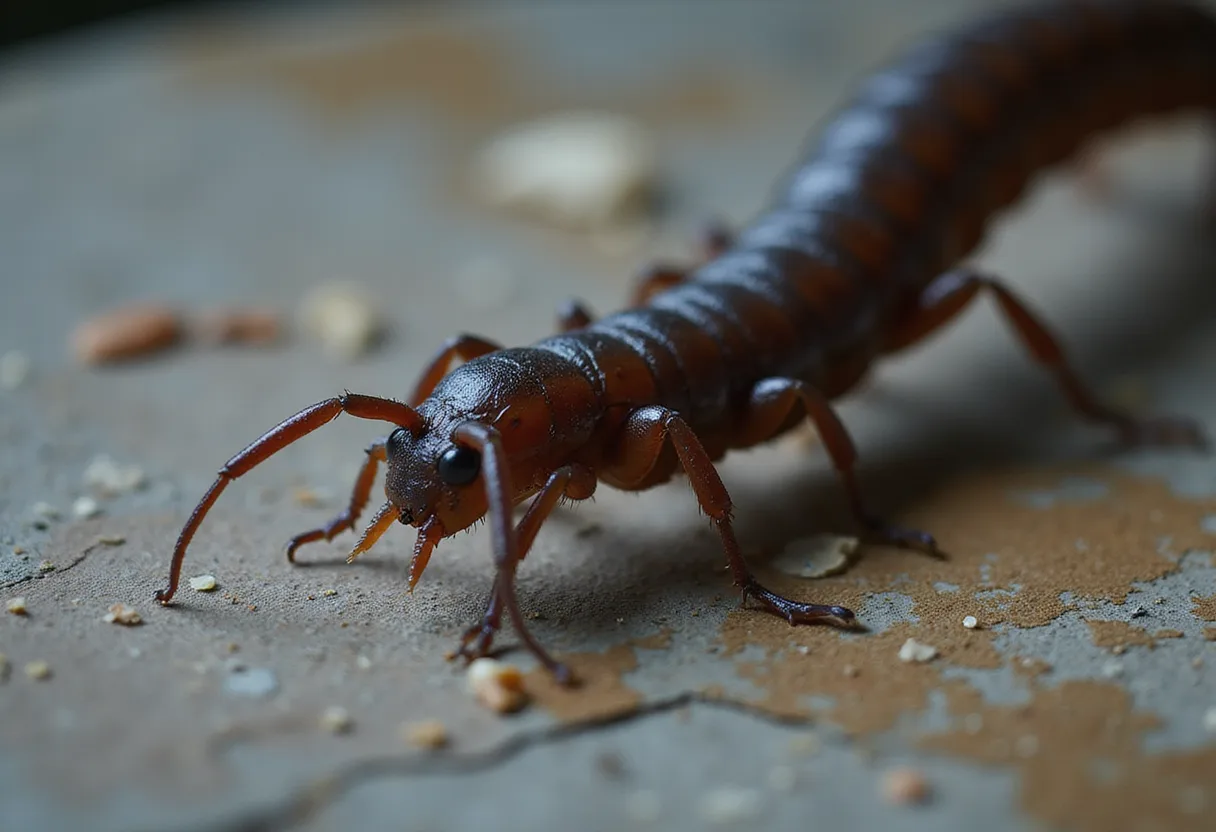
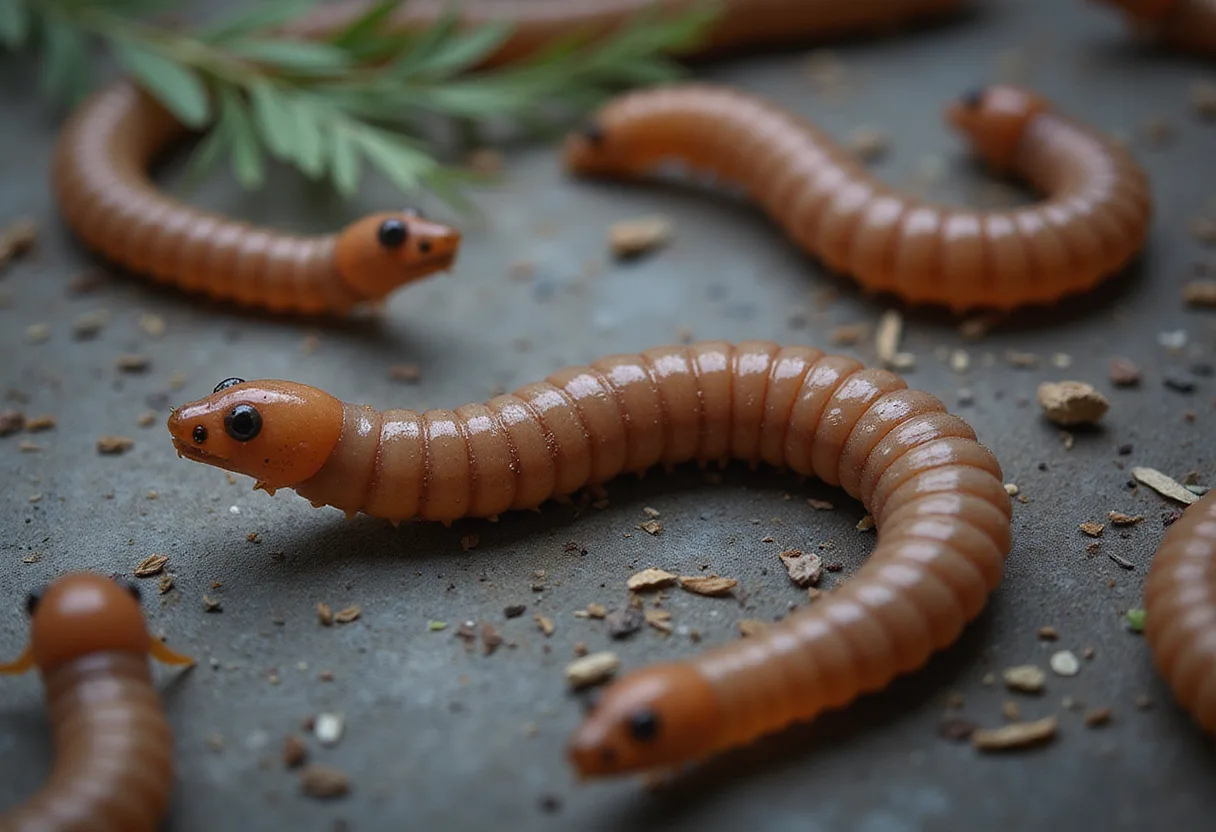
A single case can be an importation event. Additional confirmations in the same state suggest the parasite has found local opportunity to infest animals, and each new detection expands the zone of veterinary vigilance. New World screwworm larvae feed on living flesh of warm-blooded animals, which is what separates them from ordinary wound myiasis and what makes every confirmation a reportable event.
The disease was eradicated from the United States decades ago through the sterile insect technique, so any domestic case represents a breakdown in that historical barrier rather than routine endemic occurrence.
What should practitioners do now?
The confirmed cases place obligations on clinics, ranches and regulatory veterinarians across the region:
- Examine all wounds, docking sites, branding sites and navels of newborns for larvae.
- Handle suspected larvae as regulatory material, not as routine casework.
- Report suspicions to New Mexico livestock officials at once.
- Coordinate with owners on movement controls if officials direct them.
One takeaway in plain words: any maggot in a wound in New Mexico right now is a regulatory question first and a treatment question second.
Separate stakes for each sector
For companion-animal practice, dogs and horses with wounds, post-surgical sites or tick bites fall within the host range, and owners should hear that prompt wound care matters.
For food-animal producers, cattle, sheep and goats carry the heaviest economic exposure, since infestations strike working herds and can trigger movement restrictions and trade consequences once a zone is affected.
For public health, New World screwworm can infest humans, though livestock remain the primary concern for regulators tracking this event.
What comes next
The trajectory now depends on surveillance: whether further surveillance in New Mexico and neighboring states turns up more infestations, and whether state and federal authorities respond with movement controls or renewed sterile-fly releases. Veterinarians in the region should treat the next several weeks as an active detection window.
Source: Google News: Livestock health
Elena Vasquez
Show full bio
Market editor covering money, funding and market shifts around Small- and large-animal clinical practice at The Vet Scope.
Related articles
New World Screwworm Returns to Texas, First Detection Since 1966
US Reopens Another Port to Mexican Cattle as Screwworm Cases Persist Nearby
New World Screwworm Confirmed in Texas, Ending Decades of U.S. Eradication
New Screwworm Cases Reach New Mexico as U.S. Detections Rise
USDA Confirms Two More New World Screwworm Cases