CDC warns 'rhino tranq' is spreading in illicit fentanyl supply
The CDC warns a veterinary tranquilizer dubbed 'rhino tranq' is spreading through illicit fentanyl, putting clinic inventory controls and regulators on alert.
Updated
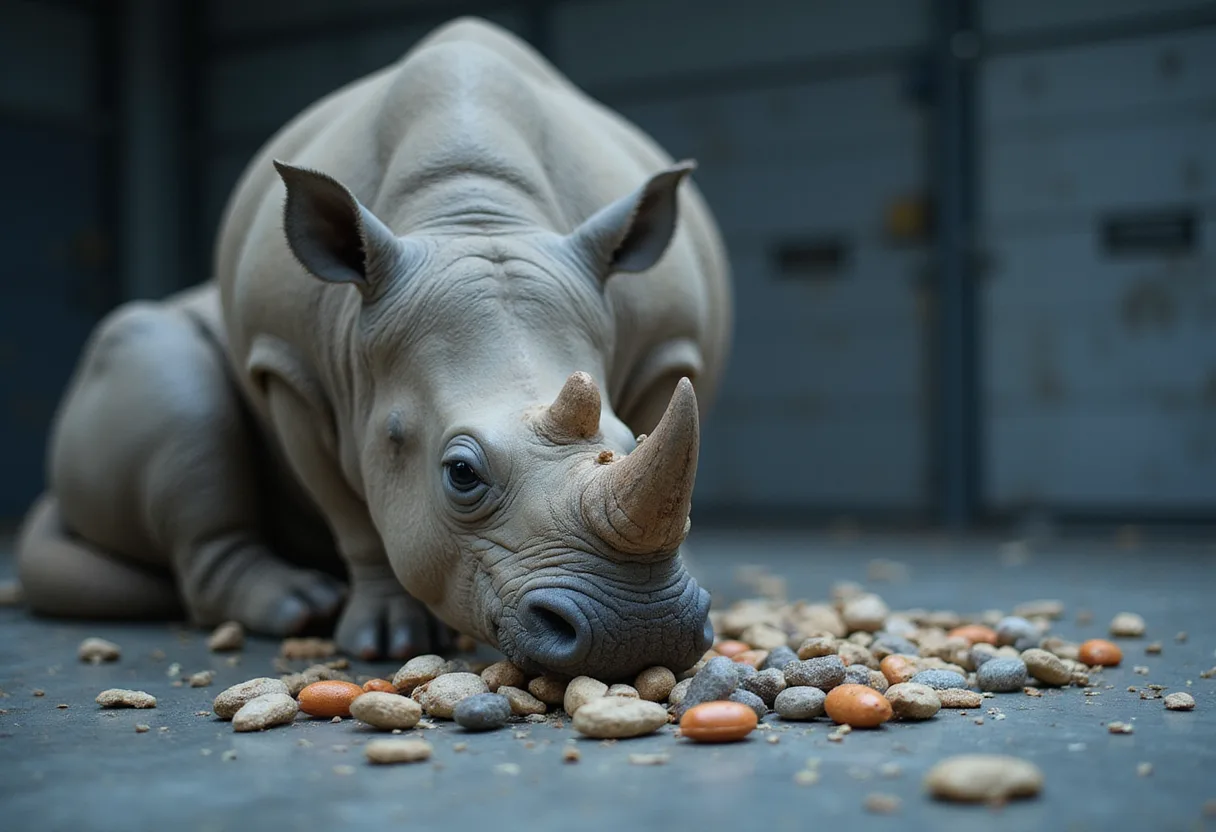
Photo: RheaHoldstock / pixabay
The CDC has issued a warning that a dangerous veterinary drug, known on the street as "rhino tranq," is spreading through the illicit fentanyl supply. The federal alert puts veterinarians, public-health officials and regulators on notice that a product intended for animal use now sits inside a national drug-contamination crisis.
The nickname points to the drug's legitimate life. Large-animal tranquilizers in this class belong in the barn and the capture boma, not in the human drug supply. Its appearance in illicit fentanyl means users are exposed to a substance they never chose, with effects that standard opioid overdose response may not fully address.
What does the warning change for practitioners?
For veterinarians, the practical concern is custody. Any tranquilizer with street value invites diversion, and a CDC alert naming a veterinary drug raises the scrutiny around how clinics store, log and dispose of controlled sedatives. Clinics that already audit their inventories will find the exercise newly consequential.
Three practice-level implications stand out:
- Inventory control on large-animal sedatives warrants a fresh look, whatever the current framework requires.
- Staff training on diversion warning signs matters more when federal authorities flag misuse by name.
- Disposal records may draw questions from regulators tracking where product moves.
Companion-animal practices face little direct exposure; the drug at issue belongs to the large-animal and exotic-animal side of the profession. Food-animal veterinarians carry the heavier load, because their formularies hold the agents now circulating outside medicine.
What is the public-health picture?
The alert is, at its core, a human-drug story. People buying fentanyl on the street now risk consuming a veterinary tranquilizer mixed into it, and emergency responders must weigh how the combination behaves in overdose. That burden falls on public-health and emergency-medicine channels rather than veterinary ones.
Still, the veterinary profession sits upstream of the problem. Regulators have long balanced access against diversion risk for animal sedatives, and a CDC warning sharpens that balance. Agencies that oversee veterinary controlled substances — alongside the FDA in its veterinary-medicine capacity — may revisit scheduling, record-keeping or prescribing rules if the contaminant keeps spreading.
Why the nickname matters
Street names travel faster than pharmacology. "Rhino tranq" tells investigators and clinicians the product likely originates from large-animal or wildlife practice, where potent sedation is routine and doses are calibrated for animals several times human weight. The gap between a rhino dose and a human one is the gap that makes contamination lethal.
No specific case counts, dates or regulatory actions appear in the alert as reported. The warning itself is the fact: a veterinary drug has crossed into the illicit supply, and the CDC wants clinicians and the public to know it.
The forward question is regulatory. If contamination persists, veterinary clinics should expect tighter tracking of the sedatives they have always kept on the shelf — and practitioners who document carefully now will have the easiest adjustment later.
Source: Google News: Veterinary drugs
Elena Vasquez
Show full bio
Market editor covering money, funding and market shifts around Small- and large-animal clinical practice at The Vet Scope.
Related articles
CDC Warns Veterinary Tranquilizer Is Spreading in Illicit Fentanyl
CDC warns veterinary sedative is spreading in illicit fentanyl
CDC Flags 'Rhino Tranq' as Veterinary Sedative Spreads Through Fentanyl Supply
Two Charged After Drug Theft from Farmington Veterinary Clinic
AVMA presses federal action on xylazine scheduling and rural vet shortage