Two Charged After Drug Theft from Farmington Veterinary Clinic
Two individuals face charges after drugs were stolen from a Farmington, Maine veterinary clinic, renewing focus on controlled-substance security and reporting duties for practices.
Updated
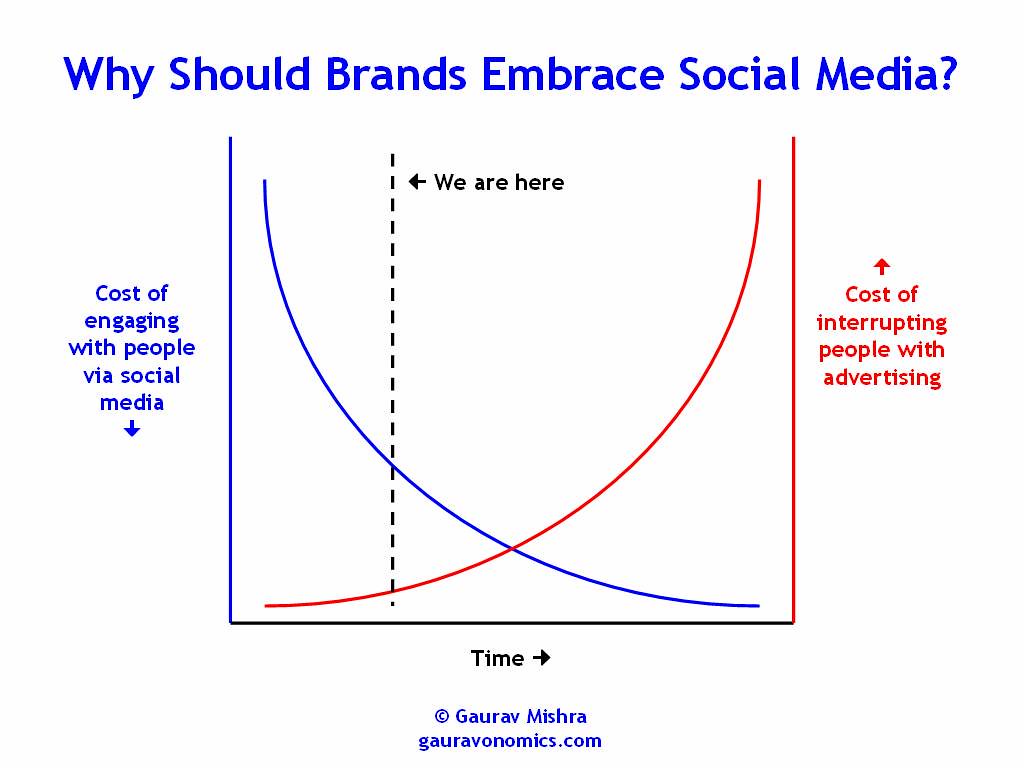
Photo: Gauravonomics / Openverse
Two people face charges after drugs were stolen from a veterinary clinic in Farmington, Maine, WGME reports. The theft places a routine small-animal practice at the center of a problem that touches every clinic stocking controlled substances: when veterinary pharmaceuticals leave the building, the exposure runs in two directions — public health and regulatory compliance.
The report names the location and the outcome — two individuals charged — but the underlying event follows a pattern well known to regulators and practitioners. Veterinary clinics hold sedatives, opioids and anesthetics that are diversion targets, and a burglary or theft triggers obligations that extend well beyond filing a police report.
What a clinic theft sets in motion
For practices regulated by the Drug Enforcement Administration, the loss of controlled substances requires prompt reporting — to the DEA, through the appropriate form for theft or significant loss, and to local law enforcement. Deadlines are short, and the definition of "significant loss" is deliberately broad. A practice that delays reporting compounds a criminal incident with a compliance failure.
State boards add another layer. In Maine, as in most states, the veterinary licensing board can review whether the clinic stored, inventoried and documented its controlled substances adequately. A theft that reveals lax recordkeeping can cost a license even when the clinic is the victim of the underlying crime.
The public-health dimension
Stolen veterinary drugs do not stay in the veterinary supply chain. Products intended for animal patients — including opioids and potent sedatives — can end up in human misuse. That is why law enforcement agencies treat clinic break-ins as diversion investigations rather than simple property crimes, and why charges against the individuals who took the drugs often carry weight beyond the value of the inventory involved.
For Farmington, a town of roughly 7,700 in Franklin County, the case is local. For the profession, it is a reminder that a clinic's drug cabinet is a recognized target, in rural counties as much as in metropolitan areas.
What changes at the practice level
The practical takeaways for practitioners are straightforward and date back to longstanding DEA security requirements:
- Store Schedule II substances in a substantially constructed, securely locked cabinet or safe, with access limited to the minimum number of essential personnel.
- Maintain running inventories and reconcile them on a set schedule, so a loss is detected in days, not months.
- Confirm reporting pathways — DEA field office, local police, state board — before an incident, not after.
- Review physical security: alarms, cameras, lighting and after-hours access, all of which investigators typically examine following a break-in.
Practices that handle food-animal work should note that the calculus there differs. Drugs diverted from a food-animal practice can include compounds with human-food-safety implications, and documentation gaps complicate residue and withdrawal questions for clients' herds. Companion-animal clinics carry the larger volume of diversion-target opioids — a reality reflected in federal attention to veterinary prescribing of drugs such as tramadol and hydrocodone over the past decade.
The case itself
WGME's report confirms the essentials: a drug theft at a Farmington veterinary clinic and two individuals now charged. Details of the charging documents, the substances involved and the timeline were not specified in the report, and those specifics will shape the compliance consequences for the practice. If the stolen inventory included controlled substances, DEA reporting obligations applied from the moment the loss was discovered.
Prosecutors will handle the criminal questions. The clinic's parallel task — proving it stored and documented its drugs to standard — is the part of the story every practice should read as its own.
Expect continued scrutiny of veterinary controlled-substance handling as diversion enforcement tightens; clinics that audit their security now will face the next incident, if it comes, with far less exposure.
Source: Google News: Veterinary drugs
Grace Kim
Show full bio
Staff writer covering marketplaces and e-commerce at The Vet Scope.
Related articles
Veterinarians Press Regulators as Medicine Shortages Deepen
FDA names Timothy Schell to head Center for Veterinary Medicine
EU Food Supply Largely Compliant With Veterinary Drug Residue Limits
Access VetMed publishes manifesto for European veterinary medicine
Healthy Livestock Can Transmit Drug-Resistant Bacteria to Humans