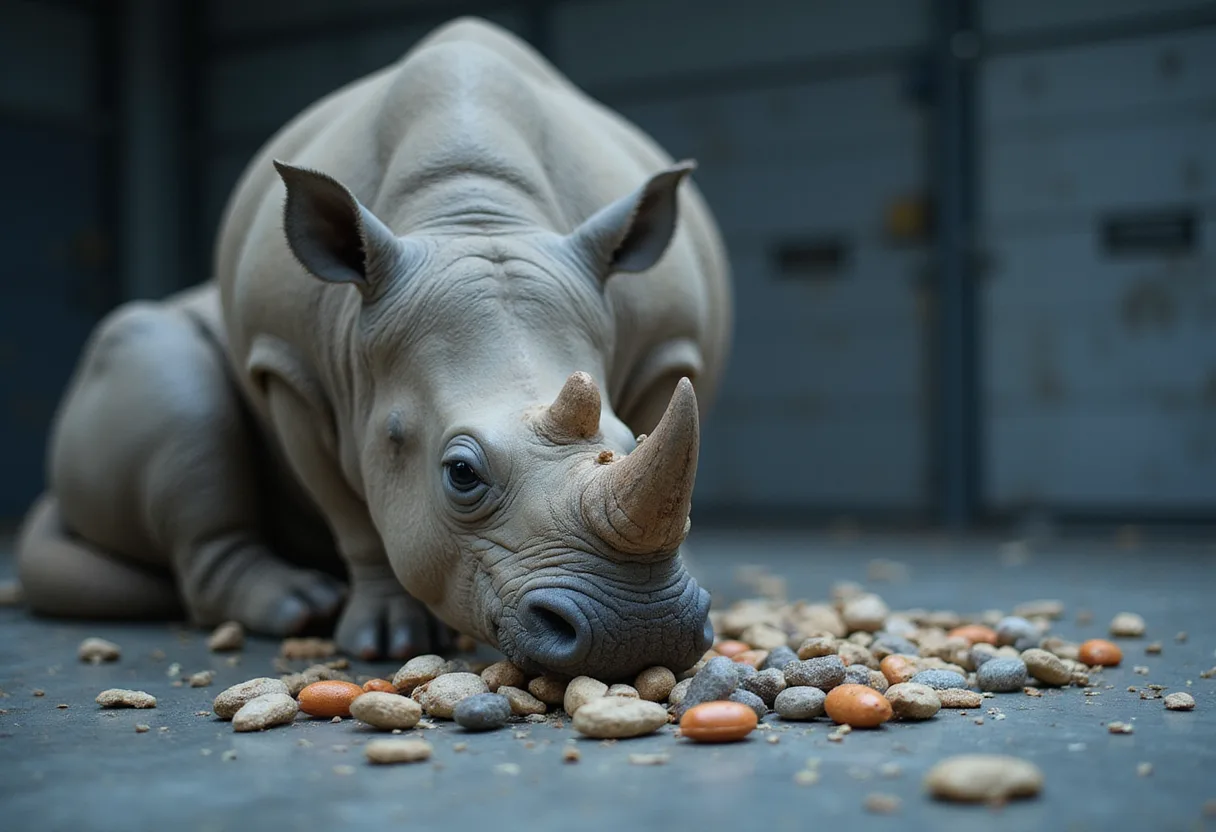
CDC warns veterinary sedative is spreading in illicit fentanyl
The CDC warns a veterinary large-animal sedative dubbed 'rhino tranq' is spreading through illicit fentanyl, raising overdose risks and regulatory scrutiny.
Updated
The CDC is warning that a veterinary sedative known on the street as "rhino tranq" is spreading through the illicit fentanyl supply, according to a report by WGME.
The nickname points to the drug's origin: a sedative used in large-animal medicine, including rhinoceros handling and other wildlife and livestock procedures. The same compound now appears as an adulterant in illegal fentanyl, and the CDC says its presence is growing.
What is 'rhino tranq'?
The term describes a potent animal tranquilizer that has crossed from veterinary use into the recreational drug supply. WGME reports that the CDC has flagged the substance as increasingly common in illicit fentanyl samples. The agency's warning targets public health responders, emergency departments, and communities already grappling with fentanyl-driven overdoses.
The danger is twofold. Fentanyl itself drives respiratory depression and overdose death. Adding a sedative designed for large mammals compounds that risk, and the combination may behave differently in humans than either drug alone.
What does this mean for veterinarians?
For the profession, the warning lands on an old pressure point: controlled and potent veterinary drugs, from ketamine to large-animal sedatives, sit in clinic inventories that regulators and public health agencies watch closely.
A CDC warning about a veterinary compound in the street drug supply typically signals tighter scrutiny ahead. That can mean:
- Increased attention to inventory control and logging for large-animal sedatives
- Renewed DEA and state board interest in clinic storage and recordkeeping
- Client-facing questions about why such drugs are kept on premises
Public health vs. companion-animal practice
The implications separate cleanly. This is a public health story, not a companion-animal clinical story. The drug involved is a large-animal and wildlife sedative, not a routine small-animal clinic drug. Food-animal and zoo or wildlife practitioners who stock such agents are the practices most likely to feel any regulatory follow-through.
For emergency responders and public health officials, the CDC's alert adds a new variable to overdose response. Naloxone reverses opioids; it does not reverse sedatives. A fentanyl-adulterant mixture that includes a large-animal tranquilizer may not respond to standard overdose reversal the way pure opioid intoxication does.
Why the name matters
Street naming — "tranq," now "rhino tranq" — tracks the animal-health origin of these compounds. The earlier wave, xylazine, earned the street name "tranq" and prompted federal action and state-level veterinary reporting requirements. The appearance of a new rhino-associated nickname suggests a different or additional compound has entered the supply.
WGME's report does not specify case counts, geographic clusters, or the exact compound involved; the CDC warning itself is the story. Veterinarians seeking specifics should watch for the agency's formal health advisory, which would carry the identifying details.
What comes next
Expect the CDC to publish detection data and guidance for clinicians and coroners in the coming weeks. If the pattern follows prior adulterant waves, state veterinary boards and the DEA will review access controls for the sedatives involved.
Source: Google News: Veterinary drugs
Grace Kim
Show full bio
Staff writer covering regulation, policy and their impact on Small- and large-animal clinical practice at The Vet Scope.
Related articles
CDC Warns Veterinary Tranquilizer Is Spreading in Illicit Fentanyl
CDC Flags 'Rhino Tranq' as Veterinary Sedative Spreads Through Fentanyl Supply
Veterinary Sedative Medetomidine Detected in 83% of Philadelphia Fentanyl
AVMA presses federal action on xylazine scheduling and rural vet shortage
Veterinary drug distributor settles opioid case for $100,000