Michigan Approves 2027 Farm Practice Rules With New Biosecurity Language
Michigan's agriculture commission approved 2027 GAAMPs and GAPPs, adding written biosecurity plan language for livestock operations and new practices for beekeepers with 40 or more hives.
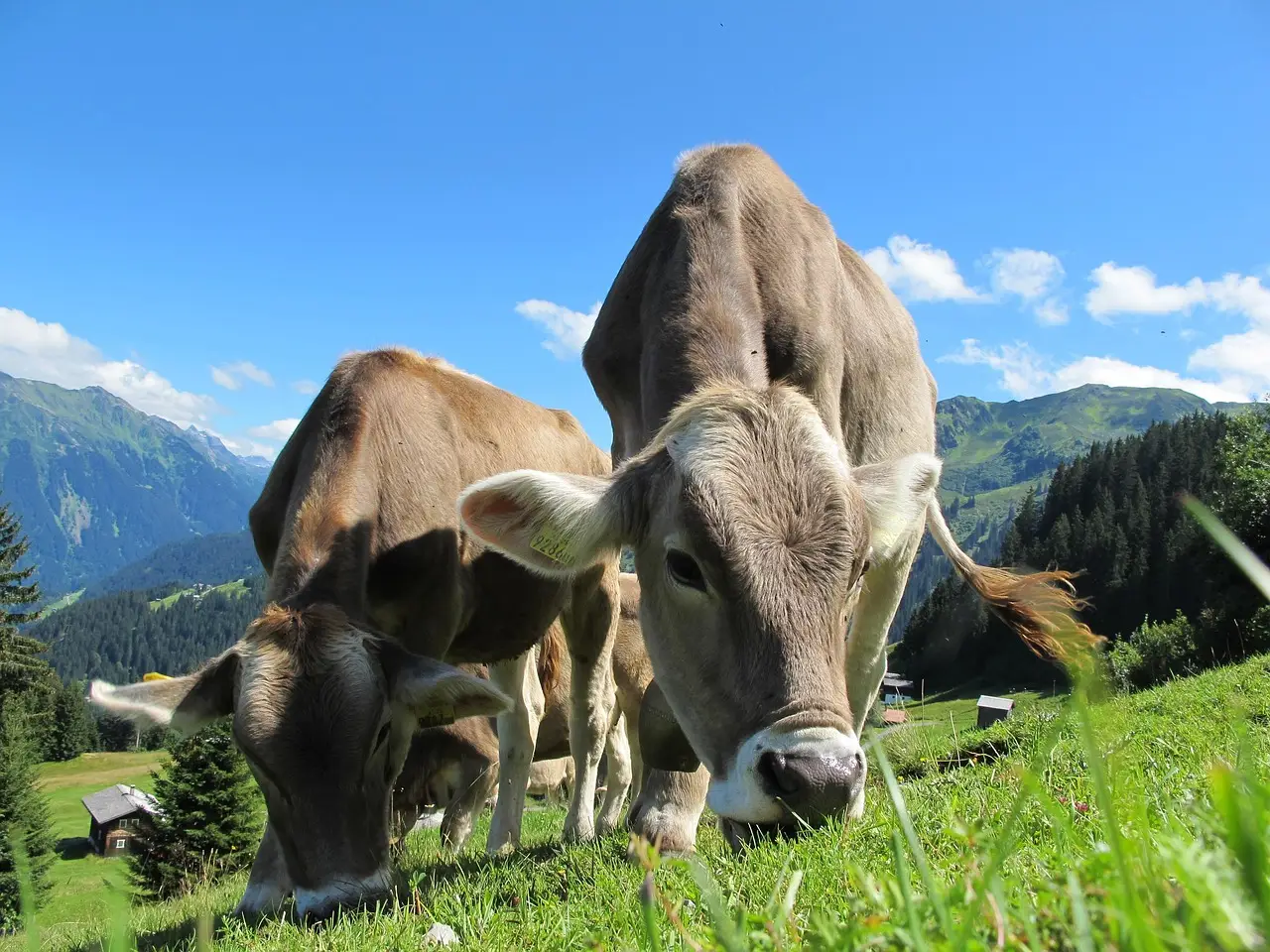
Photo: maxmann / pixabay
The Michigan Commission of Agriculture and Rural Development has approved the proposed drafts of the 2027 Generally Accepted Agricultural and Management Practices (GAAMPs) and the Generally Accepted Processing Practices (GAPPs). The decision sets the voluntary standards Michigan farm and processing operators will work under when the 2027 cycle takes effect.
The GAAMPs and GAPPs are voluntary, scientifically based guidelines covering farm operations and food and feed processing facilities. According to the Michigan Department of Agriculture and Rural Development (MDARD), implemented guidelines mitigate nuisance conditions and promote environmental stewardship by helping producers make sound management decisions for their operations. In short, they define what good practice looks like for Michigan agriculture without imposing a mandate.
Each guideline is developed and refined with input from the GAAMPs and GAPPs Advisory Committees and from the public. The documents undergo periodic review so they reflect the latest scientific understanding, technological advancements and industry standards.
What changes for livestock and bee operations?
The Commission approved all proposed changes to the 2027 GAAMPs and GAPPs. Four edits stand out for veterinary and livestock readers.
- Animal Care GAAMPs — The honeybee section now includes additional recommended management practices for operations with 40 hives or more. The same document adds new language recommending that livestock operations maintain a written biosecurity plan.
- Site Selection and Odor Control for New and Expanding Livestock Facilities GAAMPs — The definition of 'non-farm residence' used in these standards has been modified.
- Greenhouse and Indoor Growing Facilities GAAMPs — This is a new set of standards designed specifically for new and expanding greenhouse and indoor growing specialty crop operations.
- GAPPs updates — A new section identifies voluntary practices to manage dust at processing operations that handle agricultural products.
The Animal Care edits carry the most direct weight at the farm level. A written biosecurity plan, now formally recommended rather than required, aligns Michigan guidance with the direction of national disease-preparedness policy. Operations that already document biosecurity measures will find the new language familiar.
The takeaway for practitioners: the written biosecurity plan recommendation and the 40-hive threshold are the two numbers to watch when advising Michigan clients.
Which standards stayed the same?
Not every document moved. MDARD reports there were no proposed changes to the 2027 GAAMPs for Nutrient Management; Cranberry Production; Irrigation Water Use; and Pesticide Utilization and Pest Control. Producers operating under those four sets of standards will see their guidance carry forward unchanged into the 2027 cycle.
The Commission approved every proposed change that was put before it, leaving no partial adoptions or deferred items in this round.
Where can operators find the documents?
All approved changes are published on MDARD's GAAMPs web page and GAPPs web page. Full copies of both guideline sets are available through MDARD's Right to Farm website.
Because the guidelines are voluntary, enforcement implications are indirect: they shape what regulators, courts and neighbors treat as acceptable practice when nuisance disputes or environmental questions arise. Operators expanding livestock facilities should review the revised 'non-farm residence' definition closely, since site-selection and odor-control standards turn on that term.
The 2027 GAAMPs and GAPPs will next move through their scheduled periodic reviews, with the advisory committees and public comment continuing to shape future revisions.
Source: morningagclips.com
Daniel Okafor
Show full bio
News editor covering technology and product news in Small- and large-animal clinical practice at The Vet Scope.
Related articles
Three-State Beef Conference Sets Jan. 12–14 Schedule
Michigan Gov. Whitmer designates Nov. 3 as One Health Day
MU Extension Workshop in Lamar Targets Cattle Grading and Marketing
Michigan directs state grants to expand rural veterinary training
Iowa livestock manure runoff threatens drinking water, EWG reports