Michigan Gov. Whitmer designates Nov. 3 as One Health Day
Michigan Gov. Gretchen Whitmer designated Nov. 3 as One Health Day, with four agencies highlighting coordinated surveillance across veterinary medicine, agriculture, wildlife and environmental health.
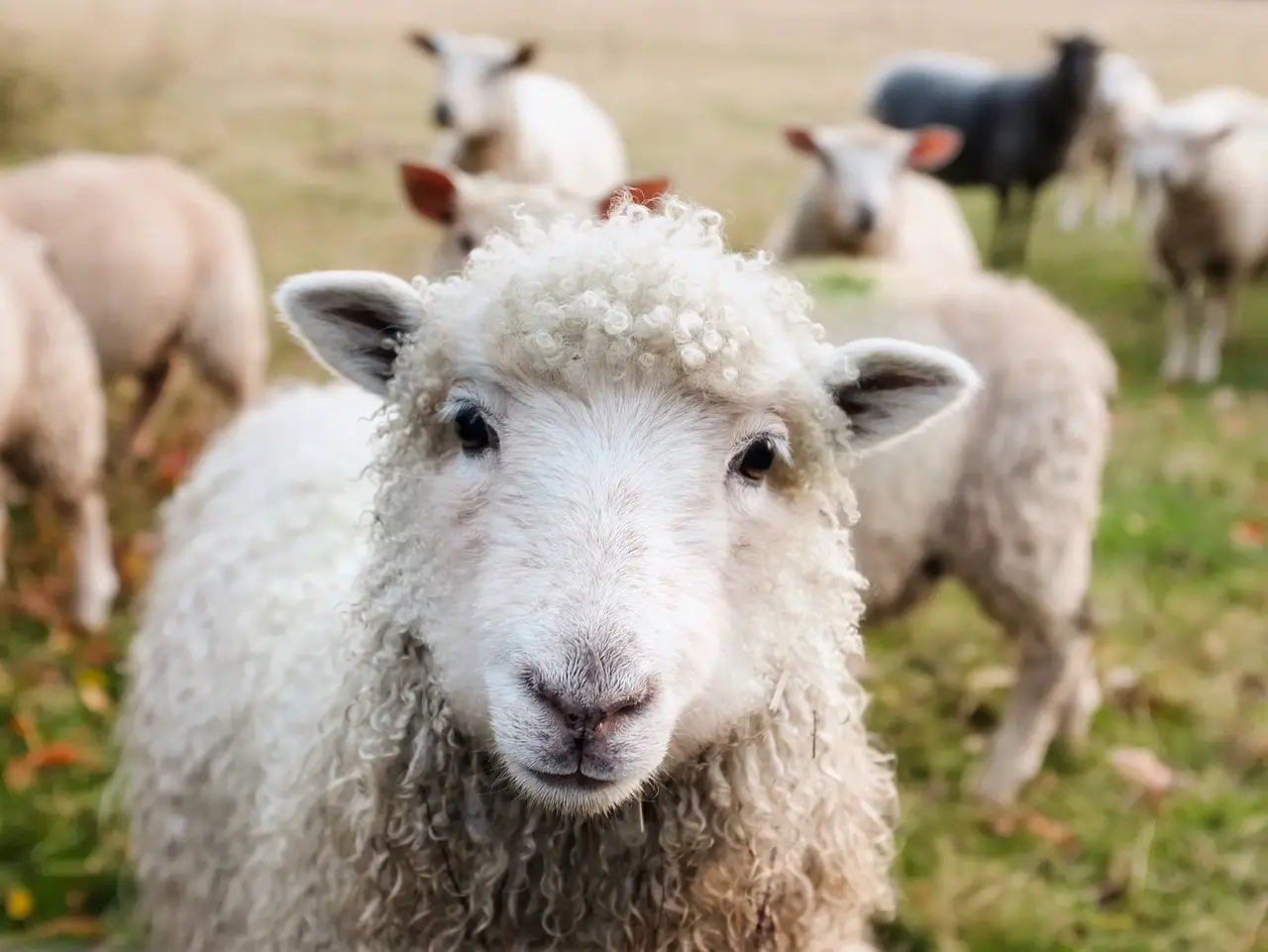
Photo: 12019 / pixabay
Michigan Gov. Gretchen Whitmer designated Nov. 3 as One Health Day, formally recognizing the people and organizations working at the intersection of animal, human and environmental health. The Lansing proclamation brings four Michigan agencies into the same effort: the Department of Agriculture and Rural Development, Health and Human Services, Natural Resources, and Environment, Great Lakes and Energy.
What does the designation change for practitioners?
For veterinary teams, livestock operations and the public, the immediate operational change is none. The announcement specifies no new diagnostic test, treatment, vaccination, biosecurity measure, reporting rule or response threshold. It cites no disease cases, sample size, study design or comparative findings, so it should not be read as evidence of a new outbreak or as a clinical directive.
Exam-table effect: No exam-room, barn or regulatory protocol changes solely because of the proclamation.
How does One Health coordination work?
The framework described in the proclamation has long been used to address threats that cross professional and biological boundaries. The announcement names highly pathogenic avian influenza, rabies, ticks, mosquito-borne diseases such as eastern equine encephalitis and West Nile virus, bovine tuberculosis, and harmful algal blooms, among other problems.
These examples span animal health, food-animal health, public health and environmental health. The release does not describe an active outbreak, identify an affected herd or household, or provide a case count.
The stated goal is better health: collaboration across disciplines, perspectives and objectives should produce a fuller response to complex threats and a healthier, more resilient Michigan.
MDARD Director Tim Boring said: “Everyone has a role in supporting animal, public, and environmental health.” He said complex threats require cooperation among federal, state, local, academic, industry and community partners so the response can be rapid and effective; protecting Michigan, he said, is a shared responsibility.
Chief Medical Executive Dr. Natasha Bagdasarian said: “One Health recognizes a simple truth: the health of people, animals and our environment is inseparable.” She said collaboration among public health, veterinary medicine, agriculture, wildlife and environmental sciences can identify emerging threats earlier. Animals can serve as an early warning, with changes in their health revealing human risks before people become ill.
Coordination takeaway: Shared information and early recognition, rather than a new protocol, are the mechanisms the state emphasizes.
What does it mean for companion animals, food animals and the public?
-
Companion animals: The release names no companion-animal species and provides no owner counseling, diagnostic recommendation or clinical rule. Its relevance to clinics lies in veterinary medicine’s role in the wider early-warning network, not in a new mandate for examinations, testing or reporting.
Food animals: The animal-health examples are highly pathogenic avian influenza in birds and bovine tuberculosis in cattle. Agriculture sits at the center of the collaboration because animal-health evidence can affect farms and surrounding communities. No new livestock test, farm rule, vaccination protocol or herd response is announced, so barn work does not change under this designation alone.
Public health: Rabies, ticks, eastern equine encephalitis and West Nile virus anchor the human side of the work, with animals potentially revealing risk before illness appears. No county-level risk level, exposure notice, prevention directive or public reporting change accompanies the proclamation, so clinicians and public-health teams should not infer heightened local risk from the observance itself.
Wildlife and the environment: EGLE Director Phil Roos said every person has a role in protecting the environment and community health. He described local, state and federal collaboration, public input and decisions grounded in sound science as the operating principles. He said shared purpose can produce a cleaner, healthier Michigan now and for future generations.
Wildlife surveillance: MDNR Wildlife Health Supervisor Mitch Marcus called conservation a team sport and tied strategic wildlife-disease monitoring to partnerships with state, county and local agencies and Michigan’s outdoorsmen and women. That work aims to protect wild-animal populations and people who spend time outdoors.
Practice takeaway: The proclamation offers a framework across species and settings, but no immediate companion-animal, livestock or public-health directive.
Where can practitioners find more information?
The state directs readers to the Centers for Disease Control and Prevention’s website for general One Health Day information and to michigan.gov/emergingdiseases for One Health issues in Michigan. It also links Governor Whitmer’s One Health Day proclamation.
The designation faces a practical test: whether shared surveillance can turn the first animal or environmental warning into faster, coordinated action that protects Michigan families. That result, not the observance itself, will determine what One Health adds to the exam table, the barn and public-health response.
Source: Google News: Livestock health
Elena Vasquez
Show full bio
Market editor covering money, funding and market shifts around Small- and large-animal clinical practice at The Vet Scope.
Related articles
University of Kentucky Names New Director of Veterinary Diagnostic Laboratory
AVMA Panel Calls for Overhaul of Animal Health for 21st Century
Reauthorized Tick Act Pushes U.S. Cattle Biosecurity Through 2030
No Planet Without One Health: The Argument Linking Animal, Human and Environmental Health
Down To Earth: Zoonoses Strategy Must Extend Past Biology