Three-State Beef Conference Sets Jan. 12–14 Schedule
The 42nd Three-State Beef Conference runs Jan. 12–14 in Missouri, Iowa and Nebraska, with mineral, calving and market sessions, $30 registration and free Iowa BQA training.
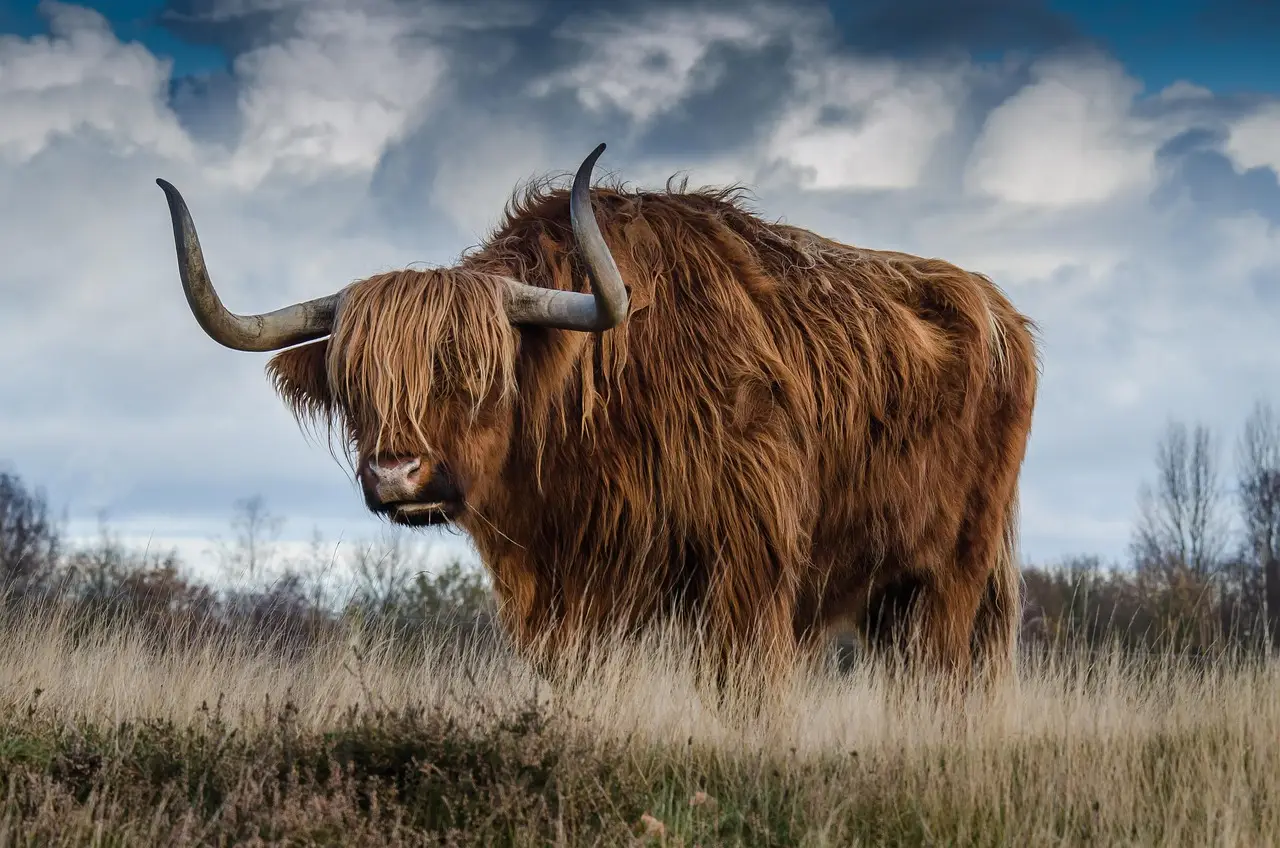
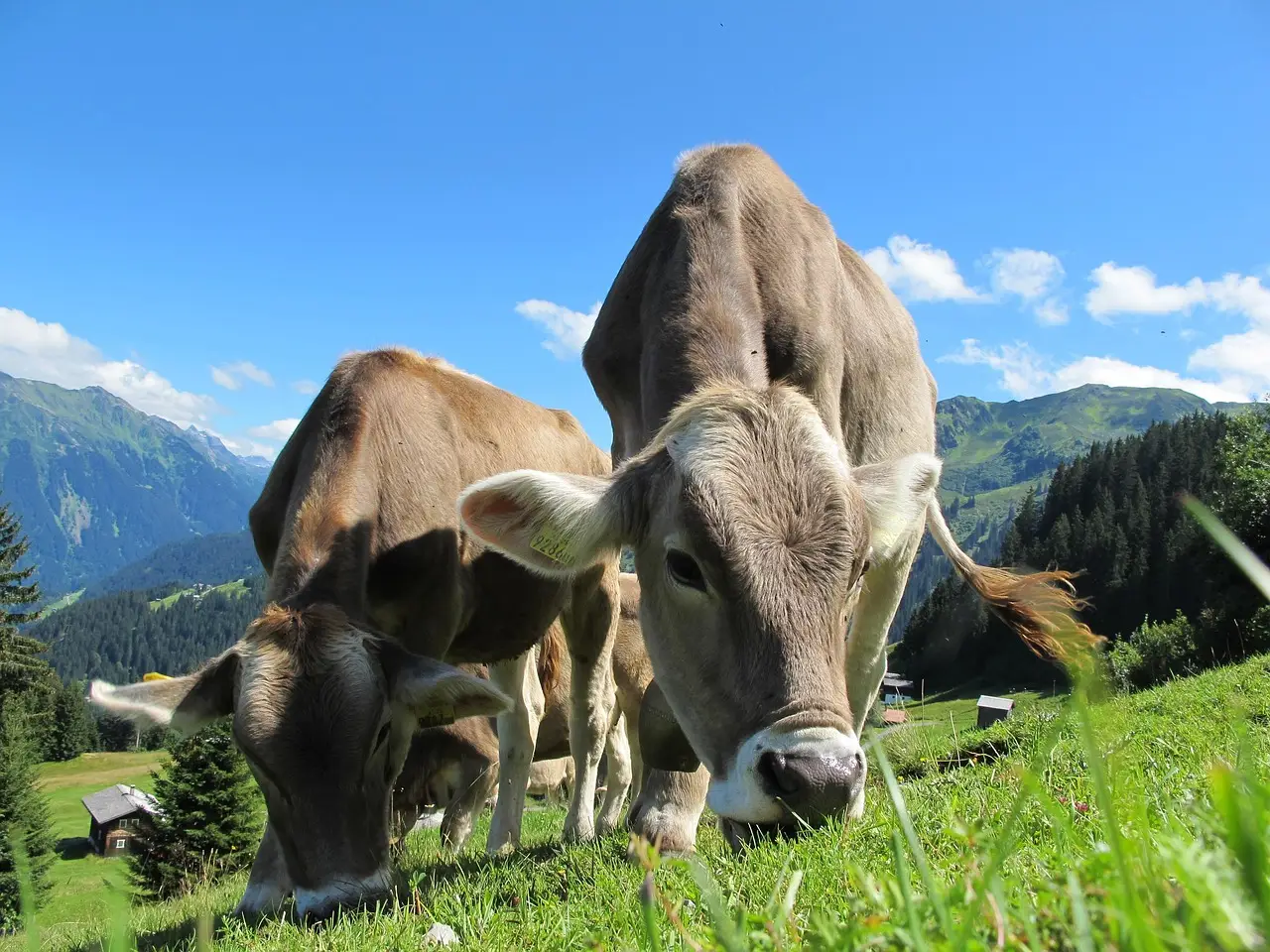
Photo: Pixel-Sepp / pixabay
By Elena Vasquez
Registration for the 42nd Three-State Beef Conference closes Jan. 5, 2027, with sessions set for Jan. 12–14 in Missouri, Iowa, and Nebraska, respectively, for cow-calf and stocker producers.
Iowa State University Extension and Outreach beef field specialists Erika Lundy-Woolfolk and Chris Clark organize the annual event in Iowa. The conference gives beef cattle producers and others in the industry a regular update on current cow-calf and stocker topics.
Lundy-Woolfolk and Clark build each year’s program around prior attendee feedback and current industry economic conditions. The result emphasizes management choices producers can apply on their farms rather than technical material disconnected from daily operations.
What will the 2027 program cover?
Lundy-Woolfolk said:
“Successful cattle production requires making informed decisions at every stage. This year’s topics aim to provide producers with practical, research-based information they can put to work on their farms.”
“From evaluating mineral programs and making sound calving management decisions to navigating changing cattle market conditions, our goal is to equip cattlemen and women with the knowledge and tools to make confident decisions that improve herd productivity and profitability.”
The three presentations address herd inputs, calving management, and market conditions:
- “What’s in your mineral: Using the University of Nebraska-Lincoln Mineral Calculator to evaluate your program” — Mary Drewnoski, professor and beef systems specialist at the University of Nebraska-Lincoln.
- “Practical decision-making during calving season: Understanding when and how to assist during calving” — Dr. Rebecca Funk, veterinarian at the UNL Great Plains Veterinary Educational Center.
- “Riding the cattle market roller coaster: What to expect next” — Wesley Tucker, livestock economist at University of Missouri Extension.
At the barn, producers can use the agenda to review mineral programs, determine when calving assistance is appropriate, and assess changing market conditions. The program pairs herd-level decisions with current economic pressures.
Where will the three sessions occur?\n
The conference visits one evening location in each state, all following the same schedule:
- Missouri, Jan. 12: Agricultural Learning Center, 22893 U.S. Highway 71, Maryville.
- Iowa, Jan. 13: Warren Cultural Center, 154 Public Square, Greenfield.
- Nebraska, Jan. 14: Nebraska Cattlemen office, 4611 Cattle Drive, Lincoln.
Check-in begins at 5:30 p.m., and the program starts at 6 p.m. at every site. Adair County Cattlemen sponsor the Iowa meeting location.
Each state offers one evening program, and every location uses the same check-in and start times.
What does registration cost?
The registration fee is $30 per person and includes a meal. Preregistration is required by Jan. 5, 2027.
State-specific contacts handle registration and the Iowa BQA training:
- Iowa: Call the ISU Extension and Outreach Adair County office at 641-743-8412 or email Terri Raasch at [email protected] for the conference or BQA training.
- Missouri: Contact University of Missouri Extension livestock field specialist Amie Schleicher at 660-744-6231 or email [email protected].
- Nebraska: Contact Barry Weber at 402-335-3669 or email [email protected].
State-specific contacts provide the registration path for each conference site and the additional Iowa training.
What does the Iowa BQA training add?
Clark and Lundy-Woolfolk will offer Beef Quality Assurance training before the Jan. 13 Iowa meeting, from 3:30 to 5:30 p.m. in the Green Room at the Warren Cultural Center.
Funding from the Iowa Beef Industry Council and the Beef Checkoff makes the training free. Producers can attend the training, the conference, or both.
The announcement gives no guidance on veterinary drugs, vaccines, prescribing, or regulatory compliance. Its additional training concerns Beef Quality Assurance rather than a product authorization or prescribing decision.
Iowa participants can add two free training hours before the evening conference.
What does the conference’s 42nd year mean?
The 2027 meeting marks the Three-State Beef Conference’s 42nd year. Lundy-Woolfolk described the value reported by past participants:
“Participant feedback has listed appreciation of the practicality of meeting topics and the sharing of information related to current and ongoing challenges in the industry,” Lundy-Woolfolk said. “Last year’s program was really popular, and participants estimated the value of knowledge gained at $20 per cow.”
That $20 figure represents an attendee estimate of perceived value, not an audited production gain or controlled economic comparison. The conference does not report measured herd-performance or return-on-investment data in its announcement.
The $20 value estimate comes from participant feedback rather than audited economic performance.
Which veterinary audiences does this meeting serve?
- Food-animal practice: The meeting directly serves cow-calf and stocker operations. Veterinarian Rebecca Funk’s session addresses recognizing when and how to assist during calving, while the other presentations cover mineral programs and market decisions.
- Companion-animal practice: The agenda contains no canine or feline topics and no companion-animal drug, vaccine, or prescribing guidance.
- Public health: The announcement lists BQA training without detailing a public-health lecture, pathogen-control protocol, or regulatory status from FDA CVM, EMA, or USDA.
This is a food-animal management meeting, not a companion-animal or public-health briefing. The next hard deadline is Jan. 5, followed by three evening programs on Jan. 12–14.
Source: morningagclips.com
Elena Vasquez
Show full bio
Market editor covering money, funding and market shifts around Small- and large-animal clinical practice at The Vet Scope.
Related articles
Nebraska Beef Summit Set for Dec. 9 in Kearney
Tight cattle supply should keep prices strong through 2027, economist tells Wyoming producers
Temple Grandin to Speak Dec. 11 at MU Extension's Pearls of Production
MU Extension Workshop in Lamar Targets Cattle Grading and Marketing
Bovine Veterinarian Tackles AI Implementation in Practice