89 Bulls Average 3 Pounds Daily Gain Ahead of UT's December 10 Sale
Eighty-nine bulls finished an 84-day University of Tennessee evaluation averaging 1,221 lb and about 3.0 lb daily gain before the December 10 sale in Lewisburg.
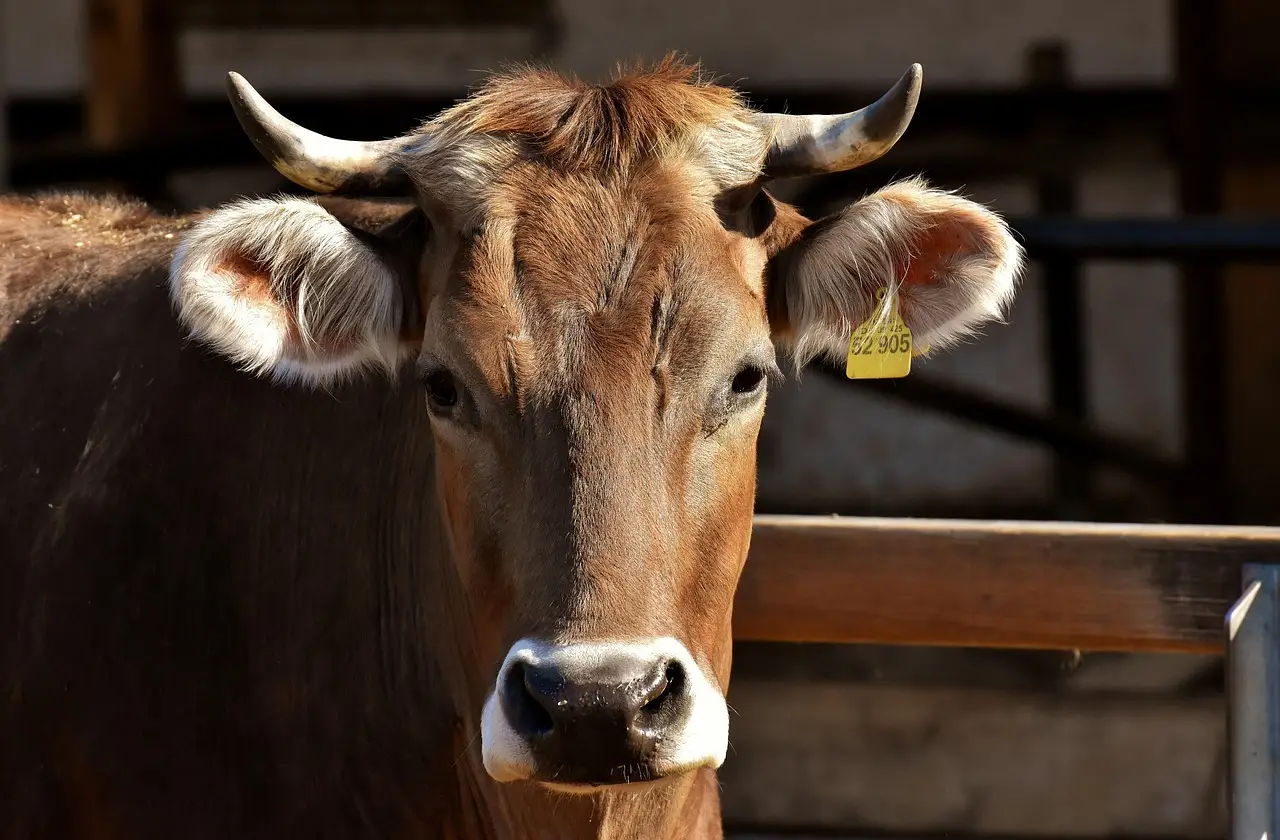
Photo: artellliii72 / pixabay
Eighty-nine bulls closed an 84-day University of Tennessee evaluation averaging 1,221 pounds and roughly 3.0 pounds of gain per day. They sell at noon CST on Thursday, December 10, at the Middle Tennessee AgResearch and Education Center at Lewisburg, 1070 New Lake Road, with online bidding through LiveAuctions.tv.
The sale caps the UT Bull Development and Evaluation Program, which supplies beef producers with independently collected performance and genetic data before they commit to a herd sire. The 2026 class drew consignors from across Tennessee and the region, representing Angus, Red Angus, SimAngus, Hereford and Simmental genetics. The test measures post-weaning growth under one common management environment while documenting structural and phenotypic traits that matter in commercial beef production.
Why the numbers matter at the sale ring
The 2026 group posted a weight-per-day-of-age average of 3.16 pounds. Breed-group results, drawn directly from the test records:
- Angus — 51 bulls; 1,250 lb final weight; 2.99 lb ADG; 3.16 lb WDA
- Red Angus — 1 bull; 1,010 lb; 1.76 lb ADG; 2.64 lb WDA
- Hereford — 6 bulls; 1,066 lb; 2.78 lb ADG; 2.93 lb WDA
- All Sim-influenced — 31 bulls; 1,209 lb; 3.05 lb ADG; 3.23 lb WDA
- SimAngus — 23 bulls; 1,227 lb; 3.08 lb ADG; 3.23 lb WDA
- Simmental — 8 bulls; 1,159 lb; 2.98 lb ADG; 3.22 lb WDA
- Overall — 89 bulls; 1,221 lb; 2.98 lb ADG; 3.16 lb WDA
SimAngus bulls led the 84-day average daily gain at 3.08 pounds. Angus bulls, the largest group in the test, finished heaviest at 1,250 pounds on average. The spread across groups is the point: producers shopping for different maternal, growth and carcass goals can compare cattle on common-environment data rather than on farm-of-origin claims.
What buyers receive before bidding
Test director Saulo Zoca, assistant professor of animal science and Extension beef cattle specialist, framed the program's value in one sentence: "A bull purchase is a long-term investment in a cow herd, and this program gives buyers an opportunity to evaluate performance records, genomically enhanced expected progeny differences (EPDs), structure and disposition in one setting."
The sale catalog will carry individual performance records, frame scores, foot and claw scores, ultrasound information where available, and breed-specific genomic EPDs. Eligibility standards apply to every lot. Bulls must meet performance requirements and pass a breeding soundness examination before sale day.
That screening discipline works both ways, according to the program. Buyers get a uniform, transparent source of bulls. Consignors get meaningful feedback they can fold into selection and breeding decisions.
Not just a high-gain contest
Zoca pushed back on reading the test as a gain leaderboard. "The goal is not simply to identify high-gaining bulls, but to help producers find cattle that fit their operation, marketing plan and breeding objectives," he said.
His advice to attendees is direct: study the catalog, compare the data against herd needs, and show up December 10. "Whether a producer is seeking calving ease, growth, maternal value, carcass merit or balanced genetics, the sale offers an opportunity to invest in performance-tested bulls backed by University of Tennessee evaluation," Zoca said.
For practitioners advising seedstock and commercial clients, the event doubles as a reference point for what university-verified, common-environment evaluation looks like in practice. The takeaway for producers: the data exist before the hammer falls, not after.
A printed catalog and program details are posted at tiny.utk.edu/bulltest. Questions go to test directors Saulo Zoca ([email protected], 931-486-2129) or Troy Rowan ([email protected], 865-974-3190). The program sits within the UT Institute of Agriculture, which spans the Herbert College of Agriculture, the UT College of Veterinary Medicine, UT AgResearch and UT Extension.
If December 10 draws the region's buyers as intended, the 2027 test cycle will begin with a fresh consignment pool shaped by this year's records.
Source: morningagclips.com
Elena Vasquez
Show full bio
Market editor covering money, funding and market shifts around Small- and large-animal clinical practice at The Vet Scope.
Related articles
Joplin sale barn reports $50-per-cwt premium for weaned calves
OSU Extension Formula Puts a Number on Winter Hay Needs for Cow Herds
MU Extension Workshop in Lamar Targets Cattle Grading and Marketing
BRD Hits 12.2% of Feedlot Cattle: Five Benchmarks from USDA NAHMS Feedlot 2021
Nebraska Beef Summit Set for Dec. 9 in Kearney