BRD Hits 12.2% of Feedlot Cattle: Five Benchmarks from USDA NAHMS Feedlot 2021
USDA APHIS Feedlot 2021: 12.2% of placed cattle had BRD, sub-400-lb calves tripled yearling morbidity, and only 5.6% of small yards hold written biosecurity plans.
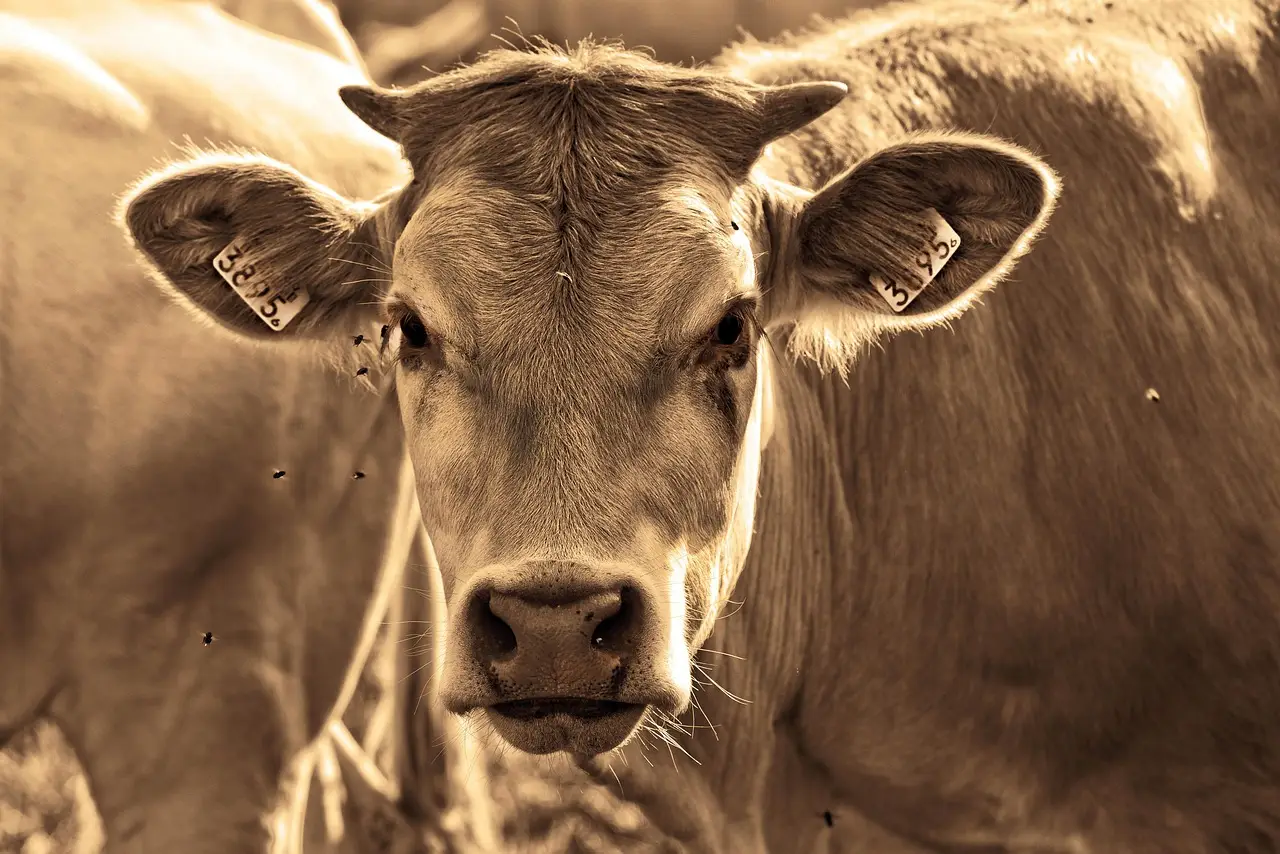
Photo: Christina9999 / pixabay
Some 77.5% of U.S. feedlots treated at least one case of bovine respiratory disease in 2020, and 12.2% of all cattle placed broke with BRD — numbers that anchor USDA APHIS's new report, Health and Management Practices on U.S. Feedlots, 2021.
The report is the second descriptive release from Feedlot 2021, the fifth national feedlot study run by APHIS's National Animal Health Monitoring System (NAHMS) with the National Agricultural Statistics Service. It covers 22 states: small feedlots (50–999 head) from 18 states and large feedlots (1,000+ head) from 17. All data reflect the 2020 calendar year on operations with 50 or more head. Here is what the numbers mean at the chute, in the bunk and across the supply chain.
How much does arrival weight drive BRD?
BRD remains the sector's costliest health problem. As the report states: "Respiratory disease (BRD, shipping fever) is the most common cause of morbidity and mortality on cattle feedlots."
Prevalence tracked arrival weight closely:
- Under 400 lb: 25.9% affected nationwide; 31.0% in large yards.
- 400–699 lb: 14.8% nationwide (17.8% large, 6.8% small).
- 700 lb or more: 9.6% nationwide; 10.4% in large yards.
In large commercial yards, BRD morbidity tripled comparing sub-400-lb calves (31.0%) to 700-lb-plus yearlings (10.4%). Small yards saw flatter rates: 6.7% under 400 lb versus 3.3% at 700 lb or more. Nearly every large operation — 98.8% — saw at least one case in 2020, versus 74.7% of small yards.
When do feedyards work cattle through the chute?
Industry-wide, 75.9% of feedlots process cattle as a group within four weeks of arrival, and 67.9% process 100% of their cattle. Timing splits sharply by size. The report notes: "Recent evidence has shown that postponing processing can be of benefit. Cattle may be able to respond to the effects of vaccination better after recovering from the stress of transport."
- 52.4% of small yards processed at least some cattle on arrival day; only 24.7% of large yards did.
- 69.0% of large yards processed some cattle one to three days post-arrival; 59.5% processed some cattle four to 13 days after arrival, reflecting staged protocols by pen risk.
At the chute, 87.6% of processing feedlots vaccinated against respiratory disease, 80.8% against bovine viral diarrhea and 70.1% against clostridial diseases. 83.7% of processing yards administered a parasiticide to all cattle — 98.7% of Western feedlots used one on at least some cattle versus 85.8% of Eastern yards. On 58.4% of yards, zero incoming bull calves needed castration because all males arrived castrated. Injectable antibiotics at initial processing (metaphylaxis) went to at least some cattle on 72.7% of large feedlots versus 37.2% of small yards.
Why does preconditioning information disappear at the sale barn?
Buyers want the data. Among feedlots placing outside-source cattle, 98.2% of large yards and 83.2% of small yards rated reliable preconditioning and backgrounding information at least slightly important; 65.7% of large yards called it very or extremely important. The report explains preconditioned calves "are generally considered to be at lower risk of disease upon arrival at a feedlot and may be less likely to need antibiotics at arrival."
Access is the bottleneck. Only 29.3% of large feedlots could obtain all the preconditioning information they wanted, versus 64.3% of small yards. Of operations that could not get health histories, 87.1% blamed sale-barn purchases where prior management records were absent. Cow-calf producers who invest in preconditioning lose that premium when auction channels strip the paperwork.
What guides antibiotic decisions?
In 2020, 90.2% of feedlots used antibiotics in at least one animal. Among the 83.7% of operations using injectable or bolus antibiotics:
- 83.7% ranked personal experience very or extremely important.
- 82.4% ranked veterinarian recommendations the same.
- 62.4% cited duration of action; 77.9% of large yards ranked approved route of administration highly versus 41.2% of small yards.
Advertising rated unimportant or slightly important for 91.9% of yards; peer recommendations for 61.9%; over-the-counter availability for 68.6%.
First-line BRD treatments, by share of feedlots using them: tulathromycin 46.6%, florfenicol 44.4%, oxytetracycline 36.4%, enrofloxacin 35%, ceftiofur 24.4%.
In feed, non-medically important ionophores (monensin, lasalocid, laidlomycin) were fed by 56.6% of feedlots, reaching 77.6% of all fed cattle — 91.6% of users cited feed efficiency, 55.6% coccidiosis control. Medically important in-feed antibiotics, which require a veterinary feed directive, were fed by 52.2% of feedlots: chlortetracycline by 33% of operations, mostly for respiratory control, and tylosin to 49.2% of all cattle placed (57.9% in large yards) for liver abscess reduction.
How bad is the foreign animal disease blind spot?
The report's sharpest warning targets foot-and-mouth disease preparedness. It states that if FMD is found in U.S. livestock, "regulatory officials will limit the movement of cattle," and the Secure Beef Supply (SBS) Plan for Continuity of Business lets uninfected feedlots keep moving cattle under movement control permits.
Documented readiness is thin:
- Only 30.3% of large feedlots and 5.6% of small feedlots held a written or electronic biosecurity plan.
- 66.9% of feedlots were unfamiliar with the SBS Plan; just 12.5% of large yards and 1.6% of small yards were "very familiar."
Physical isolation helps — 91.8% of commercial yards share no fence line allowing nose-to-nose contact, and the nearest ruminant operation averages 1.7 miles away — but human vectors persist. Among yards with cattle-care staff, 31.5% employ people who contact ruminants at other operations and 26.2% have employees who own ruminants off-site. USDA's National Animal Disease Preparedness and Response Program funded SBS advancement in 2023, after data collection closed.
What did NAHMS ask about for the first time?
Cardiovascular disease is now an operational reality. In 2020, 52.8% of large feedlots and 10.3% of small yards — 15.2% overall — saw at least one case of heart failure or brisket disease. The report links the trend to cattle "raised to steadily increasing weights." Lameness also consumed labor: 35.2% of yards reported foot rot (67.9% of large yards) and 8.3% reported hairy heel wart, papillomatous digital dermatitis.
With record feeder cattle prices leaving no margin for health errors, the benchmarks point to two fixes consultants can drive now: close the sale-barn information gap and put SBS-aligned biosecurity plans in writing before movement restrictions, not after.
Source: Google News: Livestock health
Grace Kim
Show full bio
Staff writer covering regulation, policy and their impact on Small- and large-animal clinical practice at The Vet Scope.
Related articles
FDA CVM Clears BRD Treatment for Cattle Alongside Several New Dog Drugs
EHD Confirmed in Wisconsin Cattle, Morning Ag Clips Reports
Large Animal Vet Shortage Adds New Burden for Cattle Producers
Foot-and-Mouth Disease Reaches Five Farms as Officials Warn Against Easing Controls
Parity linked to mastitis, lameness and reproduction in dairy study