OSU Extension Formula Puts a Number on Winter Hay Needs for Cow Herds
An OSU Extension specialist's Oct. 5 formula sizes winter hay needs: a 1,400-lb cow eats 36.4 lb DM daily; 100 cows need about two tons per day with waste added.
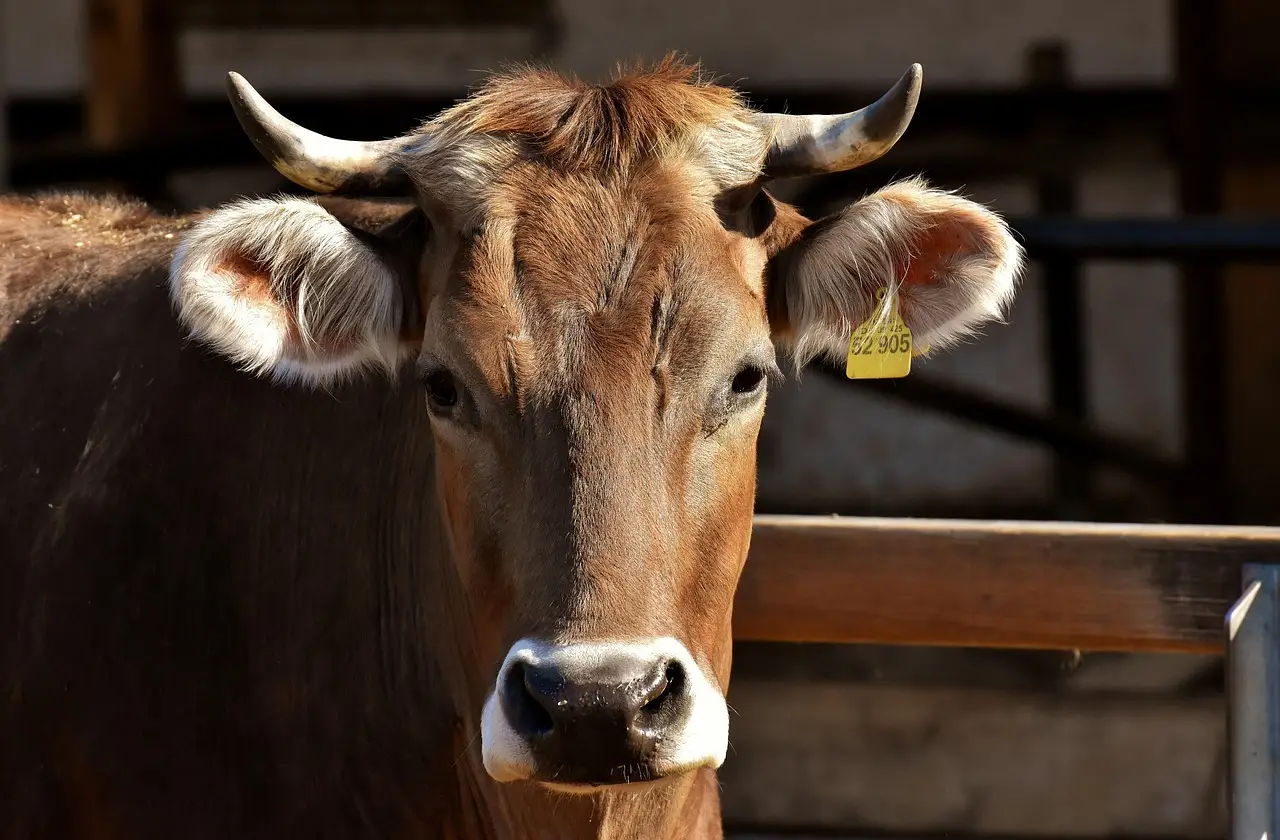
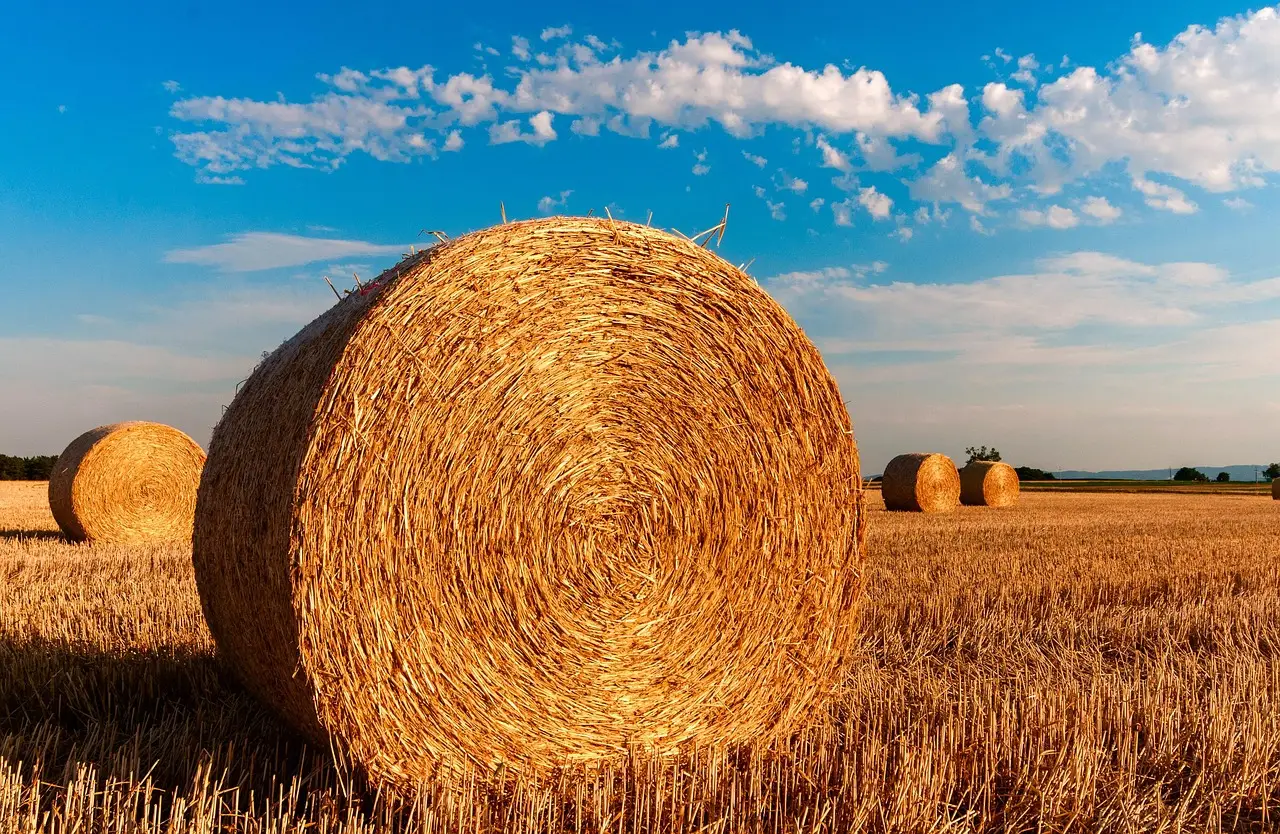
Photo: bogitw / pixabay
A 1,400-pound cow eats about 36.4 pounds of forage dry matter per day, and a 100-head herd of that size needs roughly two tons of hay daily once waste is factored in. Those are the anchor numbers Oklahoma State University Extension Beef Cattle Breeding Specialist Mark Johnson laid out in an Oct. 5 Beef Magazine article, written for producers who are weaning calves, storing hay equipment and planning winter feed for the cow herd.
Johnson's method rests on three inputs: average mature cow size, cow inventory and the number of days a producer expects to feed hay. None of the three requires special equipment. The first comes from a scale and a calculator.
How does a producer establish cow weight?
"This can be done by weighing one's four- to seven-year-old cows and calculating the average weight," Johnson shares. "From mature cow size, we can approximate the amount of forage dry matter (DM) cows will need to consume per year or per day."
The conversion is straightforward. A 1,000-pound cow consumes about 26 pounds of forage DM per day; a 1,400-pound cow consumes about 36.4 pounds. Scaling that across the herd is simple multiplication. Johnson's worked example: 100 cows weighing 1,400 pounds each will consume about 3,640 pounds of hay per day.
Why add 10 percent?
The daily total is not the final number. Some hay gets wasted. Some spoils. Johnson tells producers to build that loss into the estimate rather than discover it in January.
"We should take into account a certain amount of hay fed will be wasted, and there will be a certain amount of spoilage of each bale fed which won't be consumed," Johnson shares. "With this in mind, add another 10 percent to the daily total to bump it up to about 4,000 pounds – or two tons – per day."
The 10 percent figure is a floor, not a ceiling. "Remember, the amount of hay wasted or spoiled could be higher," Johnson adds. "If feeding hay from last year, expect a higher percentage spoiled in each bale."
How do days and bale size finish the calculation?
Once daily consumption is set, producers multiply it by the expected feeding window. A producer planning to feed hay for approximately 200 days, for example, multiplies total pounds of hay needed per day by 200 to get a rough estimate of the forage DM the cows will consume over the winter. Dividing that total by average bale size yields the number of bales to purchase or set aside from the summer hay crop.
What should producers weigh when buying hay?
Johnson recommends purchasing hay by the ton whenever possible, because it "leads to less error in securing the amount of hay one will need to purchase or have on inventory." Bale weight varies, and buying by the bale hides that variation.
"If buying hay by the bale is one's only option, make sure to weigh enough of the bales to have an accurate representation of bale weight," Johnson adds.
Bale origin matters too. One silver lining of this past summer's drought: hay baled during drought conditions tends to show less spoilage per bale, he notes.
Daily nutrition is not a fixed target. "Other factors such as weather, stage of gestation or lactating versus dry cows will obviously impact nutritional requirements of cows from day to day," Johnson concludes. "Provide hay and other nutritional supplementation accordingly."
Producers who run the math now — cow weight, herd count, feeding days, bale weight — will enter winter with a defensible inventory number instead of an estimate made in the dark.
Source: wylr.net
Grace Kim
Show full bio
Staff writer covering regulation, policy and their impact on Small- and large-animal clinical practice at The Vet Scope.
Related articles
First-Calving Body Weight Tracks Through to Milk Yield and Culling
Joplin sale barn reports $50-per-cwt premium for weaned calves
Dairy Farmers Turn to Nutrition Tools for Efficiency and Health Gains
Michigan Milk Component Growth Driven by Fat Concentration, Not Cow Numbers Alone
OSU Extension flags late winter as high-risk window for livestock