Cull Cow Prices Fall Up to 28% as Beef Imports Surge 49.7%
September beef imports hit 567.2 million pounds, up 49.7% year over year, while cull cow prices in three Southern states fell 24-28% from July to October — double the seasonal norm.
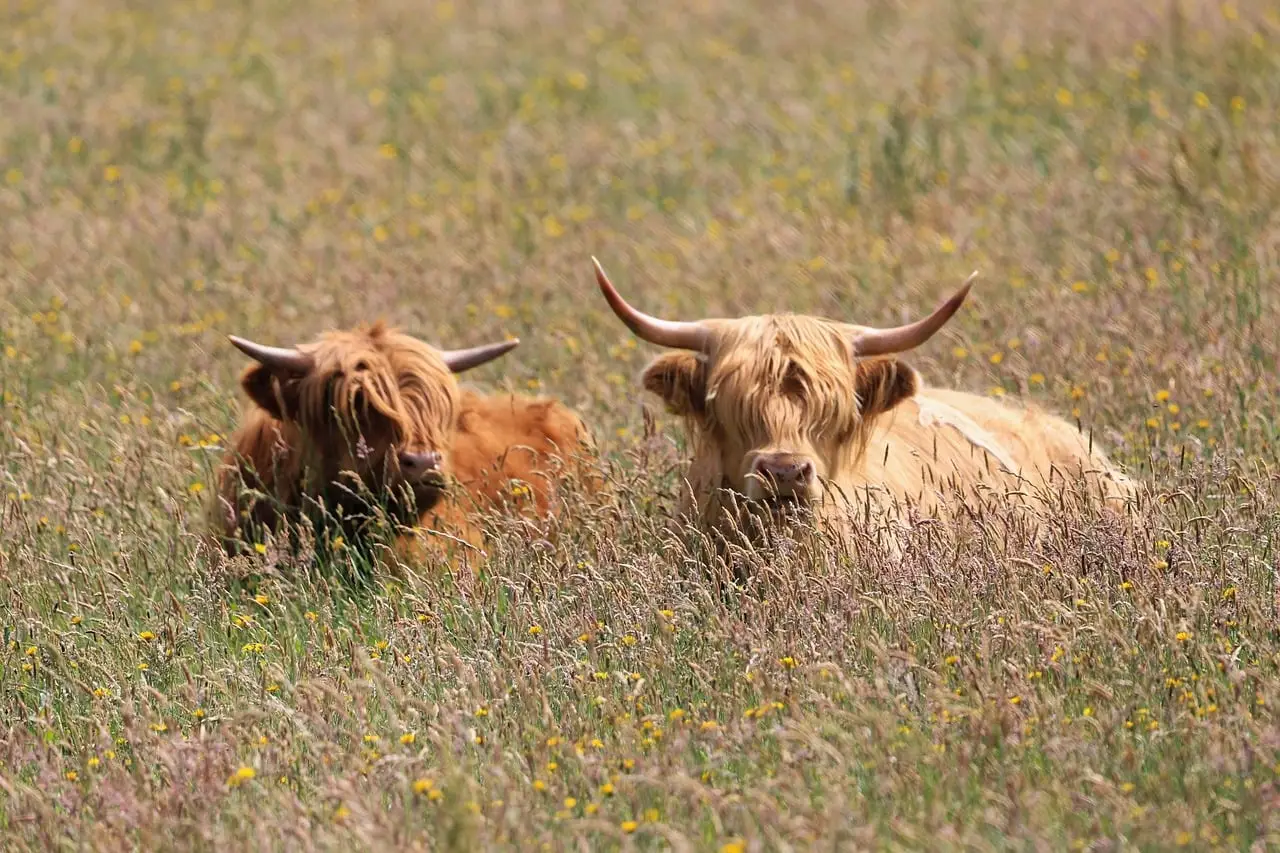
Photo: Dylanleagh / pixabay
September 2026 U.S. beef and veal imports totaled 567.2 million pounds — 9.1% above August and 49.7% higher than September 2025 — and the influx is now showing up where it hurts producers most: the cull cow market, where prices across three Southern states fell 24% to 28% from July to October.
USDA's Economic Research Service published the trade data through September 2026, the first month that captures the Trump Administration's expanded tariff-rate quota for imported lean beef trimmings. The figures show a widening trade gap. Year-to-date beef imports stand at 4.926 billion pounds, up 17.5% from the same period last year. Exports run the other direction: September shipments of 179.9 million pounds were 9.0% below August and only 0.3% above September 2025, leaving year-to-date exports at 1.754 billion pounds, 11.5% below last year's pace.
The analysis comes from James Mitchell, Ph.D., Assistant Professor and Extension Economist in the Department of Agricultural Economics and Agribusiness at the University of Arkansas, writing for the Livestock Marketing Information Center.
Why imports hit cull cows hardest
Imported beef does not compete evenly across the market. It competes most directly with domestic processing beef, and packers blend it with 50% lean trimmings to make ground beef. That distinction matters for two reasons.
First, it explains why cull cow values — the source of much of that lean trimming supply — move with import volumes. Second, it deflates any assumption that cheaper imports translate into cheaper burgers. Imported product undergoes further processing and added cost before it reaches consumers, so more beef imports does not immediately mean lower ground beef prices at retail.
What the trimming prices show
USDA's Agricultural Marketing Service reports weekly wholesale prices for the two trimming categories. For the week ending November 6:
- Fresh 90% lean beef trimmings averaged $369.98 per hundredweight, down 20.1% from their July 10 peak of $463.22/cwt.
- Fresh 50% lean beef averaged $86.62/cwt, down 54.9% from their May 1 peak of $192.11/cwt.
The 50% lean side has fallen more than twice as hard as the 90% side. That asymmetry tracks the mechanics: imports of lean foreign trimmings displace demand for the fatty domestic product used in the blend.
How far outside the seasonal norm?
Cull cow prices normally climb through spring and summer, then ease in the fall. The 2026 decline blew past that pattern.
Mitchell tracks monthly averages for three USDA-AMS marketing classes in Arkansas, Mississippi and Kentucky — breakers, boners and lean cows, which correspond to body condition scores of 7 to 9, 5 to 7 and 3 to 5 respectively.
October tells the story. Boner cows averaged $127.23/cwt in Arkansas, $133.39/cwt in Mississippi and $132.22/cwt in Kentucky, against July averages near $175 to $176/cwt. Breaker and lean cow prices fell in parallel in all three states.
The scale of the drop is what stands out. From July to October, prices across the three grades and three states fell 24% to 28%, compared with average July-to-October declines of 12% to 14% during 2020-2024. This fall's slide ran roughly double the recent historical norm.
Two forces, one price collapse
Mitchell attributes the decline to larger beef imports, but imports are not the whole story. Drought conditions across the region throughout 2026 have also pushed cattle to market, adding local supply pressure on top of the trade effect.
For veterinarians advising cow-calf and stocker clients in the affected states, the price signal carries practical weight. Cull decisions made this fall land in a market paying roughly $45 to $48/cwt less for boner-class cows than it did in July, and drought-forced liquidation removes the option of waiting out the seasonal trough.
The expanded tariff-rate quota is now roughly one month old in the data. Whether cull cow prices stabilize as the quota's effects settle, or continue to slide alongside year-to-date import growth of 17.5%, will show up in the next rounds of USDA-AMS weekly trimming prices and the monthly state cull cow averages.
Source: morningagclips.com
Grace Kim
Show full bio
Staff writer covering regulation, policy and their impact on Small- and large-animal clinical practice at The Vet Scope.
Related articles
Tariff Waiver Cut Cull Cow Prices Up to 9.3%, Data Show
Tyson Posts $14.59B Quarter as Beef Losses Deepen on Cattle Shortage
Nebraska Beef Summit Set for Dec. 9 in Kearney
EU suspends Namibian meat imports amid cattle disease outbreak
BRD Hits 12.2% of Feedlot Cattle: Five Benchmarks from USDA NAHMS Feedlot 2021