Tyson Posts $14.59B Quarter as Beef Losses Deepen on Cattle Shortage
Tyson Foods reported Q4 FY2026 net sales of $14.59 billion, up 5.2%, but beef operating losses doubled to $514 million as cattle inventories hit a 75-year low.
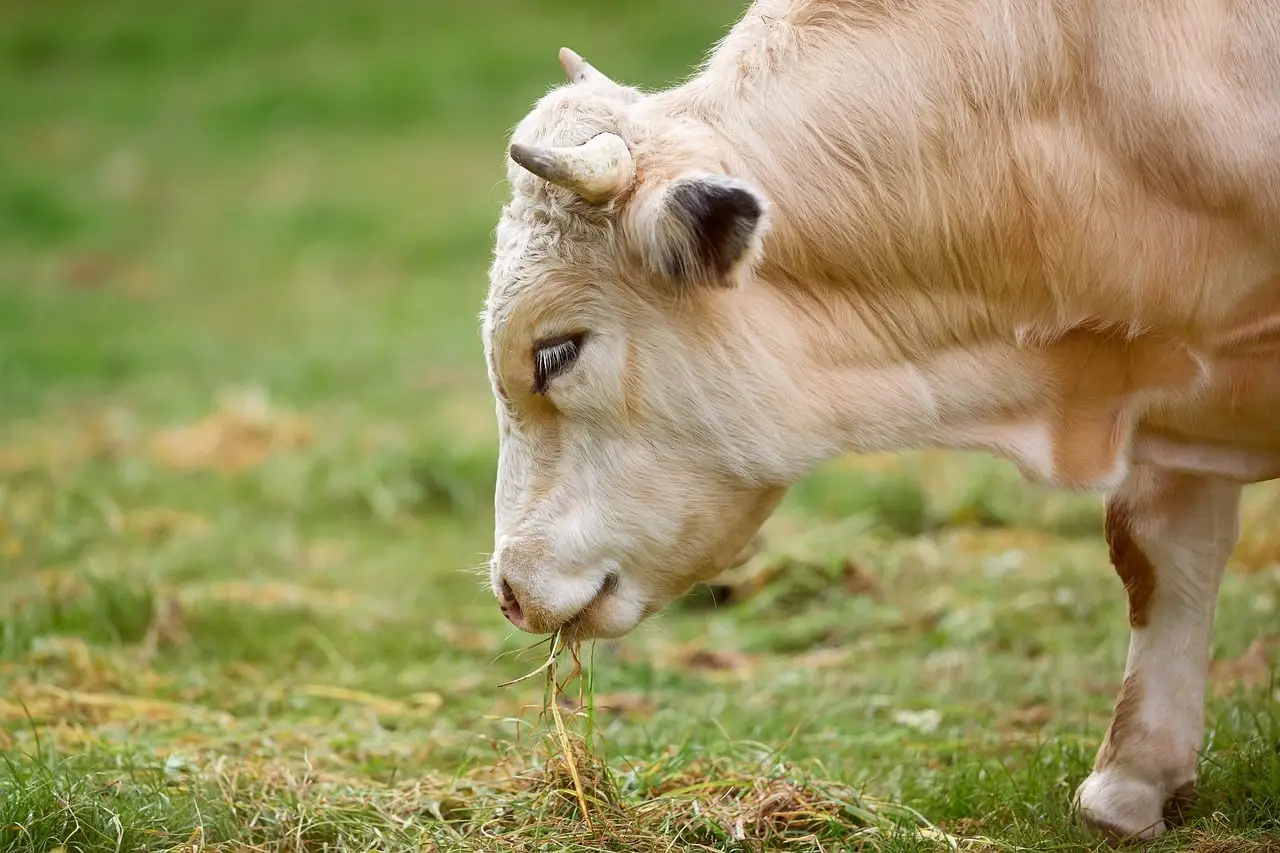
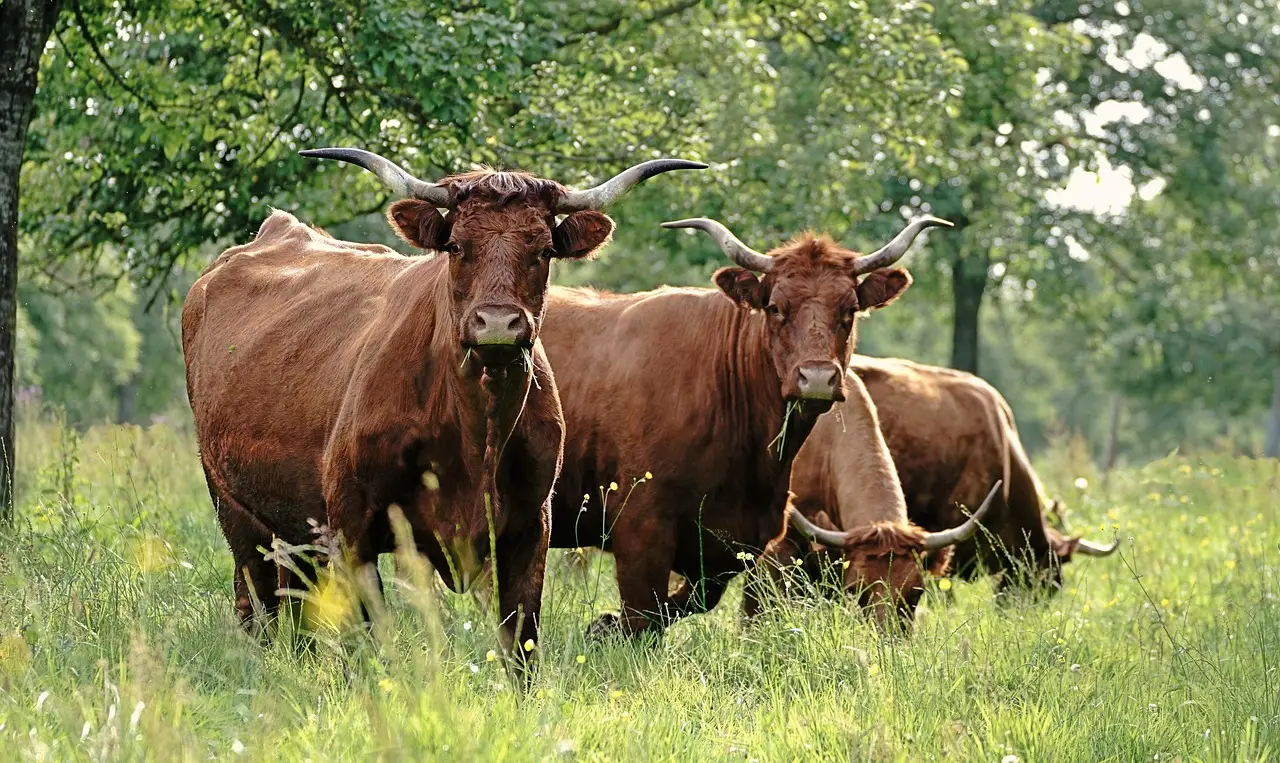
Photo: ykaiavu / pixabay
Tyson Foods closed its fourth quarter of fiscal 2026 with net sales of $14.59 billion, up 5.2% year over year and well above the roughly $14.17 billion analysts expected. The strong top line carried a warning for the livestock sector. U.S. cattle inventories have fallen to their lowest level in 75 years, and that shortage is now reshaping beef processing economics, feedlot demand and, by extension, the veterinary workload tied to cattle operations.
The quarter's numbers split sharply by protein. Chicken delivered. Beef did not.
- Adjusted EPS: $0.61, beating consensus estimates of $0.53 to $0.58.
- GAAP EPS: a loss of $0.22 per share, versus a profit of $0.13 in the prior-year quarter.
- Beef segment: an operating loss of $514 million, nearly double the $277 million loss recorded a year earlier.
- Chicken volumes: up 9.9%, with an operating margin of 8.4%.
- Beef volumes: down 6%.
What is driving the beef losses?
The company attributed the Beef segment's deteriorating results to limited cattle supplies, a condition rooted in prolonged drought that has pushed U.S. cattle inventories to a 75-year low. Fewer animals means fewer head moving through harvest channels. Sales volumes fell 6% in the quarter, and Tyson confirmed it is restructuring its beef operations and adjusting production capacity to match the smaller supply base.
For practitioners, the signal is straightforward. Herd liquidation driven by drought and tight margins reduces the number of breeding animals in the system, which compresses reproductive work, herd-health consulting and processing-adjacent veterinary services in beef country.
What changes for the chicken and pork side?
Chicken is running the other direction. Volumes rose 9.9% with an 8.4% operating margin, which supports continued demand for poultry health services, vaccination programs and biosecurity auditing as integrators push throughput higher. Tyson flagged weaker prospects ahead for chicken and pork, however, so the strength may not carry evenly into the new fiscal year.
The takeaway: poultry-side veterinary demand looks steady to growing, while beef-side demand faces structural contraction tied to herd size, not to any single quarter's results.
How steep is the fiscal 2027 outlook?
Tyson guided fiscal 2027 revenue down between 3.5% and 5.5%. That is a materially steeper decline than the roughly 1% drop analysts had forecast, and the company expects lower beef sales volumes to lead the retreat, with softer chicken and pork prospects adding to it.
The GAAP loss of $0.22 per share, against a $0.13 profit a year earlier, shows the cost of that pressure even in a quarter when total revenue grew 5.2%. Restructuring and capacity adjustments in beef carry their own charges, and the company's own guidance indicates management sees the cattle cycle tightening before it loosens.
Why this matters beyond the processor?
This is a food-animal and market story, not a companion-animal one. When the largest U.S. meat processor reports a doubling of beef segment losses and cites a 75-year inventory low, the effects travel upstream to cow-calf operators, feedlots and the veterinarians who serve them. Reduced processing capacity in beef, announced as part of the restructuring, typically means fewer animals handled in affected regions and adjusted scheduling for herd work tied to those facilities.
At the same time, expanded chicken volumes point to continued intensity in poultry production, with all the health-management obligations that scale brings. Practitioners serving both species are watching two markets move in opposite directions.
What comes next?
Tyson's fiscal 2027 guidance implies at least two more quarters of contraction before any stabilization, and recovery in beef depends on herd rebuilding that drought conditions have so far prevented. The numbers to watch are cattle inventory reports and any further capacity adjustments Tyson announces as it restructures beef.
Source: grafa.com
Elena Vasquez
Show full bio
Market editor covering money, funding and market shifts around Small- and large-animal clinical practice at The Vet Scope.