Minnesota Opens $25,000 in Wolf-Livestock Prevention Grants; Applications Due Dec. 18
Minnesota's agriculture department will award $25,000 in federally funded grants for wolf-livestock prevention, covering guard animals, fencing and shelters, with applications due Dec. 18.
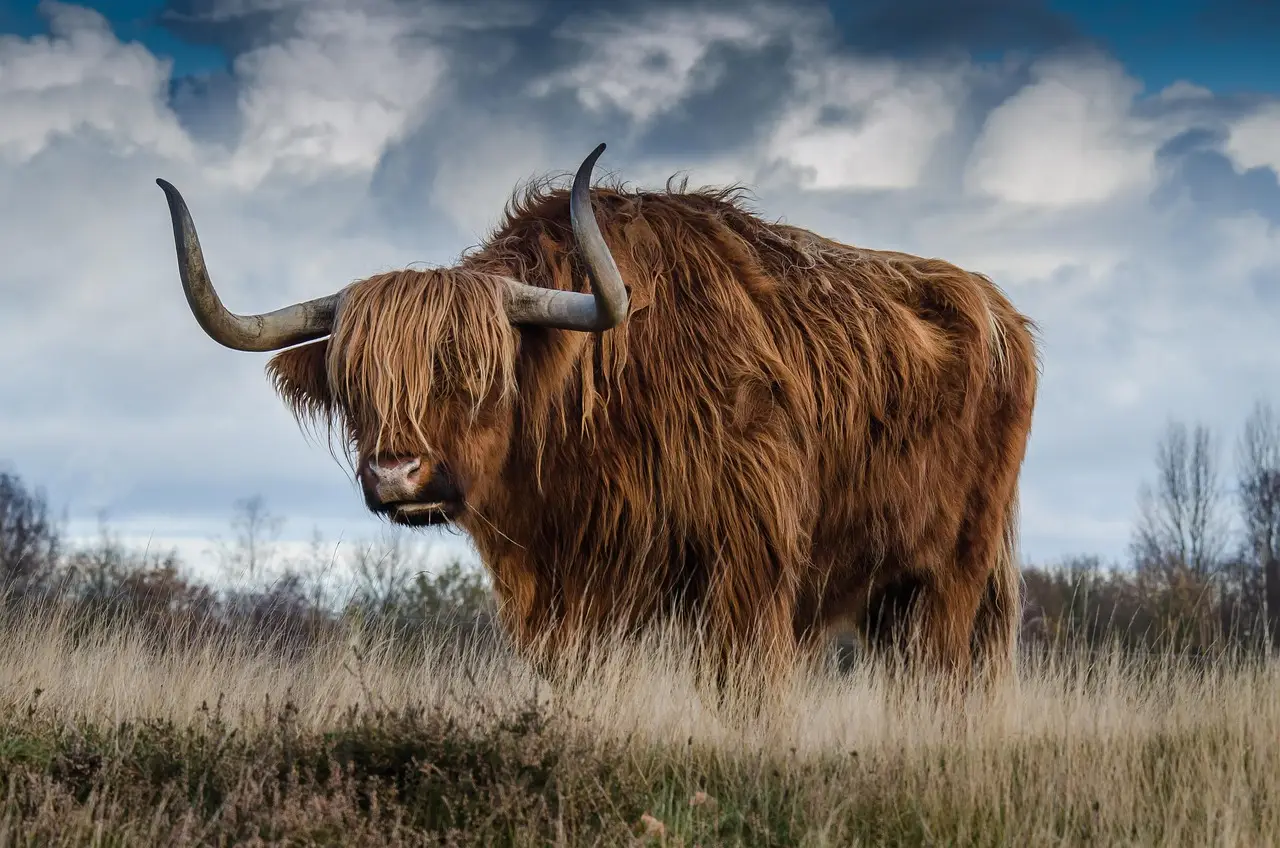
Photo: Peggy_Marco / pixabay
Minnesota livestock producers can now apply for a share of $25,000 in state-administered grants to prevent wolf attacks, with applications due by 4 p.m. on December 18. The Minnesota Department of Agriculture (MDA) will award the funds through its Wolf-Livestock Conflict Prevention Grants program, using money provided by the U.S. Fish and Wildlife Service.
MDA Commissioner Thom Petersen said the program addresses a direct threat to farms. "Livestock depredation by wolves is a serious threat to farms in Minnesota," Petersen said. "Receiving this funding from the U.S. Fish and Wildlife Services and being able to administer it to farmers experiencing this hardship is a crucial step to help curb this conflict."
What can producers claim?
The grants reimburse producers for approved practices that prevent wolf-livestock conflicts before they happen. Eligible expenses include:
- Purchase of guard animals
- Veterinary costs for guard animals
- Wolf barriers, which may include pens
- Fladry and fencing
- Wolf-deterring lights and alarms
- Calving or lambing shelters
The list points producers toward non-lethal tools, and veterinarians working with ranch clients may see guard-animal veterinary care as a reimbursable service under the program.
Who qualifies, and on what terms?
Eligible producers must live within Minnesota's wolf range, as designated by the Minnesota Department of Natural Resources, or on property the Commissioner of Agriculture has determined to be affected by wolf-livestock conflicts. Any animal species raised for profit and documented to have been killed by wolves in Minnesota in the past qualifies for coverage.
The funding carries an 80:20 matching cost-share. The grant reimburses 80 percent of eligible project costs, and the grantee pays the remaining 20 percent.
The timeline is firm. Applications must arrive by 4 p.m. on December 18, and all grant-funded work must be completed with expenses reported by October 31, 2027. The application form and full program details are posted on the MDA's Wolf-Livestock Conflict Prevention Grant webpage.
Is compensation also available for animals already lost?
Yes, and on a larger scale. Beyond the prevention grants, the MDA operates a Wolf Depredation Compensation Fund that pays farmers for livestock already lost to wolves.
In 2026, the U.S. Fish and Wildlife Service gave the MDA an additional $55,000 to compensate farmers for previously lost livestock. That federal money expanded the number of farmers the fund could reach and supplemented the state investment in livestock compensation allocated by the Walz-Flanagan Administration. Details on the Wolf Depredation Compensation Fund appear on the MDA website.
Taken together, the two programs put $80,000 in federal money behind Minnesota's effort to reduce wolf-livestock conflict — $55,000 to repay losses already suffered and $25,000 to prevent the next ones.
What changes at the farm gate?
For producers inside the wolf range, the prevention grant lowers the out-of-pocket cost of infrastructure such as fencing, fladry, lights and calving shelters to one-fifth of project cost, provided they meet the December 18 deadline and document prior wolf kills of the species they raise.
The October 31, 2027 completion requirement means funded projects must move from application to finished work within roughly two years, a window producers should weigh when planning capital improvements.
Producers who apply successfully this cycle could have new guard animals, barriers and deterrent systems in place ahead of future calving and lambing seasons.
Source: morningagclips.com
Daniel Okafor
Show full bio
News editor covering technology and product news in Small- and large-animal clinical practice at The Vet Scope.
Related articles
Canine distemper cuts Wyoming wolf hunt quotas to 20 for 2026
Virginia Grants $890,000 to 7 Large Animal Veterinarians
WSU Lands Federal Grant Worth Up to $40 Million for Livestock Work
Michigan directs state grants to expand rural veterinary training
Iowa Livestock Health Advisory Council Awards Research Grants